Naturalis Biodiversity Center, P.O. Box 9514, 2300 RA Leiden, The Netherlands.
Evid Based Complement Alternat Med. 2013;2013:687197. doi: 10.1155/2013/687197. Epub 2013 Apr 7.
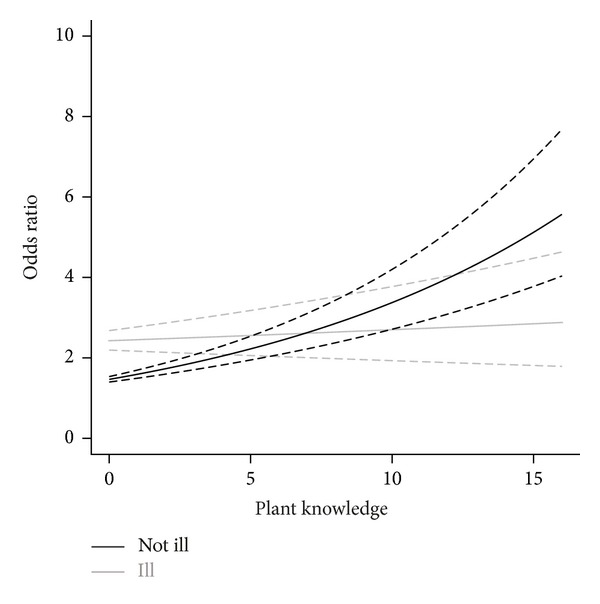
The use of traditional medicines (TMs) among urban populations in developing countries and factors underlying people's decision to use TMs are poorly documented. We interviewed 270 adults in Paramaribo, Suriname, using a stratified random household sample, semistructured questionnaires, and multivariate analysis. Respondents mentioned 144 medicinal plant species, most frequently Gossypium barbadense, Phyllanthus amarus, and Quassia amara. 66% had used TMs in the previous year, especially people who suffered from cold, fever, hypertension, headache, uterus, and urinary tract problems. At least 22% combined herbs with prescription medicine. The strongest explanatory variables were health status, (transfer of) plant knowledge, and health status combined with plant knowledge. Other predictive variables included religion, marital status, attitude of medical personnel, religious opinion on TMs, and number of children per household. Age, gender, nationality, rural background, education, employment, income, insurance, and opinion of government or doctors had no influence. People's main motivation to use TMs was their familiarity with herbs. Given the frequent use of self-collected, home-prepared herbal medicine and the fact that illness and traditional knowledge predict plant use rather than poverty or a limited access to modern health care, the potential risks and benefits of TMs should be put prominently on the national public health agenda.
在发展中国家的城市人口中,传统药物(TMs)的使用情况以及人们决定使用 TMs 的因素记录甚少。我们在苏里南帕拉马里博采用分层随机家庭抽样方法,使用半结构化问卷和多变量分析对 270 名成年人进行了访谈。受访者提到了 144 种药用植物,最常见的是棉花、叶下珠和苦木。66%的人在过去一年中使用过 TMs,尤其是患有感冒、发烧、高血压、头痛、子宫和尿路问题的人。至少有 22%的人将草药与处方药混合使用。最强的解释变量是健康状况、(植物知识的)转移以及健康状况与植物知识的结合。其他预测变量包括宗教、婚姻状况、医务人员的态度、对 TMs 的宗教观点以及每个家庭的孩子数量。年龄、性别、国籍、农村背景、教育、就业、收入、保险以及对政府或医生的看法没有影响。人们使用 TMs 的主要动机是他们对草药的熟悉。鉴于人们经常使用自行采集、自制的草药,并且疾病和传统知识预测植物的使用,而不是贫困或获得现代医疗保健的机会有限,因此 TMs 的潜在风险和益处应明确列入国家公共卫生议程。