Section on the Neurobiology of Learning and Memory, Laboratory of Neuropsychology, National Institute of Mental Health, US National Institutes of Health, Bethesda, Maryland, USA.
Nat Neurosci. 2013 Aug;16(8):1140-5. doi: 10.1038/nn.3440. Epub 2013 Jun 23.
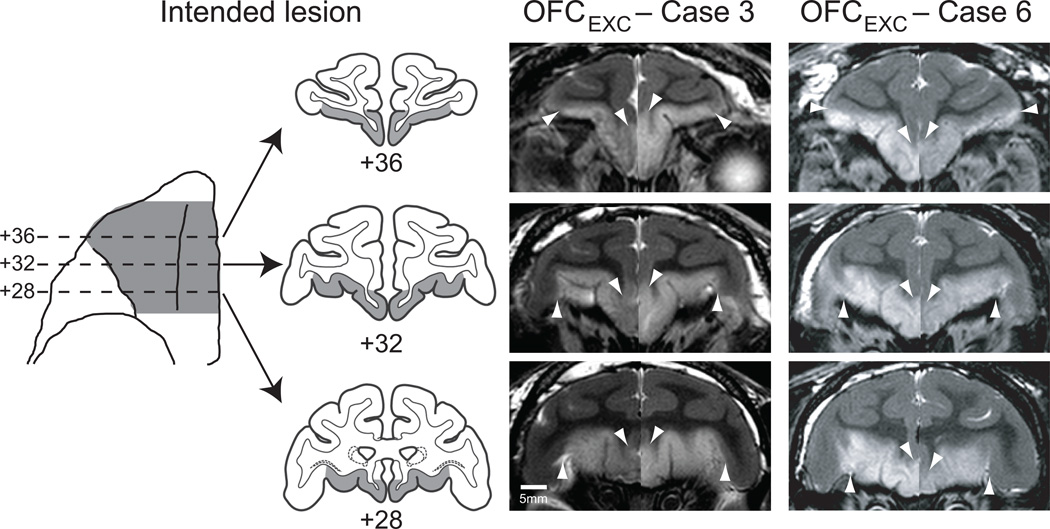
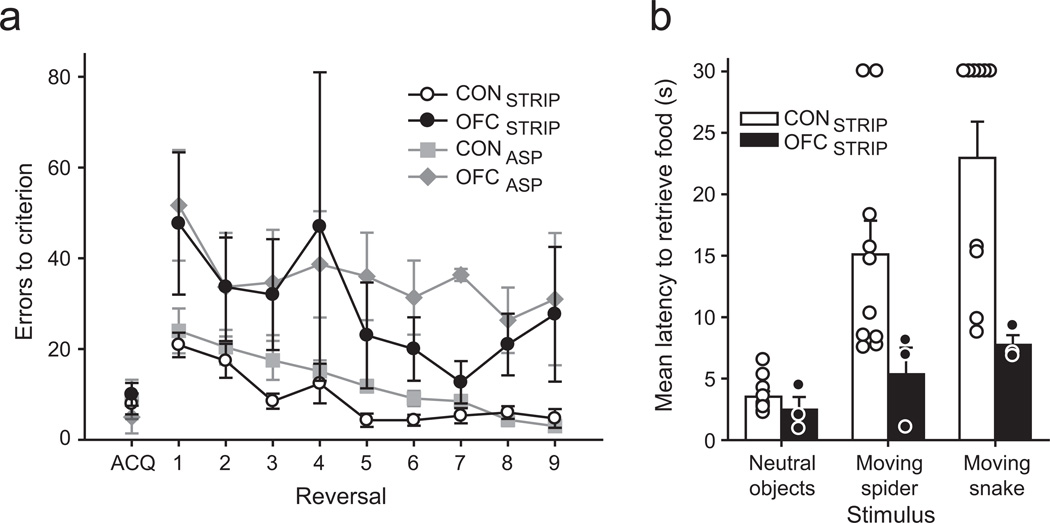
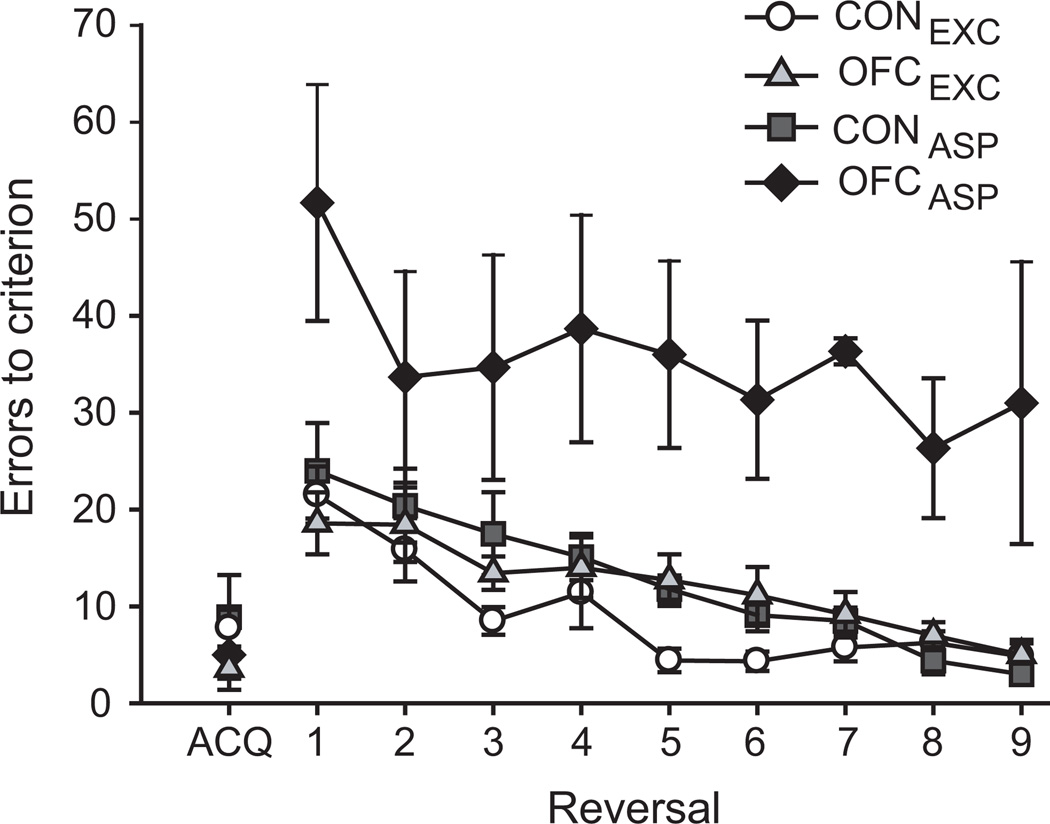
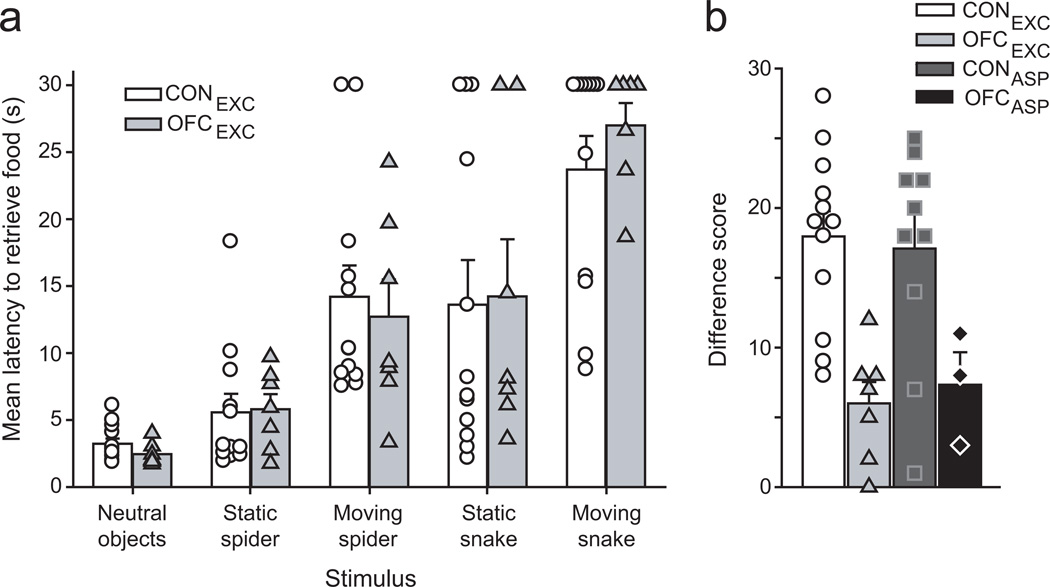
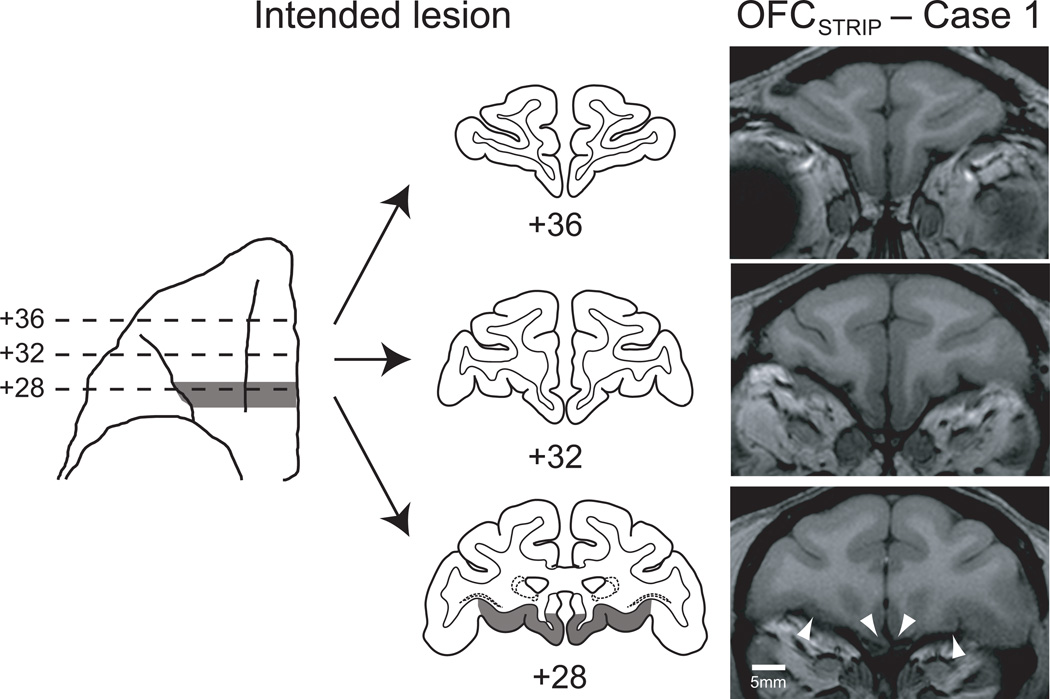
Two ideas have dominated neuropsychology concerning the orbitofrontal cortex (OFC). One holds that OFC regulates emotion and enhances behavioral flexibility through inhibitory control. The other ascribes to OFC a role in updating valuations on the basis of current motivational states. Neuroimaging, neurophysiological and clinical observations are consistent with either or both hypotheses. Although these hypotheses are compatible in principle, we present results supporting the latter view of OFC function and arguing against the former. We found that excitotoxic, fiber-sparing lesions confined to OFC in monkeys did not alter either behavioral flexibility, as measured by object reversal learning, or emotion regulation, as assessed by fear of snakes. A follow-up experiment indicated that a previously reported loss of inhibitory control resulted from damage to nearby fiber tracts and not from OFC dysfunction. Thus, OFC has a more specialized role in reward-guided behavior and emotion than has been thought, a function that includes value updating.
关于眶额皮层(OFC),神经心理学有两个主导观点。一种观点认为,OFC 通过抑制控制来调节情绪并增强行为灵活性。另一种观点则将 OFC 的作用归因于根据当前动机状态更新估值。神经影像学、神经生理学和临床观察结果与这两种假设中的任一种或两种都一致。尽管这些假设在原则上是兼容的,但我们提出的结果支持 OFC 功能的后一种观点,并反对前一种观点。我们发现,在猴子中,仅针对 OFC 的兴奋性、纤维保留性损伤既不会改变行为灵活性,如通过物体反转学习来测量,也不会改变情绪调节,如通过对蛇的恐惧来评估。后续实验表明,之前报道的抑制控制丧失是由于附近纤维束的损伤而不是 OFC 功能障碍造成的。因此,OFC 在奖励导向行为和情绪方面的作用比以前认为的更为专业化,其功能包括价值更新。