Irving Institute for Clinical and Translational Research, Columbia University Medical Center, 622 West 168th Street, New York, NY 10032, USA.
Cardiovasc Diabetol. 2013;12 Suppl 1(Suppl 1):S1. doi: 10.1186/1475-2840-12-S1-S1. Epub 2013 May 30.
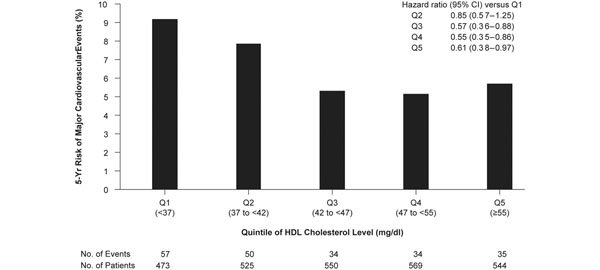
The term cardiometabolic disease encompasses a range of lifestyle-related conditions, including Metabolic syndrome (MetS) and type 2 diabetes (T2D), that are characterized by different combinations of cardiovascular (CV) risk factors, including dyslipidemia, abdominal obesity, hypertension, hyperglycemia/insulin resistance, and vascular inflammation. These risk factors individually and interdependently increase the risk of CV and cerebrovascular events, and represent one of the biggest health challenges worldwide today. CV diseases account for almost 50% of all deaths in Europe and around 30% of all deaths worldwide. Furthermore, the risk of CV death is increased twofold to fourfold in people with T2D. Whilst the clinical management of CV disease has improved in Western Europe, the pandemic of obesity and T2D reduces the impact of these gains. This, together with the growing, aging population, means the number of CV deaths is predicted to increase from 17.1 million worldwide in 2004 to 23.6 million in 2030. The recommended treatment for MetS is lifestyle change followed by treatment for the individual risk factors. Numerous studies have shown that lowering low-density lipoprotein-cholesterol (LDL-C) levels using statins can significantly reduce CV risk in people with and without T2D or MetS. However, the risk of major vascular events in those attaining the maximum levels of LDL-C-reduction is only reduced by around one-third, which leaves substantial residual risk. Recent studies suggest that low high-density lipoprotein-cholesterol (HDL-C) (<1 .0 mmol/l; 40 mg/dl) and high triglyceride levels (≥1.7 mmol/l; 150 mg/dl) are independent risk factors for CV disease and that the relationship between HDL-C and CV risk persists even when on-treatment LDL-C levels are low (<1.7 mmol/l; 70 mg/dl). European guidelines highlight the importance of reducing residual risk by targeting these risk factors in addition to LDL-C. This is particularly important in patients with T2D and MetS because obesity and high levels of glycated hemoglobin are directly related to low levels of HDL-C and high triglyceride. Although most statins have a similar low-density lipoprotein-lowering efficacy, differences in chemical structure and pharmacokinetic profile can lead to variations in pleiotropic effects (for example, high-density lipoprotein-elevating efficacy), adverse event profiles, and drug-drug interactions. The choice of statin should therefore depend on the needs of the individual patient. The following reviews will discuss the potential benefits of pitavastatin versus other statins in the treatment of patients with dyslipidemia and MetS or T2D, focusing on its effects on HDL-C quantity and quality, its potential impact on atherosclerosis and CV risk, and its metabolic characteristics that reduce the risk of drug interactions. Recent controversies surrounding the potentially diabetogenic effects of statins will also be discussed.

心血管代谢疾病涵盖了一系列与生活方式相关的病症,包括代谢综合征(MetS)和 2 型糖尿病(T2D),其特征是心血管(CV)风险因素的不同组合,包括血脂异常、腹部肥胖、高血压、高血糖/胰岛素抵抗和血管炎症。这些风险因素单独和相互依存地增加了 CV 和脑血管事件的风险,是当今全球最大的健康挑战之一。CV 疾病约占欧洲所有死亡人数的 50%,占全球所有死亡人数的 30%左右。此外,T2D 患者的 CV 死亡风险增加了两倍至四倍。虽然西欧 CV 疾病的临床管理有所改善,但肥胖和 T2D 的流行降低了这些改善的影响。再加上不断增长的老龄化人口,预计全球 CV 死亡人数将从 2004 年的 1710 万增加到 2030 年的 2360 万。MetS 的推荐治疗方法是改变生活方式,然后针对个体风险因素进行治疗。许多研究表明,使用他汀类药物降低低密度脂蛋白胆固醇(LDL-C)水平可以显著降低有或没有 T2D 或 MetS 的人的 CV 风险。然而,在达到 LDL-C 降低最大水平的人群中,主要血管事件的风险仅降低约三分之一,这留下了大量的剩余风险。最近的研究表明,低高密度脂蛋白胆固醇(HDL-C)(<1.0 mmol/L;40 mg/dL)和高甘油三酯水平(≥1.7 mmol/L;150 mg/dL)是 CV 疾病的独立风险因素,并且 HDL-C 与 CV 风险之间的关系即使在 LDL-C 水平较低(<1.7 mmol/L;70 mg/dL)时也仍然存在。欧洲指南强调了通过除 LDL-C 以外的方法靶向这些风险因素来降低剩余风险的重要性。对于患有 T2D 和 MetS 的患者尤其如此,因为肥胖和糖化血红蛋白水平高与 HDL-C 水平低和甘油三酯水平高直接相关。尽管大多数他汀类药物具有相似的 LDL 降低效果,但化学结构和药代动力学特征的差异可能导致多效性(例如,升高高密度脂蛋白)的效果、不良事件谱和药物相互作用的变化。因此,他汀类药物的选择应取决于个体患者的需求。以下综述将讨论匹伐他汀与其他他汀类药物在治疗血脂异常和 MetS 或 T2D 患者中的潜在益处,重点讨论其对 HDL-C 数量和质量的影响、对动脉粥样硬化和 CV 风险的潜在影响以及降低药物相互作用风险的代谢特征。还将讨论围绕他汀类药物潜在致糖尿病作用的最新争议。