Department of Psychiatry and Behavioral Sciences, Stanford University School of Medicine, Stanford, California, United States of America.
PLoS One. 2013 Jun 28;8(6):e67354. doi: 10.1371/journal.pone.0067354. Print 2013.
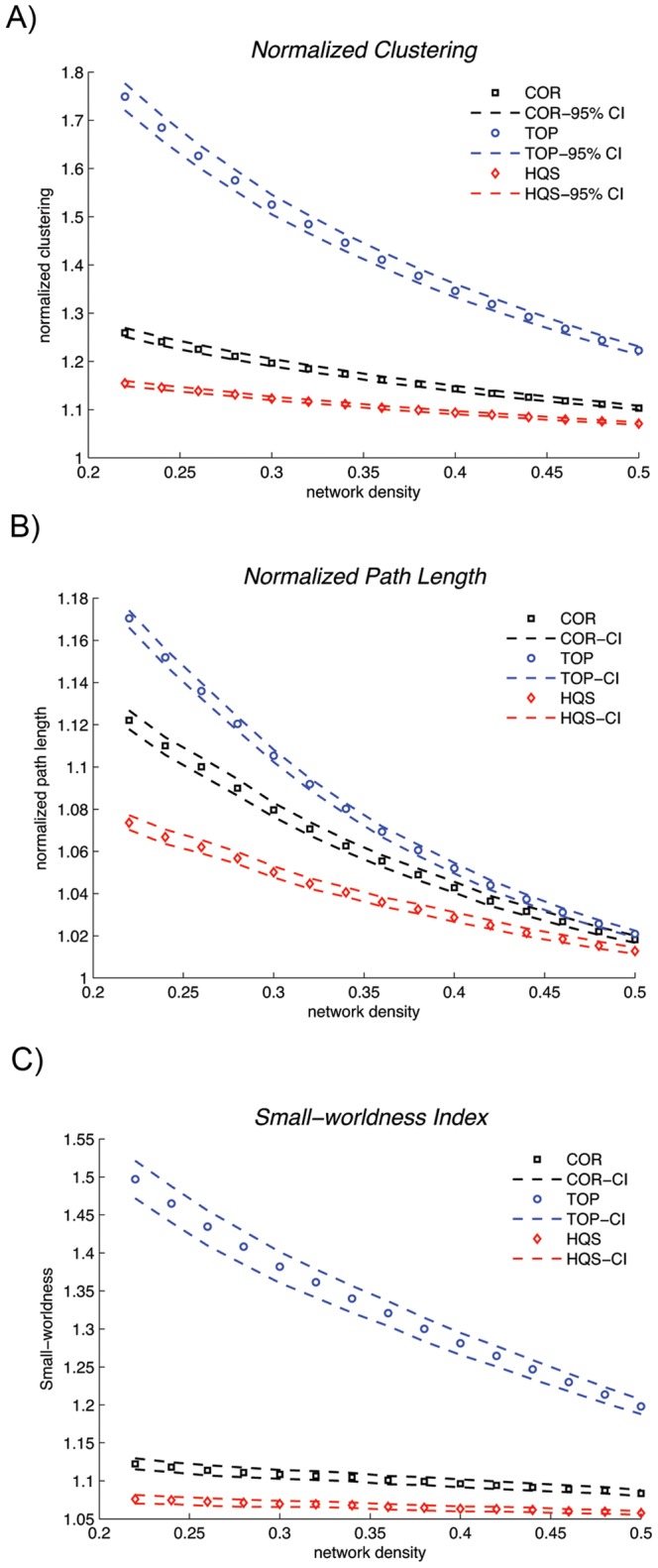
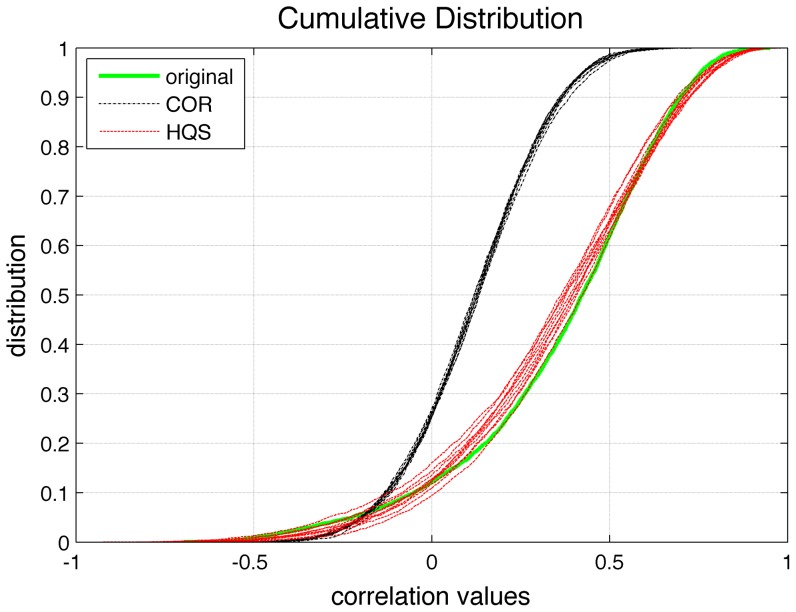
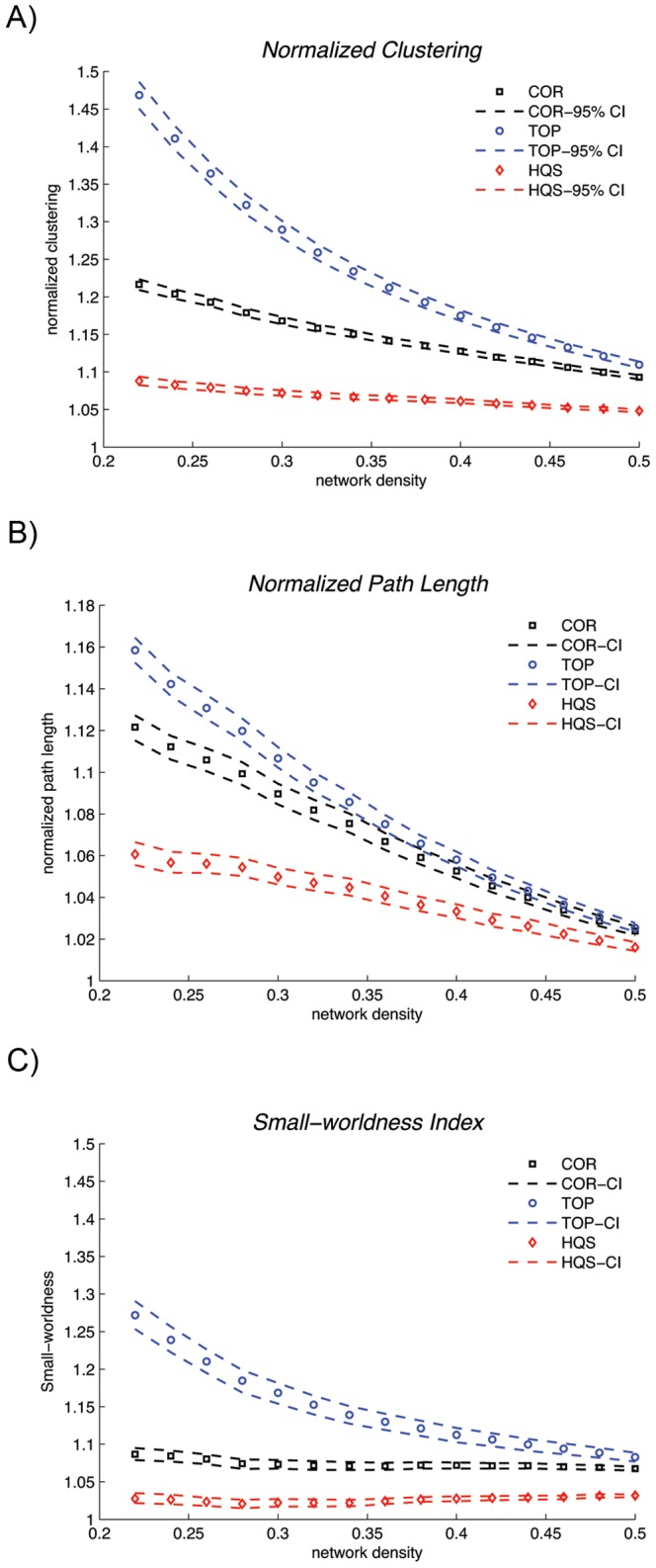
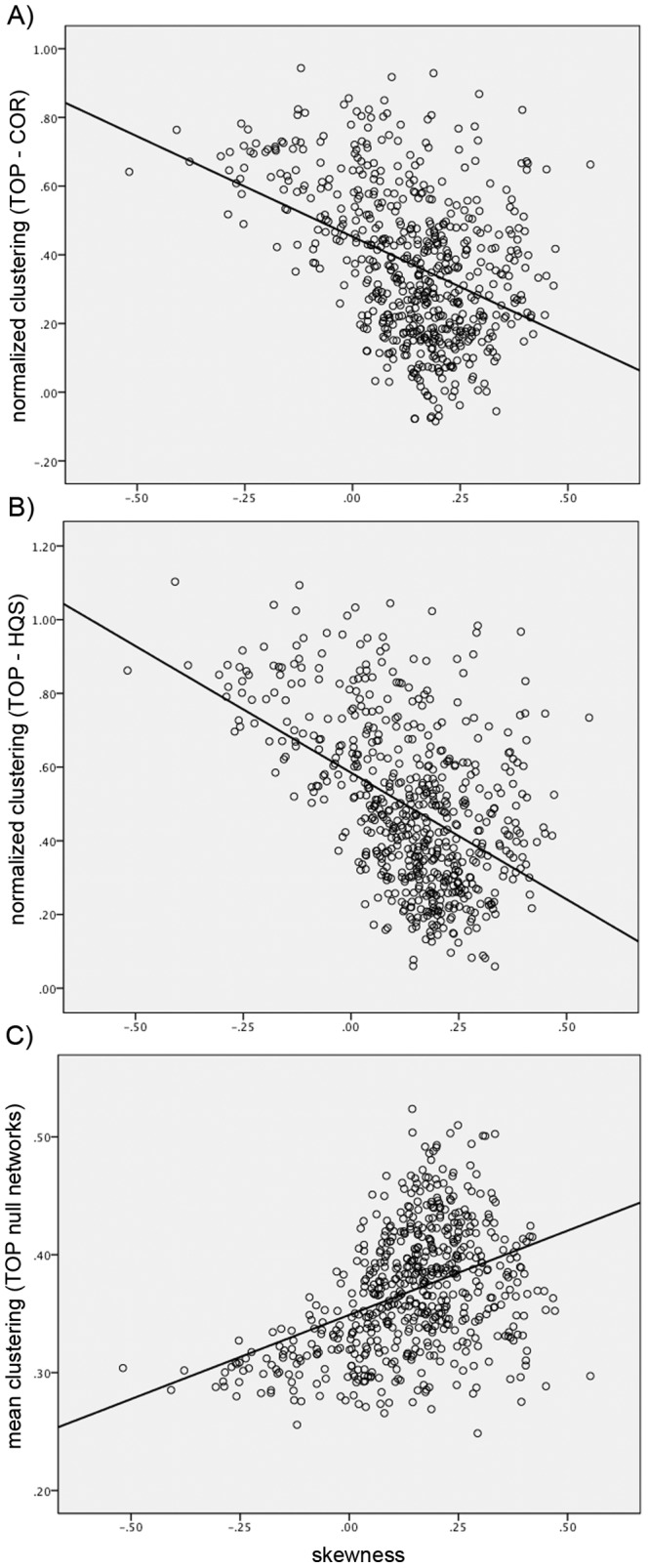
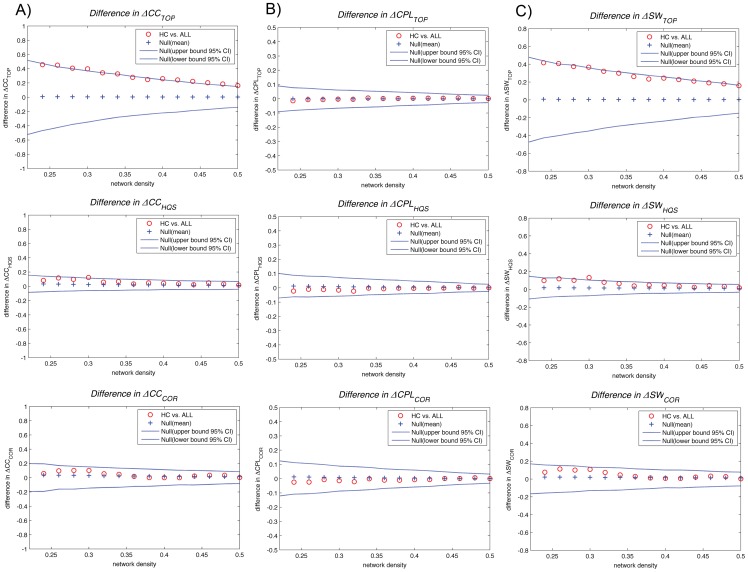
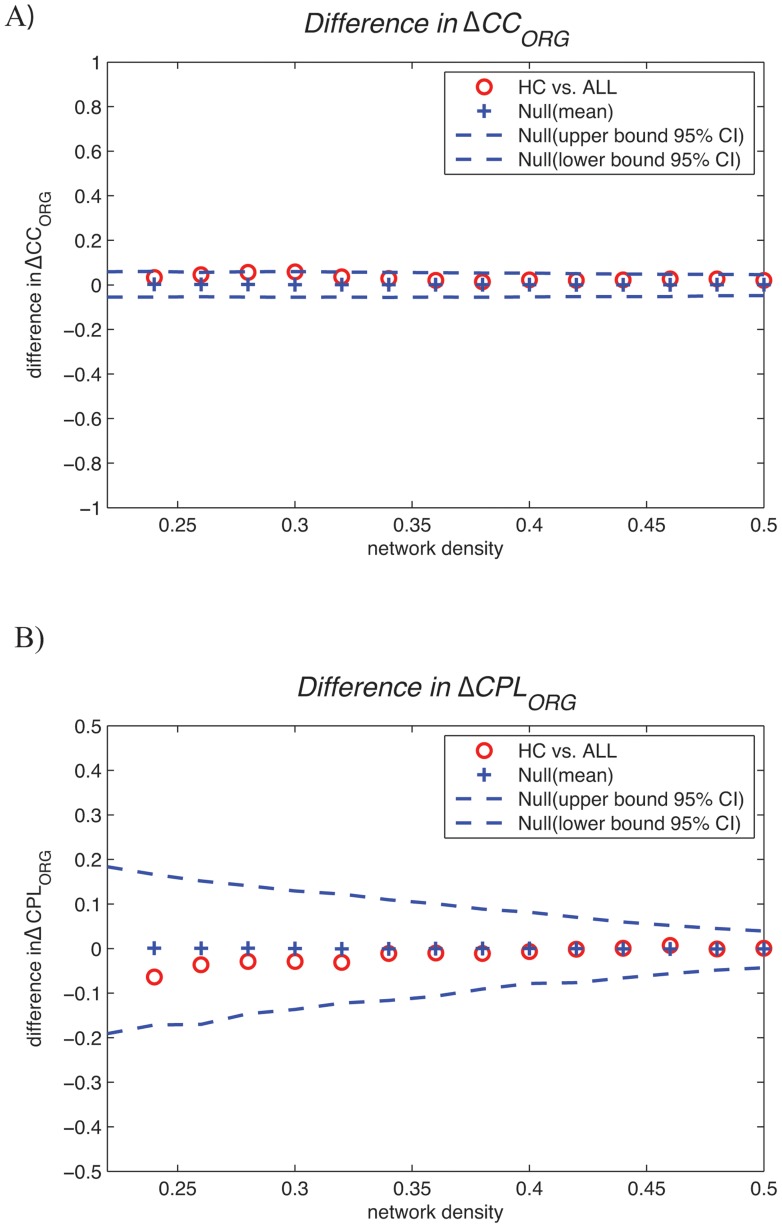
In recent years, coordinated variations in brain morphology (e.g., volume, thickness) have been employed as a measure of structural association between brain regions to infer large-scale structural correlation networks. Recent evidence suggests that brain networks constructed in this manner are inherently more clustered than random networks of the same size and degree. Thus, null networks constructed by randomizing topology are not a good choice for benchmarking small-world parameters of these networks. In the present report, we investigated the influence of choice of null networks on small-world parameters of gray matter correlation networks in healthy individuals and survivors of acute lymphoblastic leukemia. Three types of null networks were studied: 1) networks constructed by topology randomization (TOP), 2) networks matched to the distributional properties of the observed covariance matrix (HQS), and 3) networks generated from correlation of randomized input data (COR). The results revealed that the choice of null network not only influences the estimated small-world parameters, it also influences the results of between-group differences in small-world parameters. In addition, at higher network densities, the choice of null network influences the direction of group differences in network measures. Our data suggest that the choice of null network is quite crucial for interpretation of group differences in small-world parameters of structural correlation networks. We argue that none of the available null models is perfect for estimation of small-world parameters for correlation networks and the relative strengths and weaknesses of the selected model should be carefully considered with respect to obtained network measures.
近年来,协调的脑形态变化(例如,体积、厚度)已被用作脑区之间结构关联的测量指标,以推断大规模的结构相关网络。最近的证据表明,以这种方式构建的脑网络比具有相同大小和度数的随机网络更具聚类性。因此,通过随机拓扑构建的无效网络不是用于基准测试这些网络的小世界参数的好选择。在本报告中,我们研究了选择无效网络对健康个体和急性淋巴细胞白血病幸存者的灰质相关网络的小世界参数的影响。研究了三种类型的无效网络:1)通过拓扑随机化构建的网络(TOP),2)与观察到的协方差矩阵分布特性匹配的网络(HQS),3)来自随机输入数据相关的网络(COR)。结果表明,无效网络的选择不仅会影响估计的小世界参数,还会影响小世界参数的组间差异的结果。此外,在更高的网络密度下,无效网络的选择会影响网络指标的组间差异的方向。我们的数据表明,无效网络的选择对于解释结构相关网络的小世界参数的组间差异非常重要。我们认为,对于关联网络的小世界参数的估计,没有一种可用的无效模型是完美的,应该根据获得的网络指标仔细考虑所选模型的相对优势和劣势。