Department of Bioinformatics, Centre for Molecular Life Sciences, Radboud University Medical Centre, 6525GA Nijmegen, The Netherlands.
Nat Commun. 2013;4:2124. doi: 10.1038/ncomms3124.
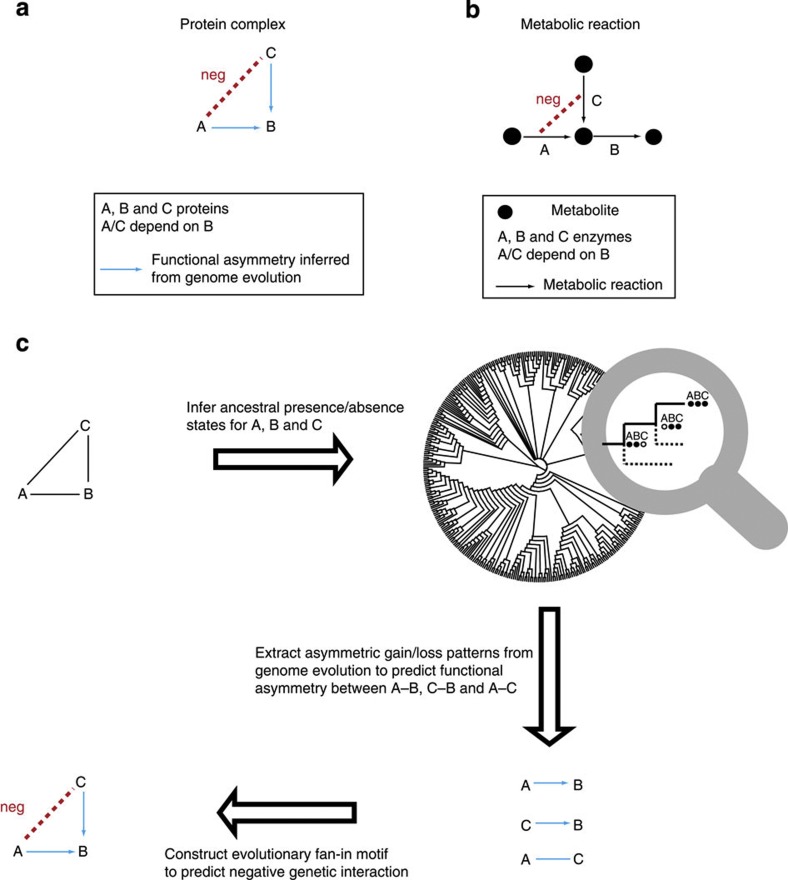
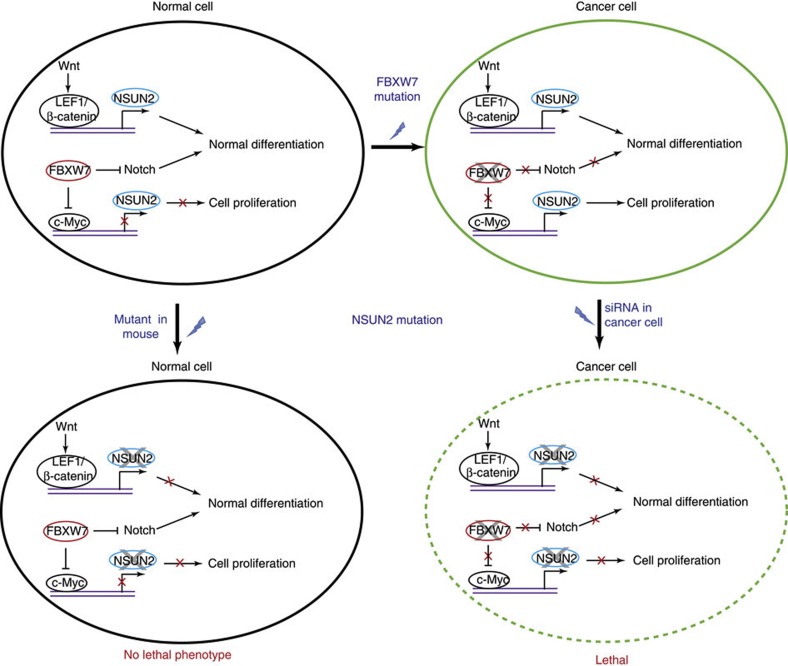
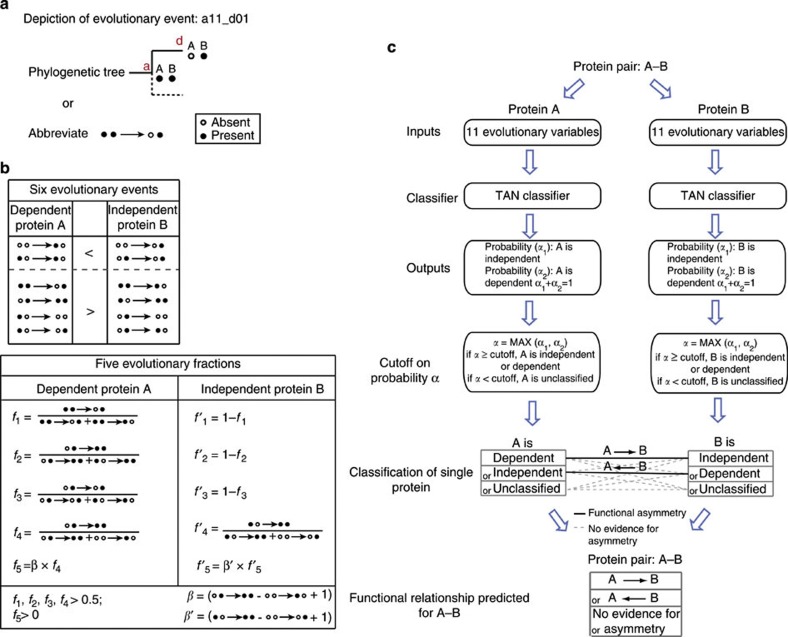
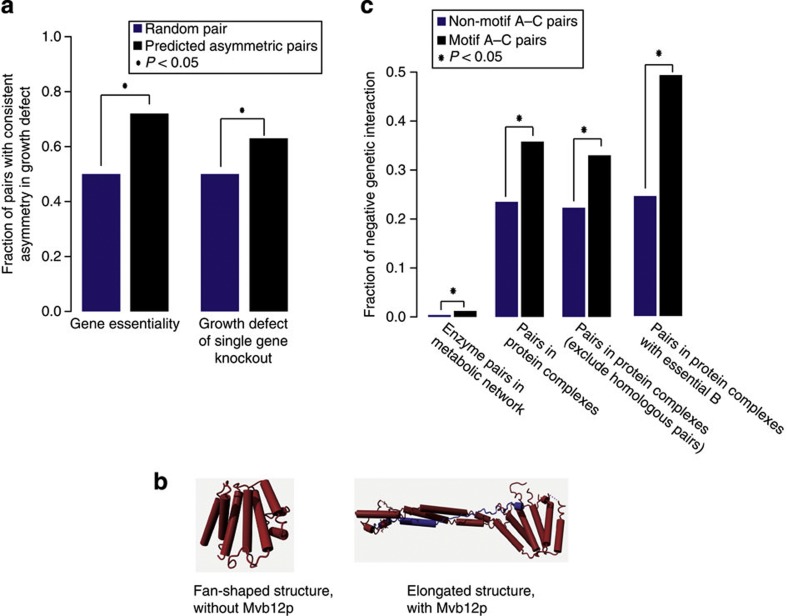
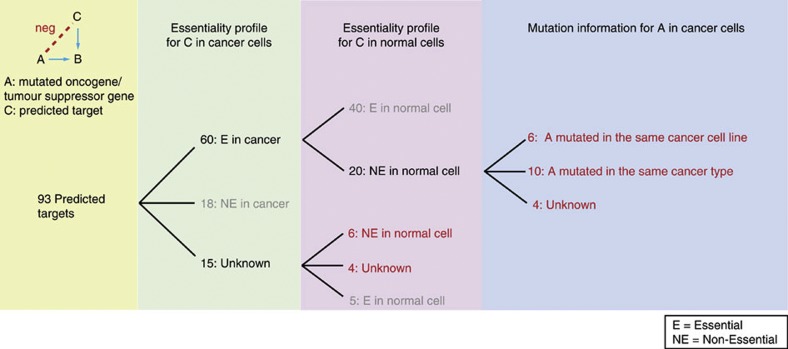
Genetic interactions reveal insights into cellular function and can be used to identify drug targets. Here we construct a new model to predict negative genetic interactions in protein complexes by exploiting the evolutionary history of genes in parallel converging pathways in metabolism. We evaluate our model with protein complexes of Saccharomyces cerevisiae and show that the predicted protein pairs more frequently have a negative genetic interaction than random proteins from the same complex. Furthermore, we apply our model to human protein complexes to predict novel cancer drug targets, and identify 20 candidate targets with empirical support and 10 novel targets amenable to further experimental validation. Our study illustrates that negative genetic interactions can be predicted by systematically exploring genome evolution, and that this is useful to identify novel anti-cancer drug targets.
遗传相互作用揭示了细胞功能的见解,并可用于确定药物靶点。在这里,我们构建了一个新的模型,通过利用代谢平行收敛途径中基因的进化历史,来预测蛋白质复合物中的负遗传相互作用。我们使用酿酒酵母的蛋白质复合物来评估我们的模型,并表明与来自同一复合物的随机蛋白质相比,预测的蛋白质对更频繁地具有负遗传相互作用。此外,我们将我们的模型应用于人类蛋白质复合物,以预测新的癌症药物靶点,并确定了 20 个具有经验支持的候选靶点和 10 个可进一步进行实验验证的新靶点。我们的研究表明,通过系统地探索基因组进化,可以预测负遗传相互作用,这对于识别新的抗癌药物靶点很有用。