Halabi Majdi, Faranesh Anthony Z, Schenke William H, Wright Victor J, Hansen Michael S, Saikus Christina E, Kocaturk Ozgur, Lederman Robert J, Ratnayaka Kanishka
J Cardiovasc Magn Reson. 2013 Jul 20;15(1):61. doi: 10.1186/1532-429X-15-61.
Needle access or drainage of pericardial effusion, especially when small, entails risk of bystander tissue injury or operator uncertainty about proposed trajectories. Cardiovascular magnetic resonance (CMR) might allow enhanced imaging guidance.
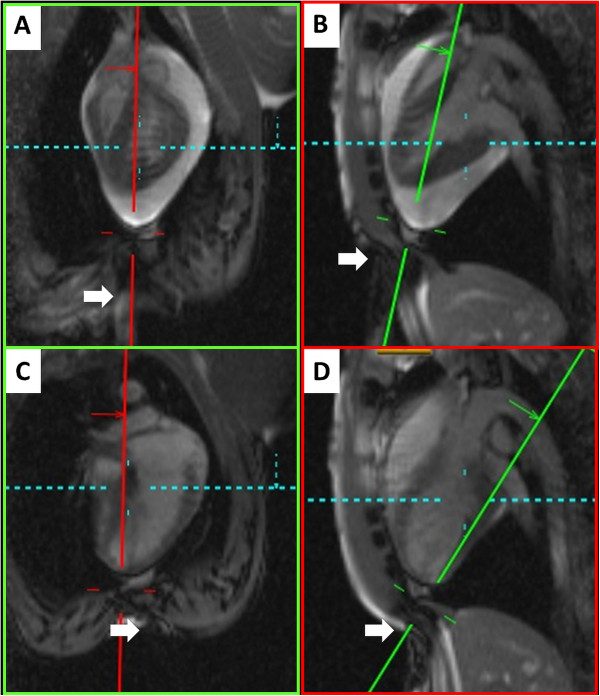
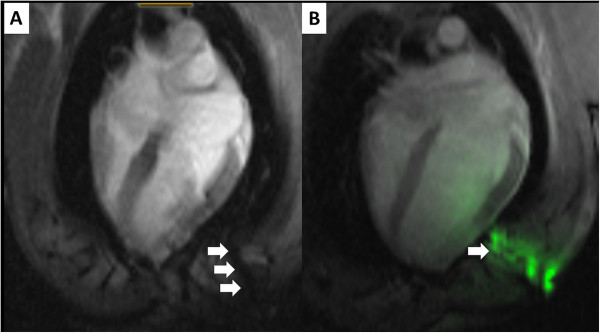
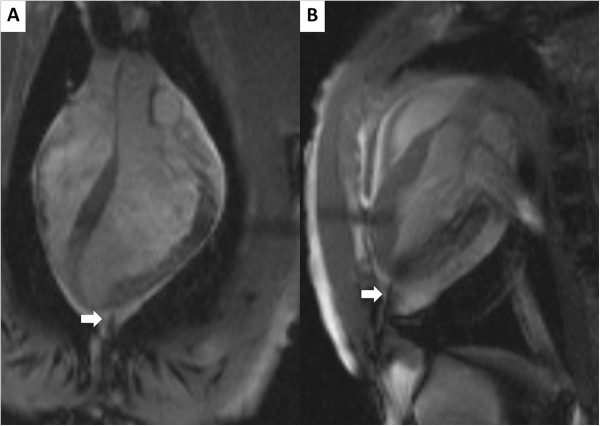
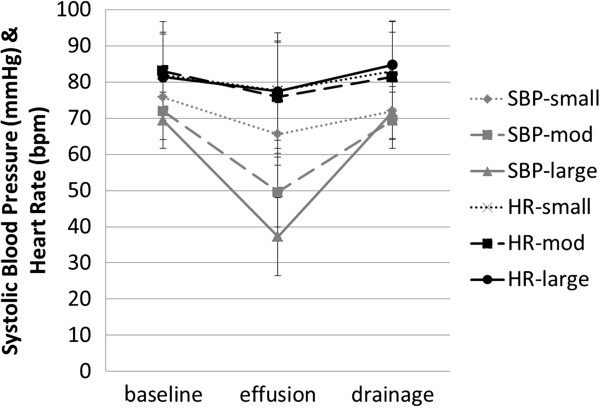
We used real-time CMR to guide subxiphoid pericardial access in naïve swine using commercial 18G titanium puncture needles, which were exchanged for pericardial catheters. To test the value of CMR needle pericardiocentesis, we also created intentional pericardial effusions of a range of volumes, via a separate transvenous-transatrial catheter. We performed these procedures in 12 animals.
CMR guided pericardiocentesis is attractive because the large field of view and soft tissue imaging depict global anatomic context in arbitrary planes, and allow the operator to plan trajectories that limit inadvertent bystander tissue injury. More important, CMR provides continuous visualization of the needle and target throughout the procedure. Using even passive needle devices, CMR enabled rapid pericardial needle access and drainage. We believe this experience supports clinical testing of real-time CMR guided needle access or drainage of the pericardial space. We suspect this would be especially helpful in "difficult" pericardial access, for example, in distorted thoracic anatomy or loculated effusion.
心包穿刺引流,尤其是针对少量心包积液时,存在误伤周围组织的风险,或者术者对穿刺路径难以确定。心血管磁共振成像(CMR)可能有助于增强成像引导。
我们使用实时CMR引导初治猪进行剑突下心包穿刺,采用商用18G钛穿刺针,随后更换为心包导管。为了测试CMR引导下的心包穿刺术的价值,我们还通过一根单独的经静脉-经心房导管,人为制造了不同量的心包积液。我们对12只动物进行了这些操作。
CMR引导的心包穿刺术具有吸引力,因为其大视野和软组织成像能够在任意平面描绘整体解剖结构,使术者能够规划穿刺路径,减少对周围组织的意外损伤。更重要的是,CMR在整个操作过程中能持续显示穿刺针和目标位置。即使使用被动式穿刺针装置,CMR也能实现快速的心包穿刺引流。我们认为这一经验支持对实时CMR引导的心包穿刺或心包腔引流进行临床测试。我们怀疑这在“困难”的心包穿刺中,例如在胸廓解剖结构变形或存在包裹性积液的情况下,会特别有帮助。