Biochemistry and Biophysics, Genentech Hall 600, 16th Street, University of California, San Francisco, San Francisco, CA 94158, USA.
Cell. 2013 Aug 1;154(3):490-503. doi: 10.1016/j.cell.2013.07.011.
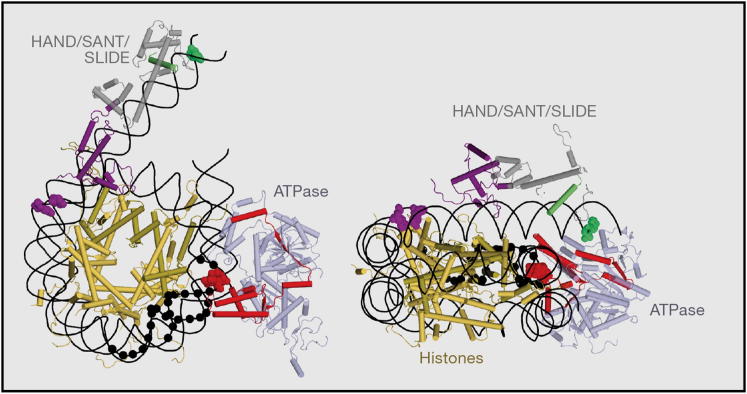
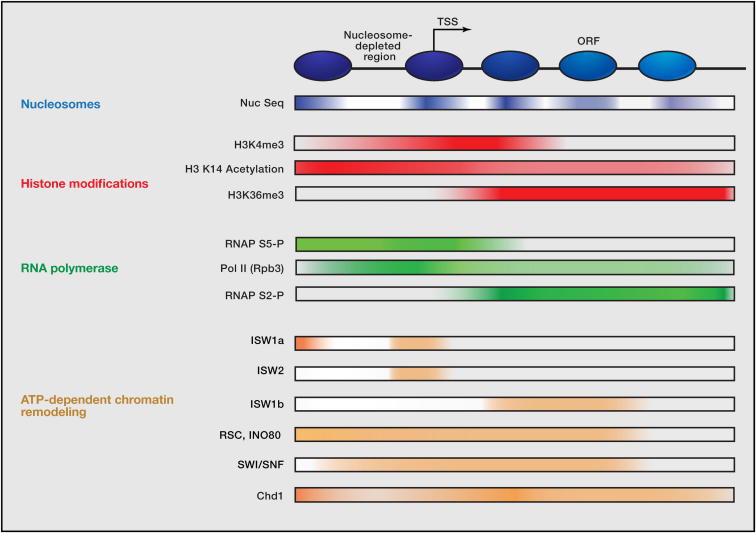
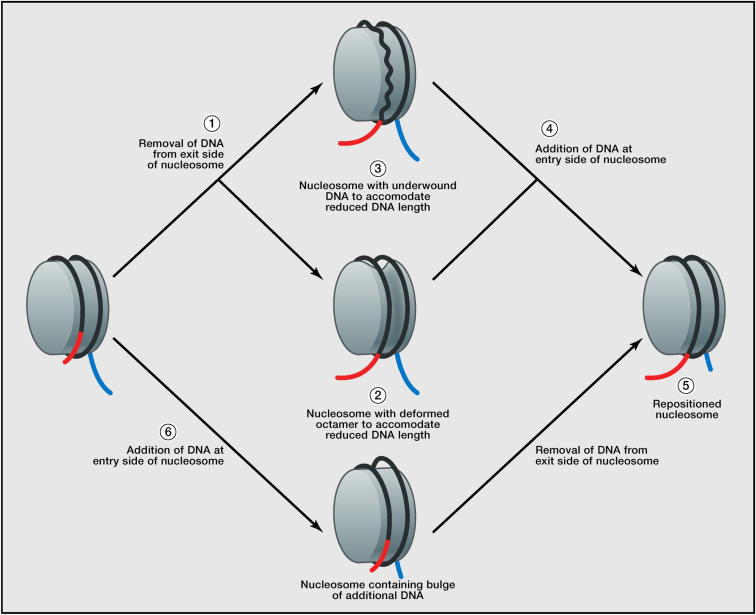
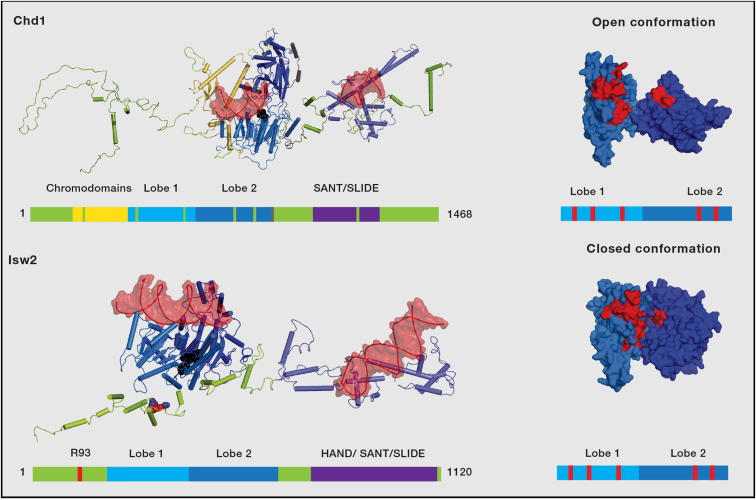
Chromatin provides both a means to accommodate a large amount of genetic material in a small space and a means to package the same genetic material in different chromatin states. Transitions between chromatin states are enabled by chromatin-remodeling ATPases, which catalyze a diverse range of structural transformations. Biochemical evidence over the last two decades suggests that chromatin-remodeling activities may have emerged by adaptation of ancient DNA translocases to respond to specific features of chromatin. Here, we discuss such evidence and also relate mechanistic insights to our understanding of how chromatin-remodeling enzymes enable different in vivo processes.
染色质既能在小空间容纳大量遗传物质,又能将同一遗传物质包装成不同的染色质状态。染色质重塑 ATP 酶使染色质状态之间的转变成为可能,它们催化多种结构转化。过去二十年的生化证据表明,染色质重塑活性可能是通过古老的 DNA 转位酶的适应性进化而来的,以响应染色质的特定特征。在这里,我们讨论了这些证据,并将机制上的见解与我们对染色质重塑酶如何使不同的体内过程成为可能的理解联系起来。