Tavalla M, Oormazdi H, Akhlaghi L, Shojaee S, Razmjou E, Hadighi R, Meamar Ar
Dept. of Medical Parasitology, Ahvaz Jundishapur University of Medical Sciences, Ahvaz, Iran ; Dept. of Parasitology and Mycology, School of Medicine, Tehran University of Medical Sciences, Tehran, Iran.
Iran J Parasitol. 2013 Apr;8(2):227-33.
The protozoan parasite Toxoplasma gondii can infect any warm blooded nucleated cells. One of the ways for human infection is ingestion of oocysts directly from soil or via infected fruits or vegetables. To survey the potential role of T. gondii oocyst in soil samples, the present study was conducted in Tehran City, Iran.
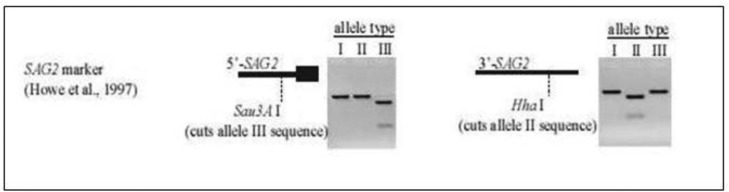
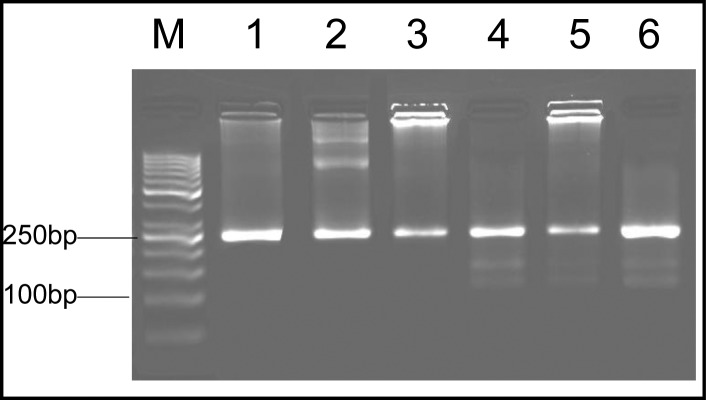
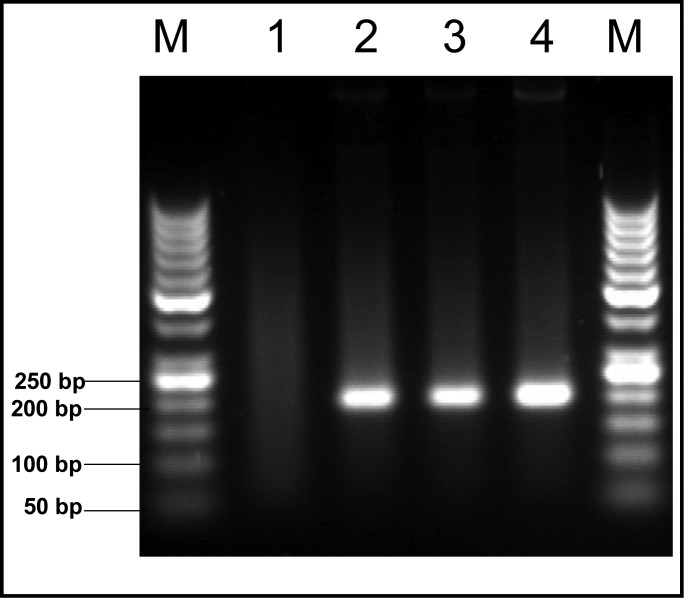
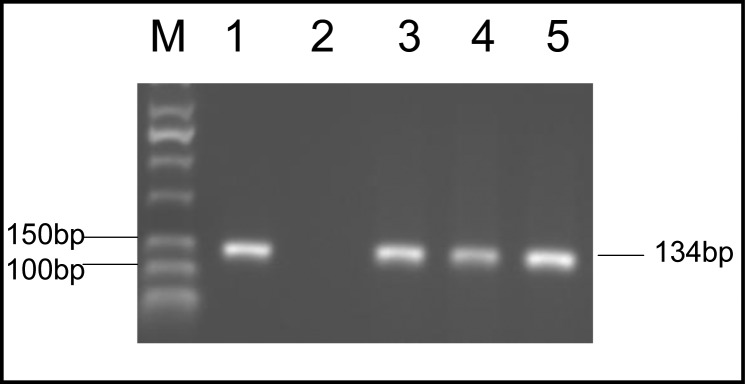
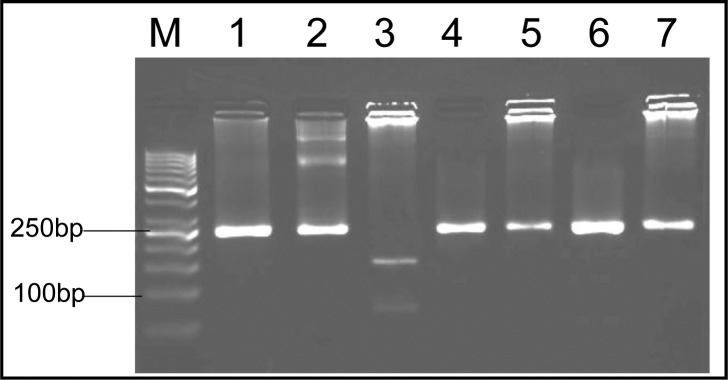
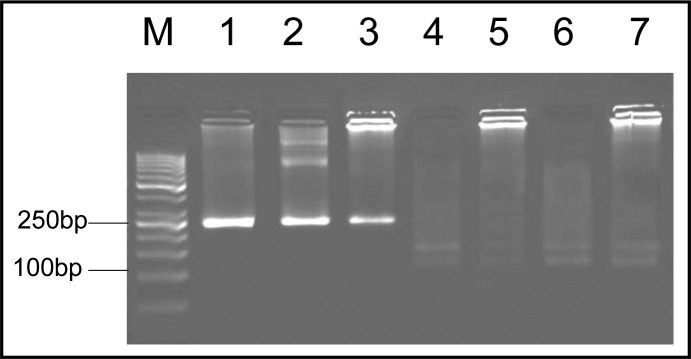
A total of 150 soil samples were collected around rubbish dumps, children's play ground, parks and public places. Oocysts recovery was performed by sodium nitrate flotation method on soil samples. For molecular detection, PCR reaction targeting B1 gene was performed and then, the positive results were confirmed using repetitive 529 bp DNA fragment in other PCR reaction. Finally, the positive samples were genotyped at the SAG2 locus.
Toxoplasma DNA was found in 13 soil samples. After genotyping and RFLP analysis in SAG2 locus, nine positive samples were revealed type III, one positive sample was type I whereas three samples revealed mixed infection (type, I & III).
The predominant genotype in Tehran soil samples is type III.
原生动物寄生虫刚地弓形虫可感染任何温血有核细胞。人类感染的途径之一是直接从土壤中摄入卵囊,或通过受感染的水果或蔬菜摄入。为了调查弓形虫卵囊在土壤样本中的潜在作用,本研究在伊朗德黑兰市进行。
在垃圾场、儿童游乐场、公园和公共场所周围共采集了150份土壤样本。采用硝酸钠浮选法从土壤样本中回收卵囊。进行针对B1基因的PCR反应以进行分子检测,然后在其他PCR反应中使用529 bp重复DNA片段确认阳性结果。最后,对阳性样本在SAG2位点进行基因分型。
在13份土壤样本中发现了弓形虫DNA。在SAG2位点进行基因分型和RFLP分析后,9份阳性样本为III型,1份阳性样本为I型,3份样本为混合感染(I型和III型)。
德黑兰土壤样本中的主要基因型为III型。