Department of Chemistry and Chemical Biologyand ‡Department of Biomedical Engineering, Rutgers, The State University of New Jersey , Piscataway, New Jersey 08854, United States.
Biomacromolecules. 2013 Oct 14;14(10):3542-8. doi: 10.1021/bm400889a. Epub 2013 Sep 6.
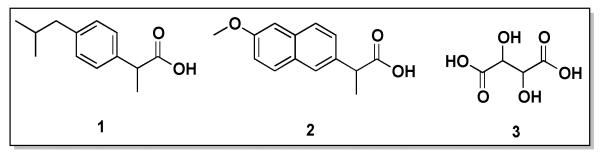
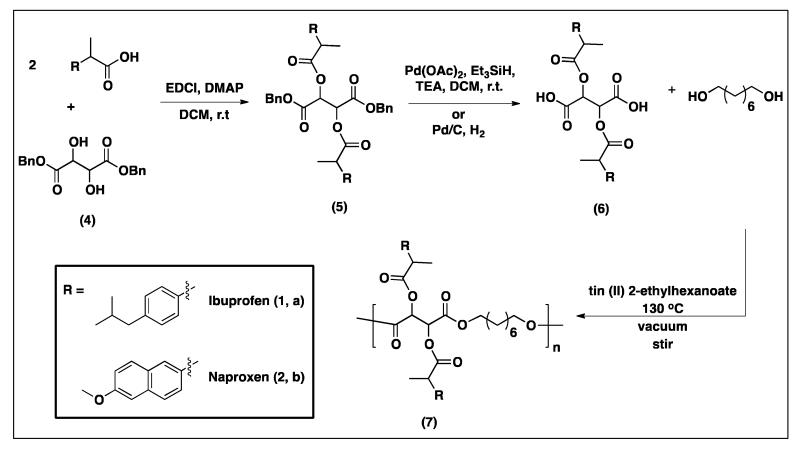
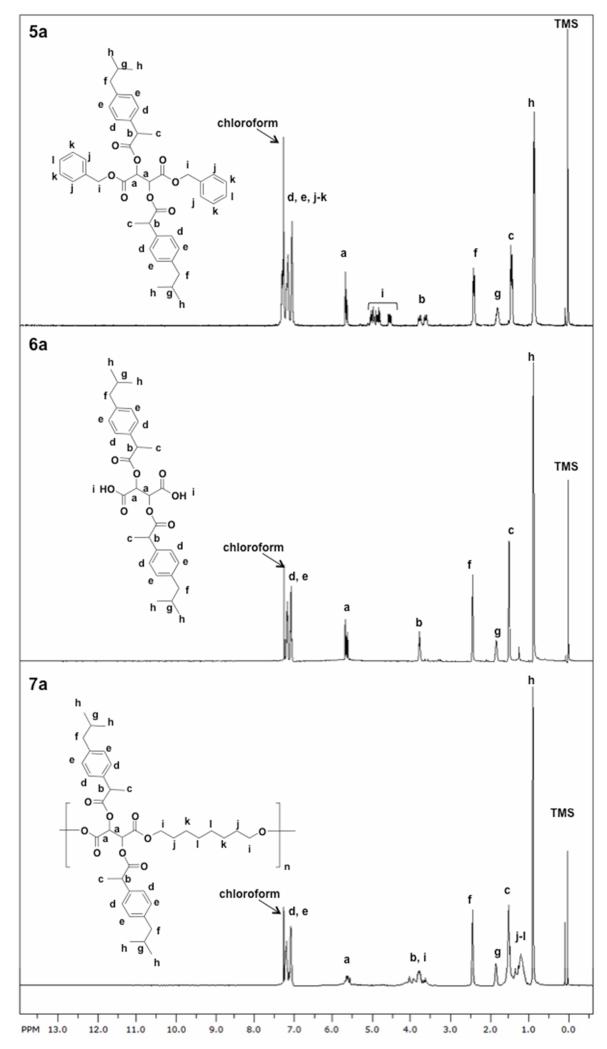
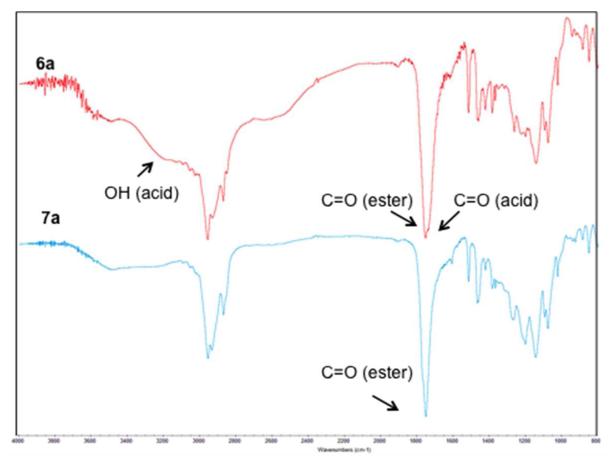
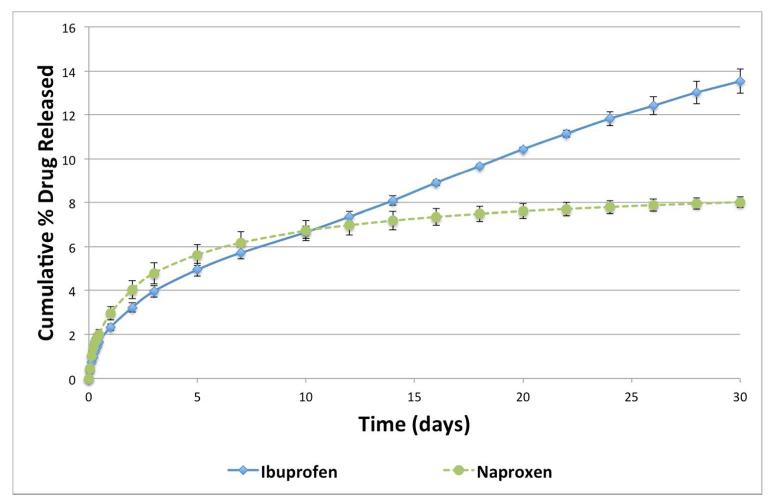
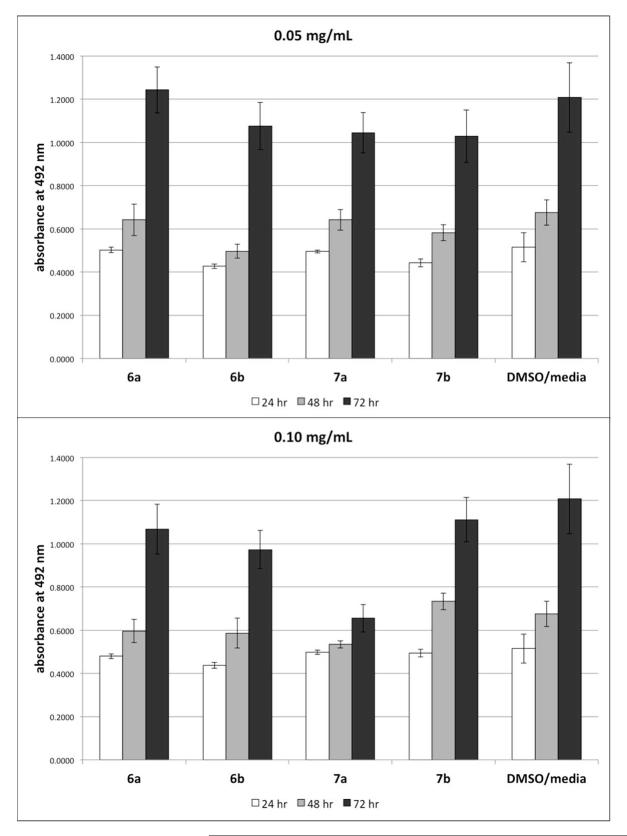
Controlled release of nonsteroidal anti-inflammatory drugs such as ibuprofen and naproxen could be beneficial for the treatment of inflammatory diseases while reducing the side effects resulting from their continuous use. Novel biodegradable polyesters solely comprised of biocompatible components (e.g., tartaric acid, 1,8-octanediol, and ibuprofen or naproxen as pendant groups) have been synthesized using tin(II) 2-ethylhexanoate as catalyst at 130 °C and subsequently characterized to determine their structures and physicochemical properties. The polymers release the free drug (ibuprofen or naproxen) in vitro in a controlled manner without burst release, unlike the release rates achieved when the drugs are encapsulated in other polymers. These new biomaterials are not cytotoxic toward mouse fibroblasts up to 0.10 mg/mL. The drugs retain their chemical structure following hydrolytic degradation of the polymer, suggesting that bioactivity is preserved.
非甾体抗炎药(如布洛芬和萘普生)的控制释放可能有益于炎症性疾病的治疗,同时减少连续使用所产生的副作用。新型生物可降解聚酯完全由生物相容的成分组成(例如,酒石酸、1,8-辛二醇和作为侧基的布洛芬或萘普生),已使用辛酸亚锡作为催化剂在 130°C 下合成,并随后对其结构和物理化学性质进行了表征。这些聚合物在体外以受控方式释放游离药物(布洛芬或萘普生),没有爆发释放,与将药物包封在其他聚合物中时达到的释放速率不同。这些新型生物材料在高达 0.10mg/mL 的浓度下对小鼠成纤维细胞没有细胞毒性。在聚合物水解降解后,药物保留其化学结构,表明保持了生物活性。