Williams Richard T, Yu Alice L, Diccianni Mitchell B, Theodorakis Emmanuel A, Batova Ayse
Department of Chemistry and Biochemistry, University of California, 9500 Gilman Drive, La Jolla, CA 92093, USA.
J Exp Clin Cancer Res. 2013 Aug 20;32(1):57. doi: 10.1186/1756-9966-32-57.
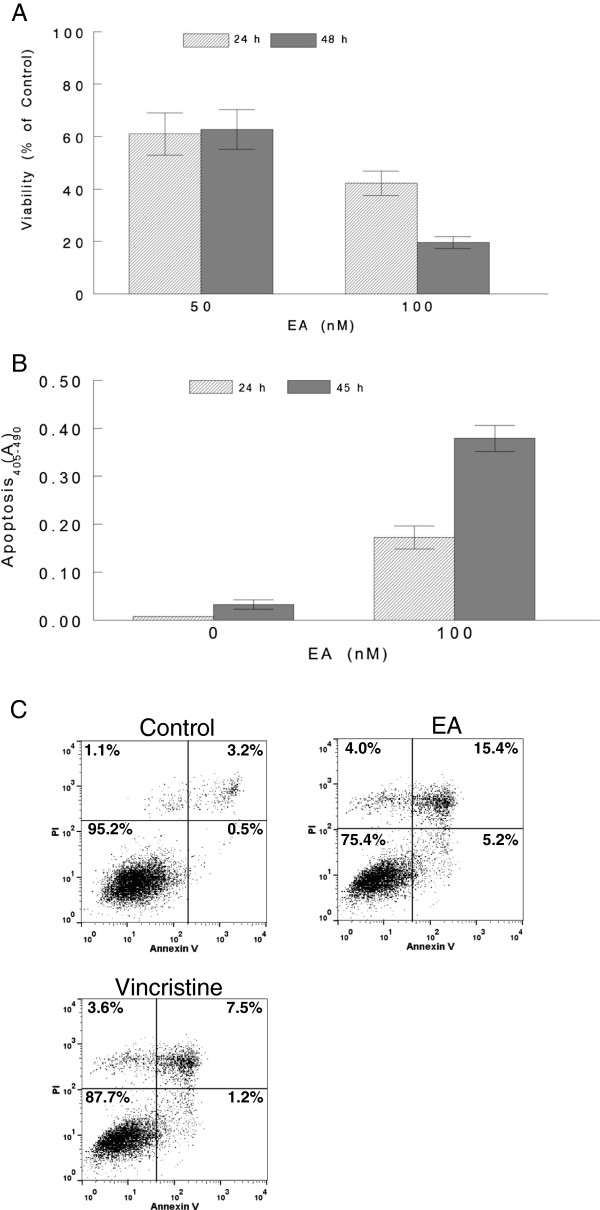
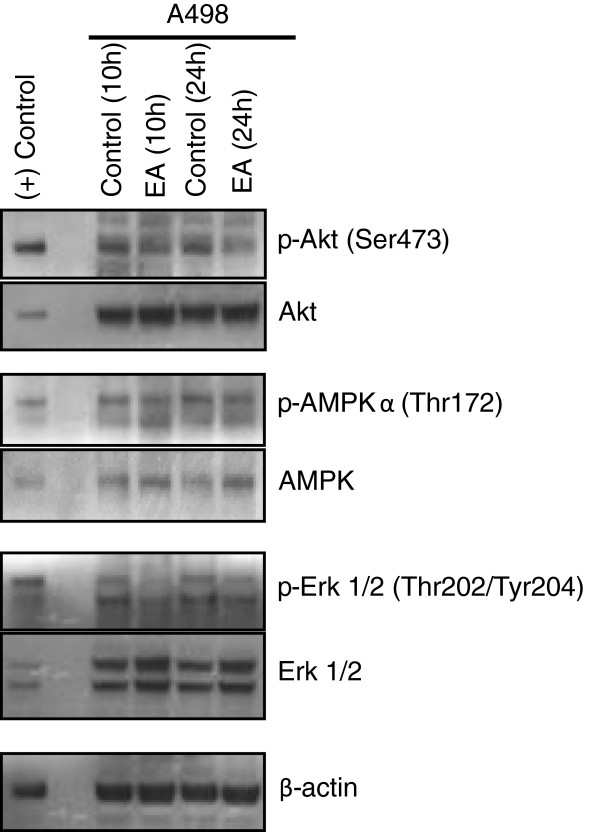
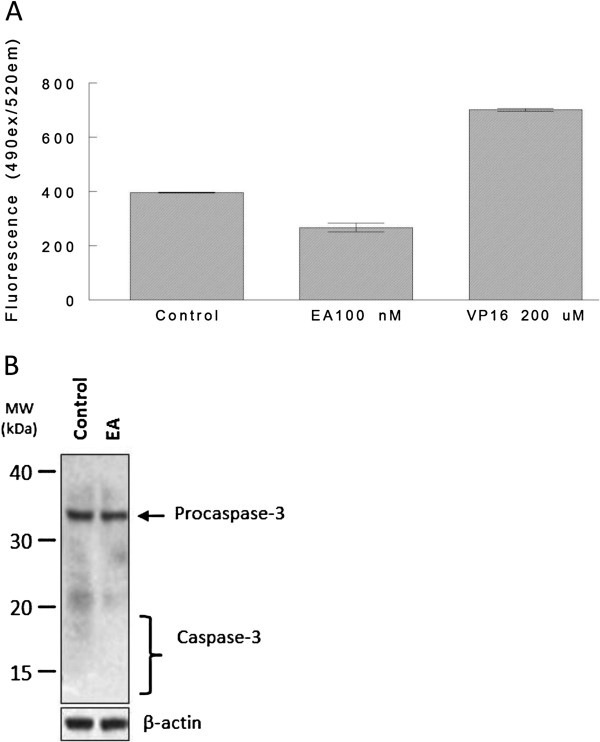
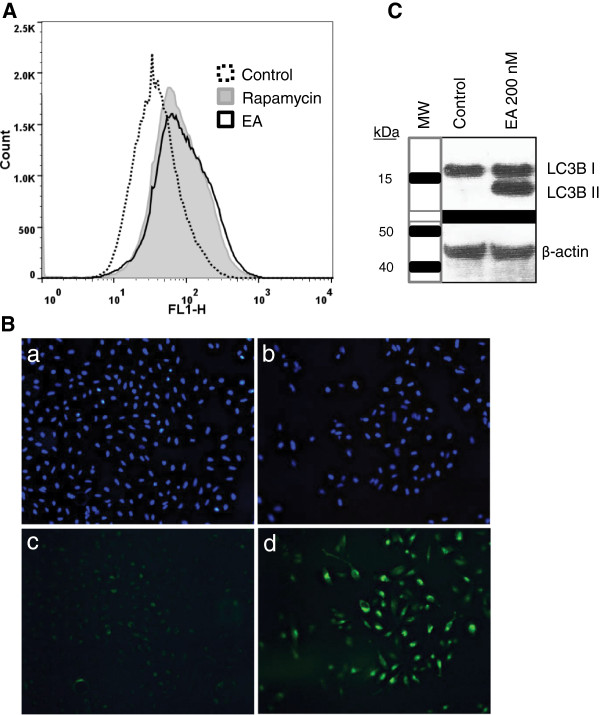
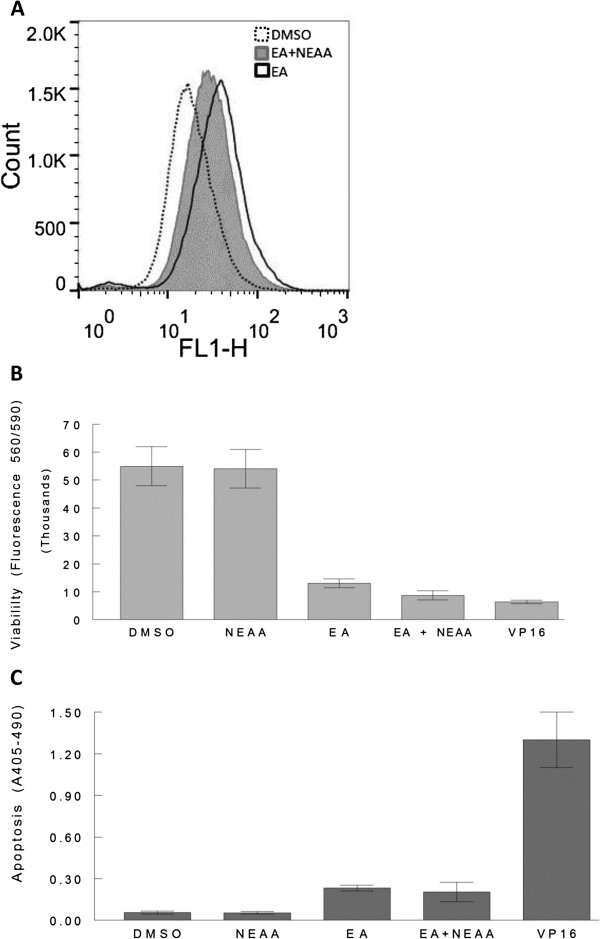
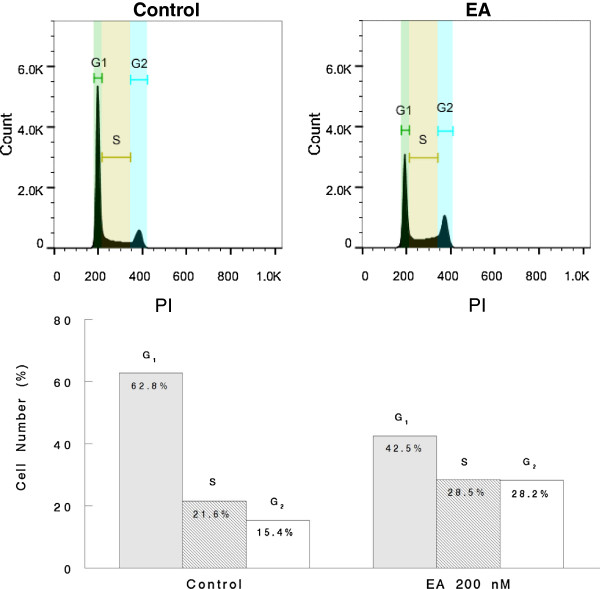
Renal cell carcinoma (RCC), the most common malignancy of the kidney, is refractory to standard therapy and has an incidence that continues to rise. Screening of plant extracts in search of new agents to treat RCC resulted in the discovery of englerin A (EA), a natural product exhibiting potent selective cytotoxicity against renal cancer cells. Despite the establishment of synthetic routes to the synthesis of EA, very little is known about its mechanism of action. The results of the current study demonstrate for the first time that EA induces apoptosis in A498 renal cancer cells in addition to necrosis. The induction of apoptosis by EA required at least 24 h and was caspase independent. In addition, EA induced increased levels of autophagic vesicles in A498 cells which could be inhibited by nonessential amino acids (NEAA), known inhibitors of autophagy. Interestingly, inhibition of autophagy by NEAA did not diminish cell death suggesting that autophagy is not a cell death mechanism and likely represents a cell survival mechanism which ultimately fails. Apart from cell death, our results demonstrated that cells treated with EA accumulated in the G2 phase of the cell cycle indicating a block in G2/M transition. Moreover, our results determined that EA inhibited the activation of both AKT and ERK, kinases which are activated in cancer and implicated in unrestricted cell proliferation and induction of autophagy. The phosphorylation status of the cellular energy sensor, AMPK, appeared unaffected by EA. The high renal cancer selectivity of EA combined with its ability to induce multiple mechanisms of cell death while inhibiting pathways driving cell proliferation, suggest that EA is a highly unique agent with great potential as a therapeutic lead for the treatment of RCC.
肾细胞癌(RCC)是最常见的肾脏恶性肿瘤,对标准治疗具有耐药性,且发病率持续上升。对植物提取物进行筛选以寻找治疗RCC的新药物,结果发现了恩格勒菌素A(EA),这是一种对肾癌细胞具有强大选择性细胞毒性的天然产物。尽管已经建立了EA的合成路线,但对其作用机制知之甚少。本研究结果首次证明,EA除了诱导坏死外,还能诱导A498肾癌细胞凋亡。EA诱导凋亡至少需要24小时,且不依赖于半胱天冬酶。此外,EA诱导A498细胞中自噬小泡水平升高,这可被非必需氨基酸(NEAA,已知的自噬抑制剂)抑制。有趣的是,NEAA抑制自噬并没有减少细胞死亡,这表明自噬不是一种细胞死亡机制,可能代表一种最终失败的细胞存活机制。除了细胞死亡外,我们的结果还表明,用EA处理的细胞在细胞周期的G2期积累,表明G2/M期转换受阻。此外,我们的结果确定,EA抑制AKT和ERK的激活,这两种激酶在癌症中被激活,并与不受限制的细胞增殖和自噬诱导有关。细胞能量传感器AMPK的磷酸化状态似乎不受EA影响。EA对肾癌的高选择性及其诱导多种细胞死亡机制同时抑制驱动细胞增殖的信号通路的能力,表明EA是一种极具潜力的独特药物,有望成为治疗RCC的先导治疗药物。