Key Laboratory for NeuroInformation of Ministry of Education, School of Life Science and Technology, University of Electronic Science and Technology of China, Chengdu 610054, China.
Sci Rep. 2013;3:2496. doi: 10.1038/srep02496.
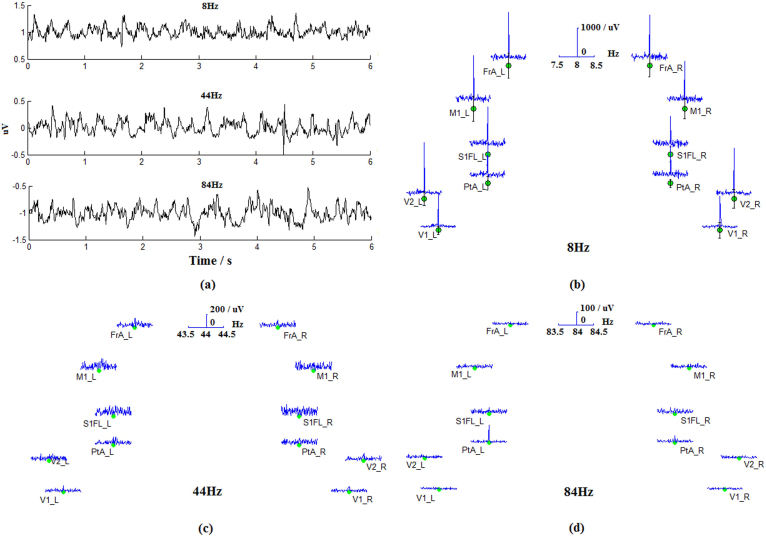
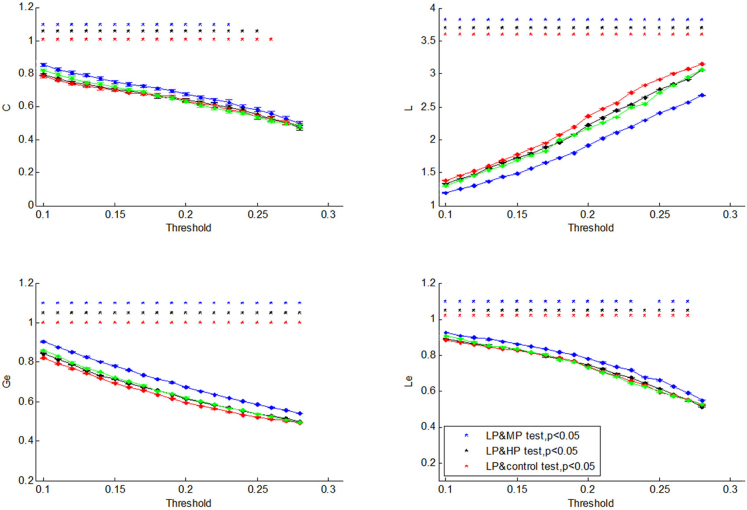
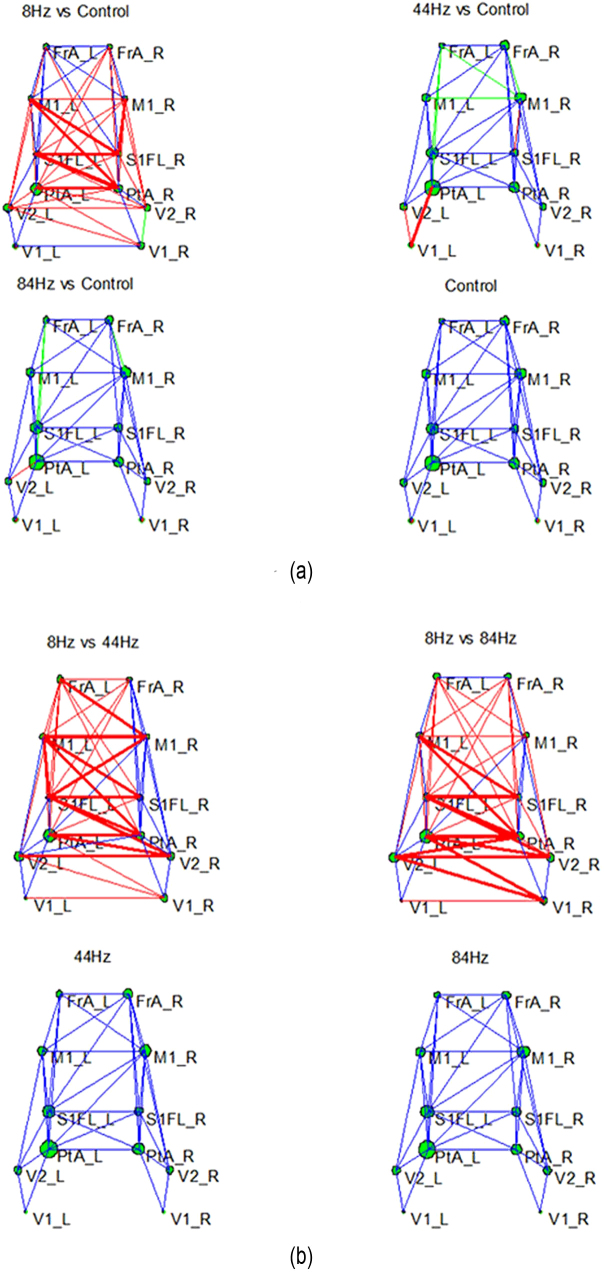
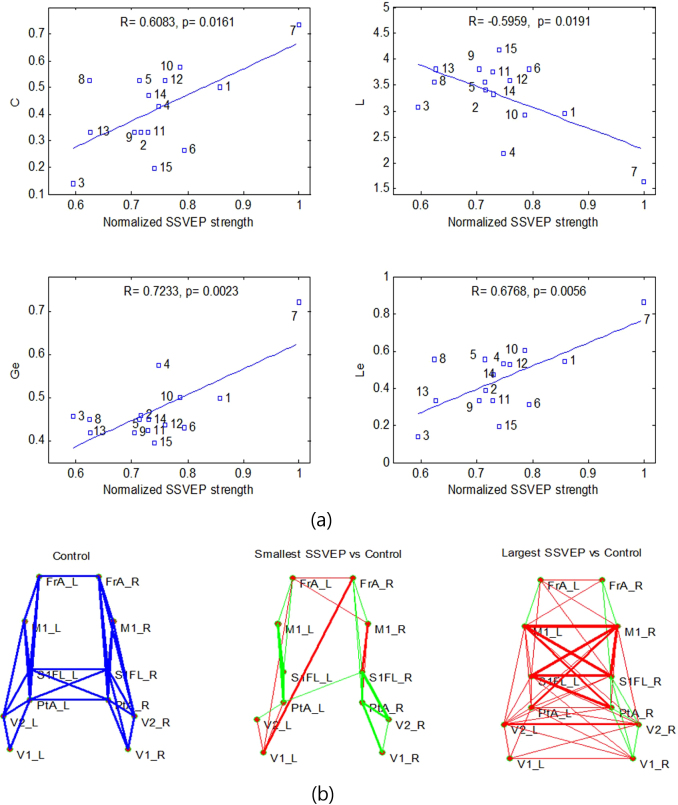
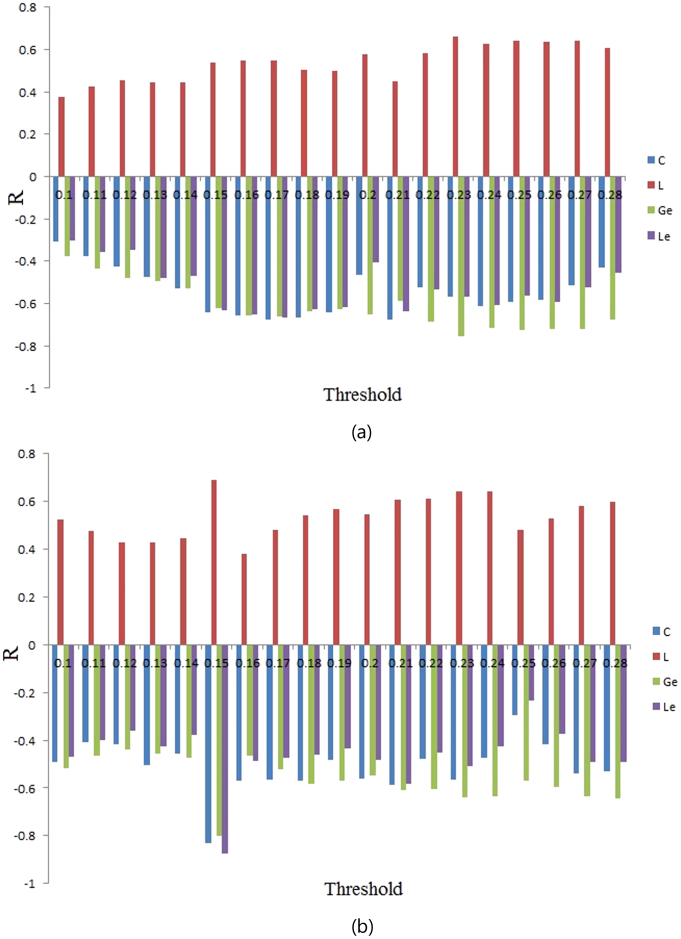
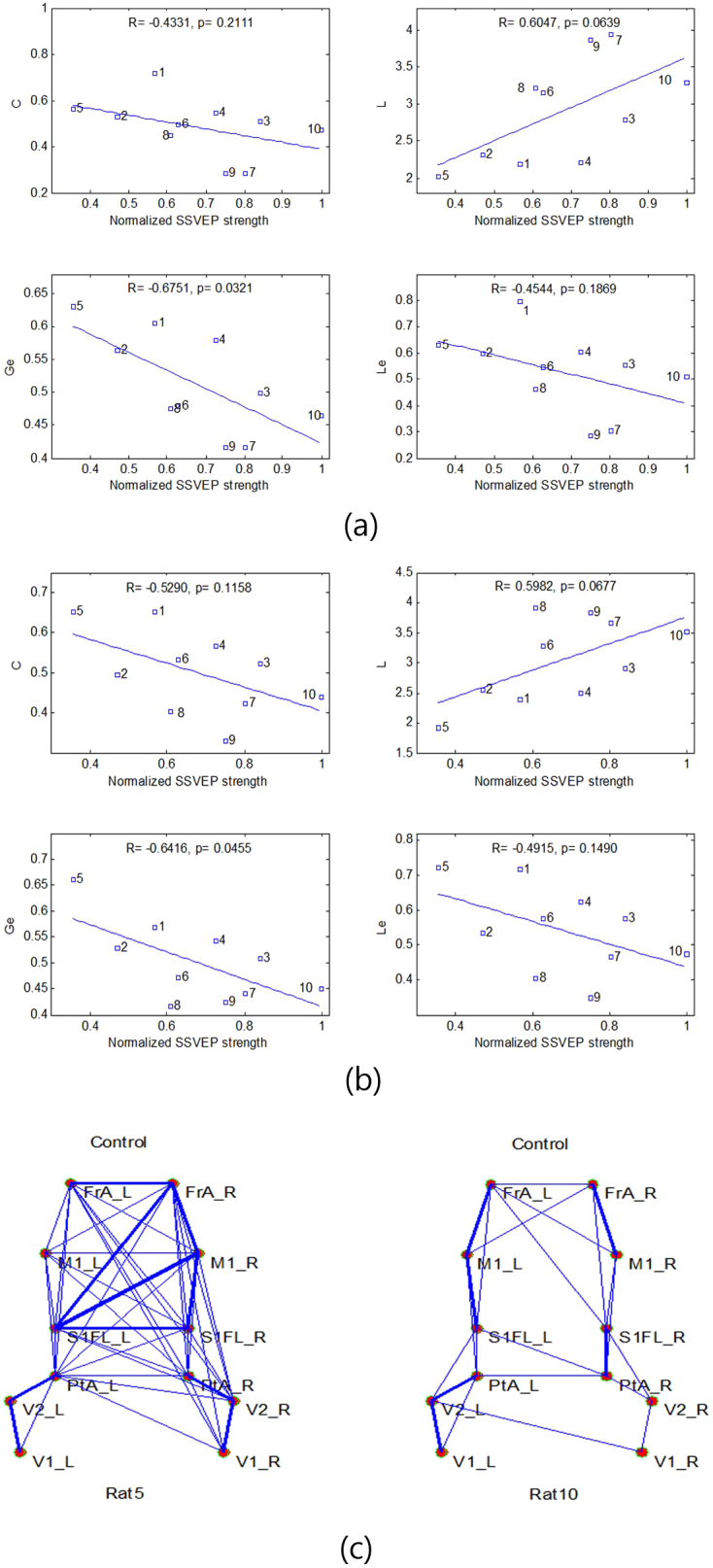
Steady state visual evoked potentials (SSVEP) are assumed to be regulated by multiple brain areas, yet the underlying mechanisms are not well understood. In this study, we utilized multi-channel intracranial recordings together with network analysis to investigate the underlying relationships between SSVEP and brain networks in anesthetized rat. We examined the relationship between SSVEP amplitude and the network topological properties for different stimulation frequencies, the synergetic dynamic changes of the amplitude and topological properties in each rat, the network properties of the control state, and the individual difference of SSVEP network attributes existing among rats. All these aspects consistently indicate that SSVEP response is closely correlated with network properties, the reorganization of the background network plays a crucial role in SSVEP production, and the background network may provide a physiological marker for evaluating the potential of SSVEP generation.
稳态视觉诱发电位(SSVEP)被认为是由多个脑区调节的,但潜在机制尚不清楚。在这项研究中,我们利用多通道颅内记录和网络分析来研究麻醉大鼠 SSVEP 与脑网络之间的潜在关系。我们考察了不同刺激频率下 SSVEP 振幅与网络拓扑性质之间的关系、每个大鼠中振幅和拓扑性质的协同动态变化、对照状态下的网络性质以及大鼠之间 SSVEP 网络属性的个体差异。所有这些方面都一致表明,SSVEP 反应与网络性质密切相关,背景网络的重组在 SSVEP 产生中起着关键作用,并且背景网络可能为评估 SSVEP 产生潜力提供生理标记。