Department of Anesthesiology and Mucosal Inflammation Program, University of Colorado Denver, Aurora, Colorado, United States of America.
PLoS One. 2013 Aug 20;8(8):e71493. doi: 10.1371/journal.pone.0071493. eCollection 2013.
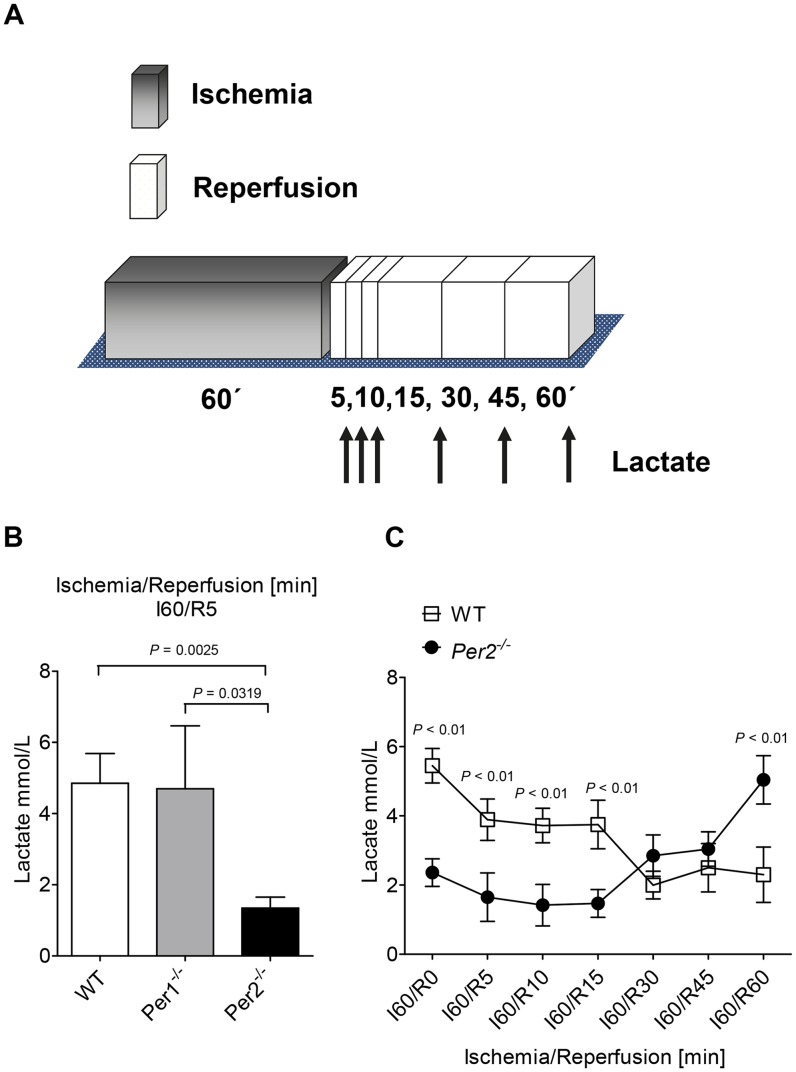
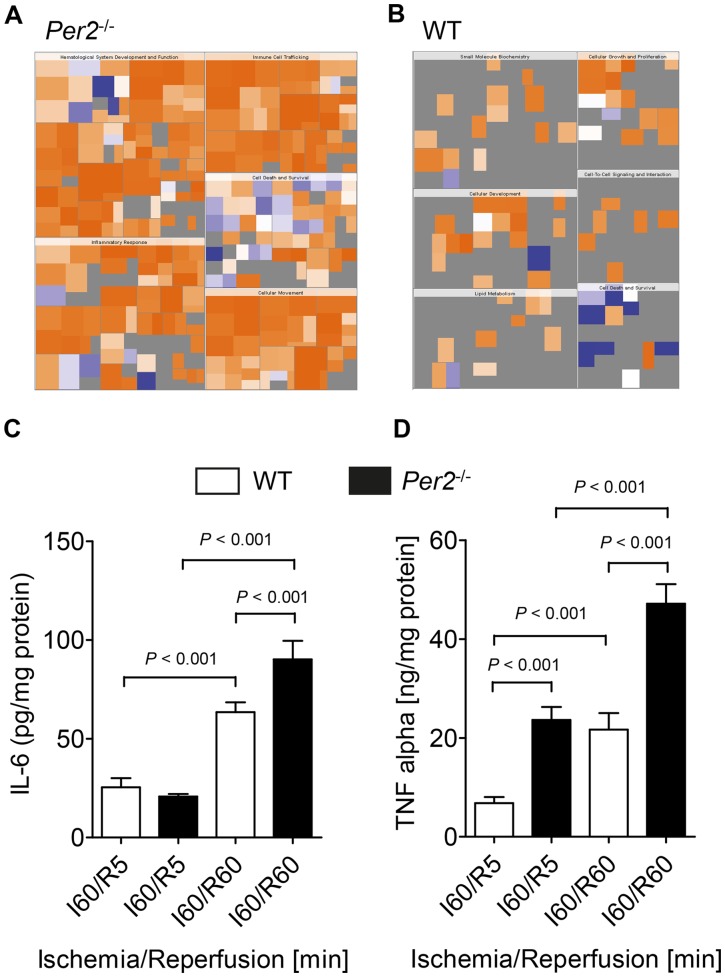
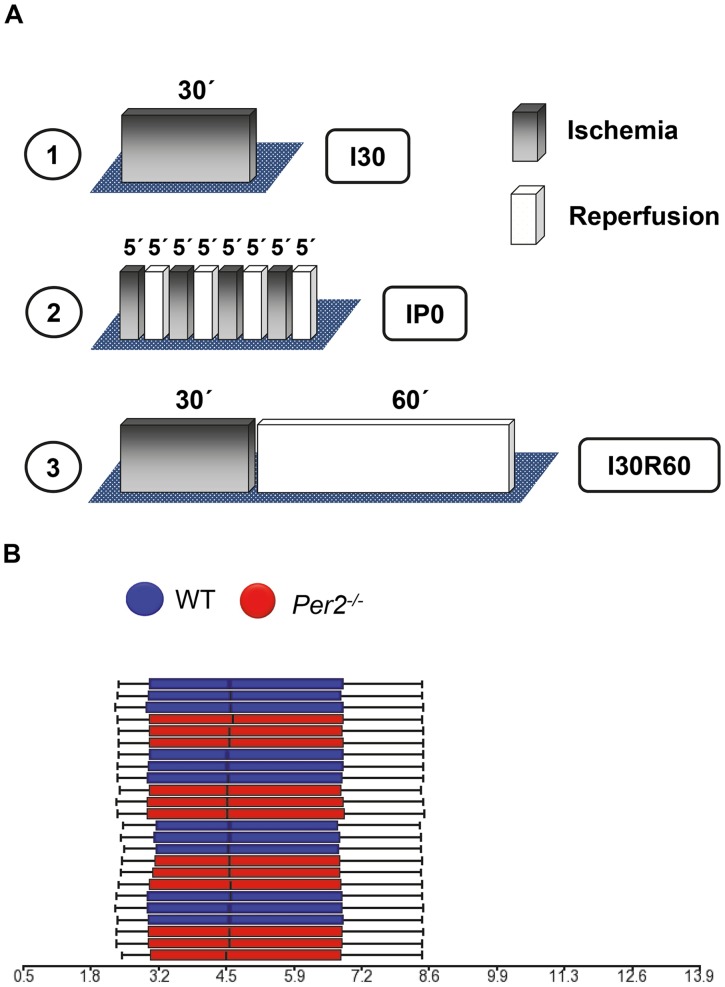
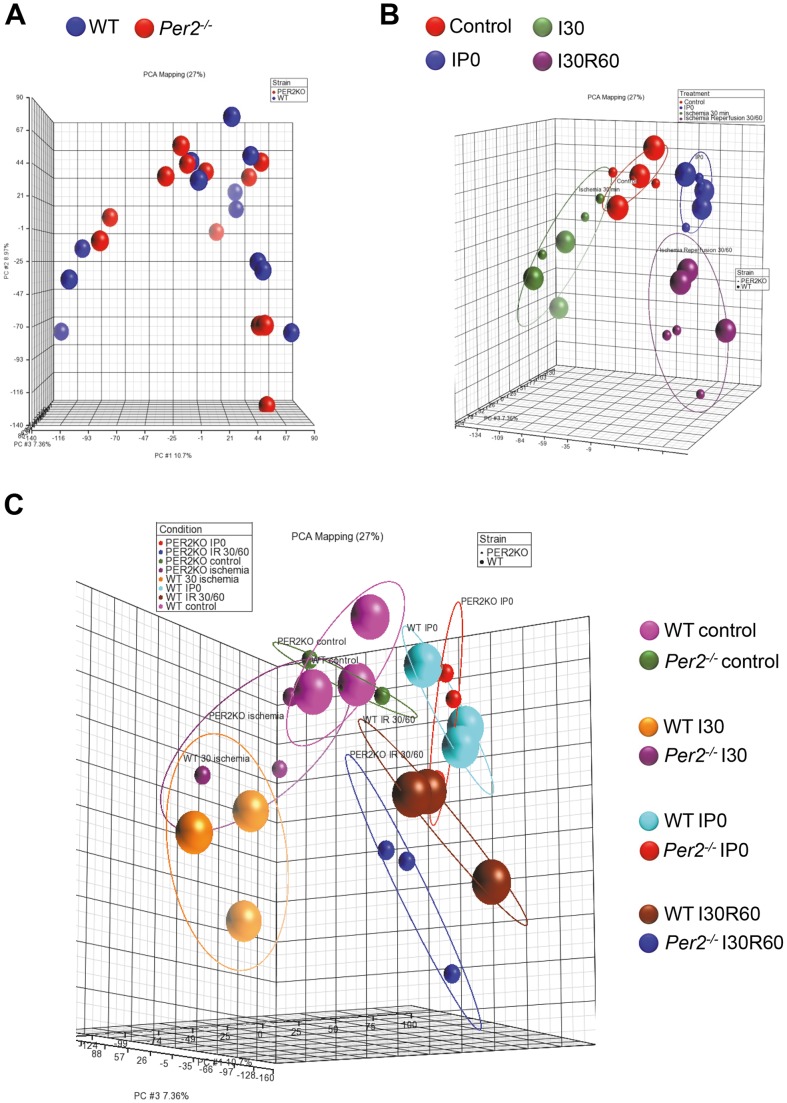
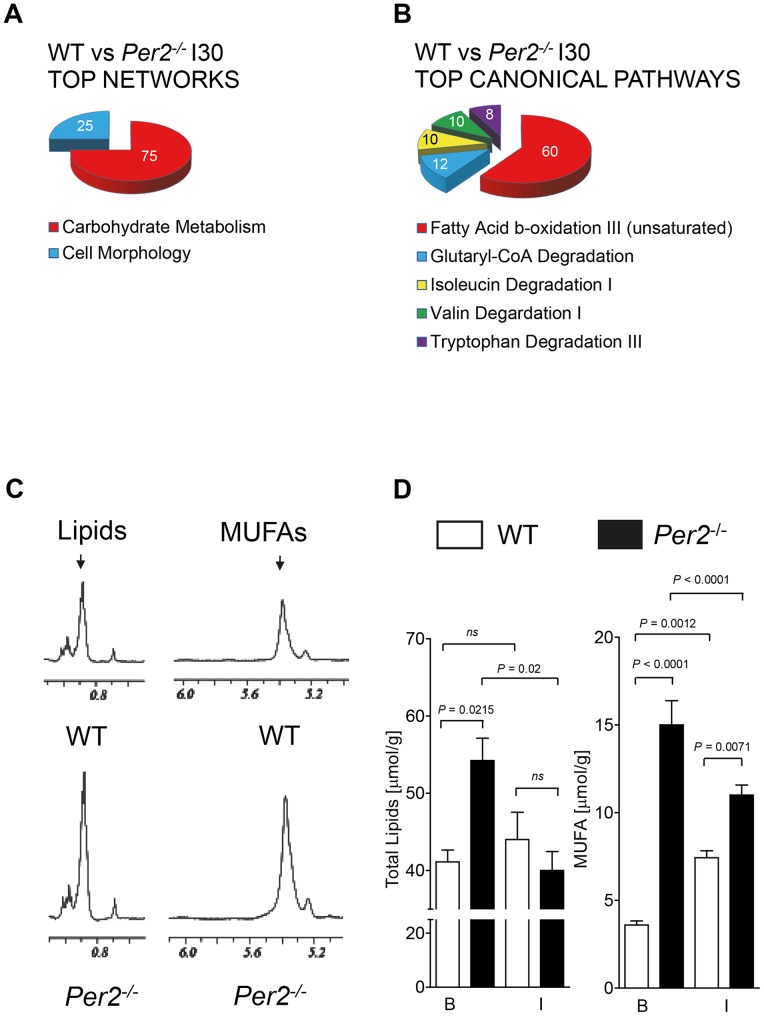
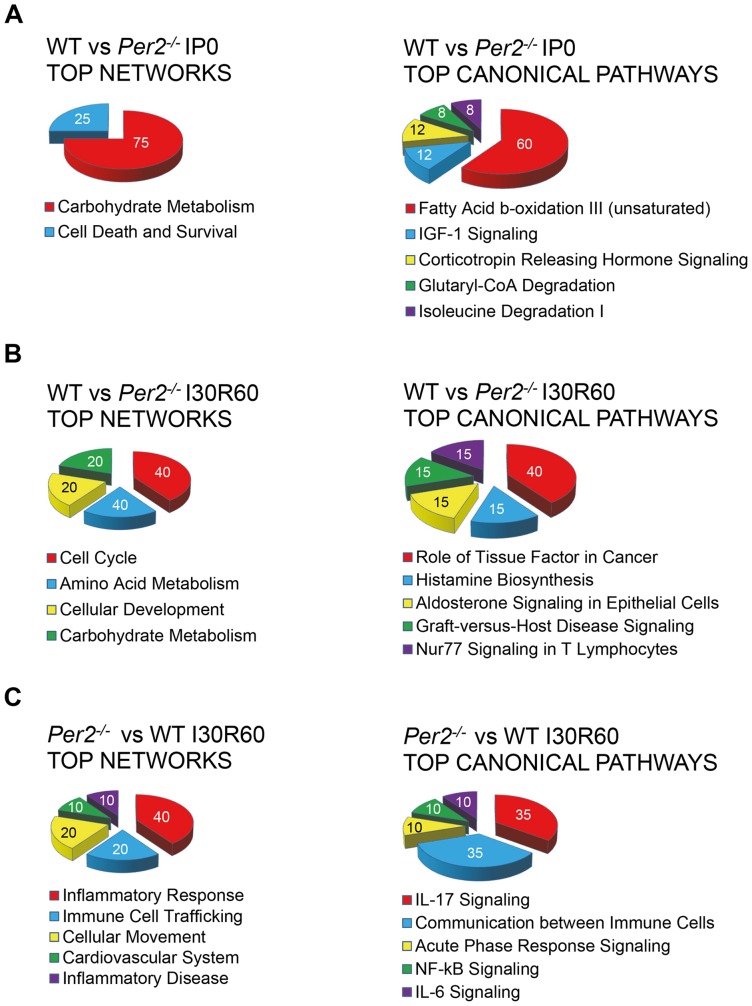
Disruption of peripheral circadian rhyme pathways dominantly leads to metabolic disorders. Studies on circadian rhythm proteins in the heart indicated a role for Clock or Per2 in cardiac metabolism. In contrast to Clock(-/-), Per2(-/-) mice have larger infarct sizes with deficient lactate production during myocardial ischemia. To test the hypothesis that cardiac Per2 represents an important regulator of cardiac metabolism during myocardial ischemia, we measured lactate during reperfusion in Per1(-/-), Per2(-/-) or wildtype mice. As lactate measurements in whole blood indicated an exclusive role of Per2 in controlling lactate production during myocardial ischemia, we next performed gene array studies using various ischemia-reperfusion protocols comparing wildtype and Per2(-/-) mice. Surprisingly, high-throughput gene array analysis revealed dominantly lipid metabolism as the differentially regulated pathway in wildtype mice when compared to Per2(-/-). In all ischemia-reperfusion protocols used, the enzyme enoyl-CoA hydratase, which is essential in fatty acid beta-oxidation, was regulated in wildtype animals only. Studies using nuclear magnet resonance imaging (NMRI) confirmed altered fatty acid populations with higher mono-unsaturated fatty acid levels in hearts from Per2(-/-) mice. Unexpectedly, studies on gene regulation during reperfusion revealed solely pro inflammatory genes as differentially regulated 'Per2-genes'. Subsequent studies on inflammatory markers showed increasing IL-6 or TNFα levels during reperfusion in Per2(-/-) mice. In summary, these studies reveal an important role of cardiac Per2 for fatty acid metabolism and inflammation during myocardial ischemia and reperfusion, respectively.
外周昼夜节律途径的破坏主要导致代谢紊乱。心脏昼夜节律蛋白的研究表明,Clock 或 Per2 在心脏代谢中起作用。与 Clock(-/-) 相比,Per2(-/-) 小鼠在心肌缺血期间具有更大的梗死面积和乳酸生成不足。为了验证心脏 Per2 是心肌缺血期间心脏代谢的重要调节因子的假设,我们测量了 Per1(-/-)、Per2(-/-)或野生型小鼠再灌注期间的乳酸。由于全血中的乳酸测量表明 Per2 是控制心肌缺血期间乳酸生成的唯一因素,因此我们接下来使用各种缺血再灌注方案进行基因阵列研究,比较野生型和 Per2(-/-) 小鼠。令人惊讶的是,高通量基因阵列分析显示,与 Per2(-/-)相比,野生型小鼠的脂质代谢是差异调节的主要途径。在使用的所有缺血再灌注方案中,在脂肪酸β氧化中必不可少的酶烯酰辅酶 A 水合酶仅在野生型动物中受到调节。使用磁共振成像 (NMRI) 的研究证实,与 Per2(-/-)小鼠的心脏相比,脂肪酸群体发生了改变,单不饱和脂肪酸水平升高。出乎意料的是,再灌注期间基因调控研究仅显示出差异调节的“Per2 基因”为促炎基因。随后对炎症标志物的研究表明,在 Per2(-/-)小鼠中,再灌注期间 IL-6 或 TNFα 水平增加。总之,这些研究表明,心脏 Per2 在心肌缺血和再灌注期间分别对脂肪酸代谢和炎症具有重要作用。