Department of Urology, Tongji Hospital, Tongji Medical College, Huazhong University of Science and Technology, Wuhan, Hubei, China.
PLoS One. 2013 Aug 26;8(8):e71265. doi: 10.1371/journal.pone.0071265. eCollection 2013.
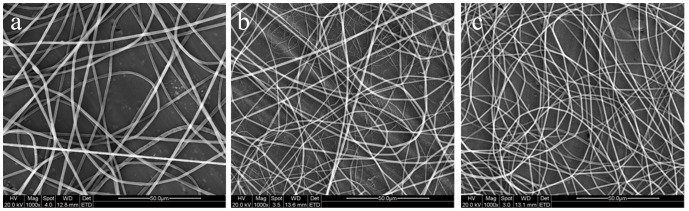
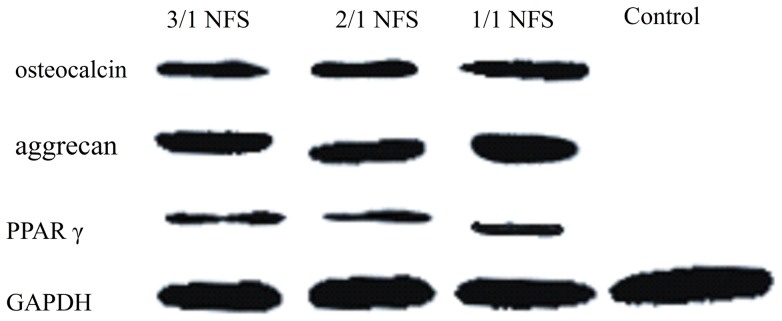
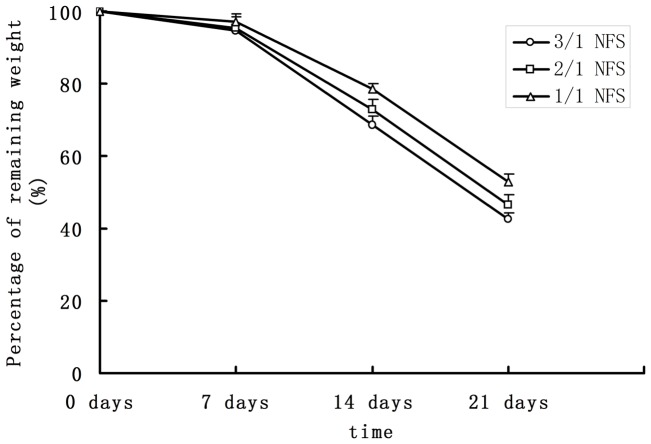
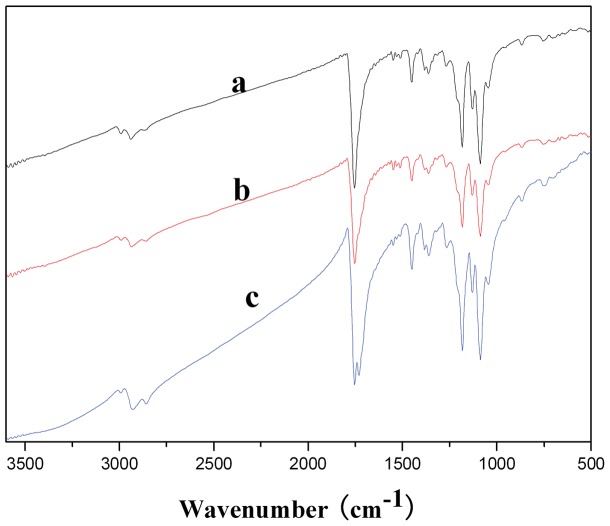
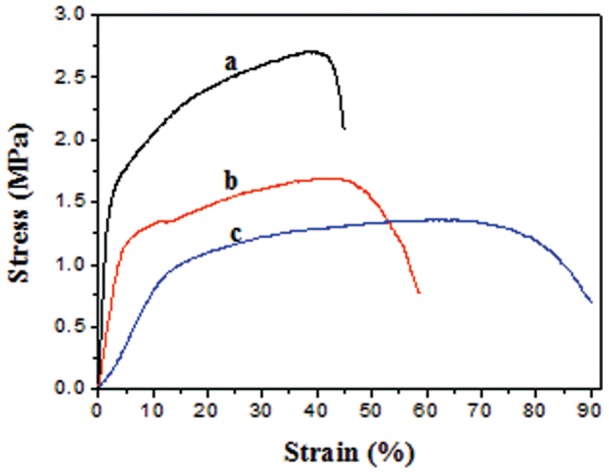
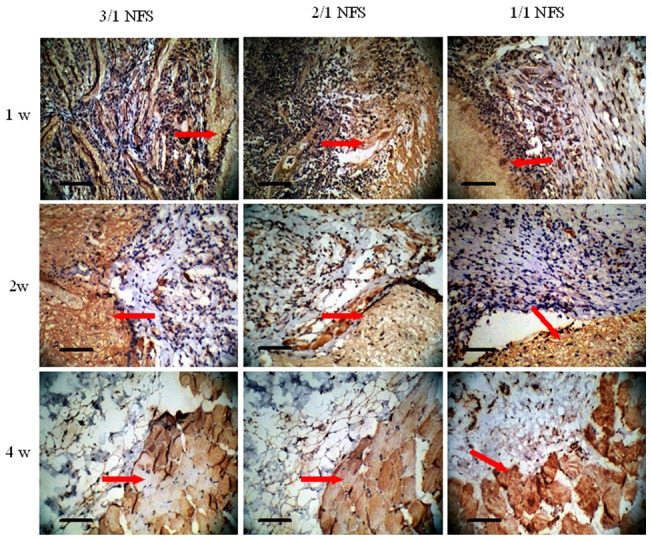
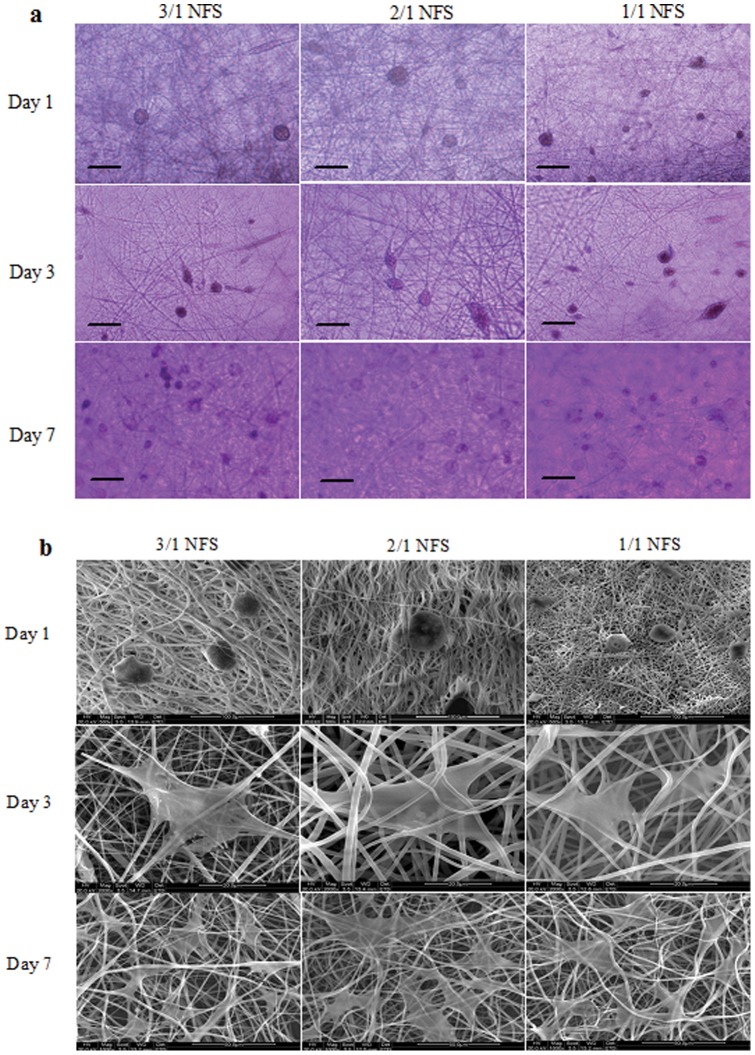
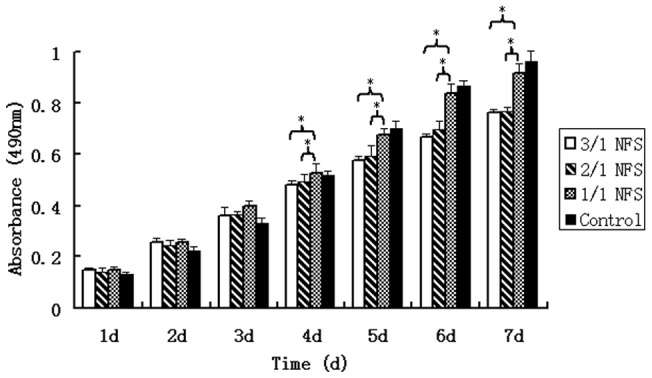
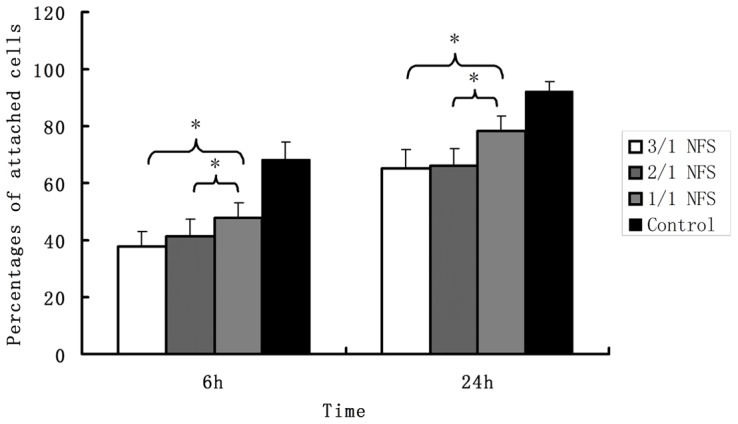
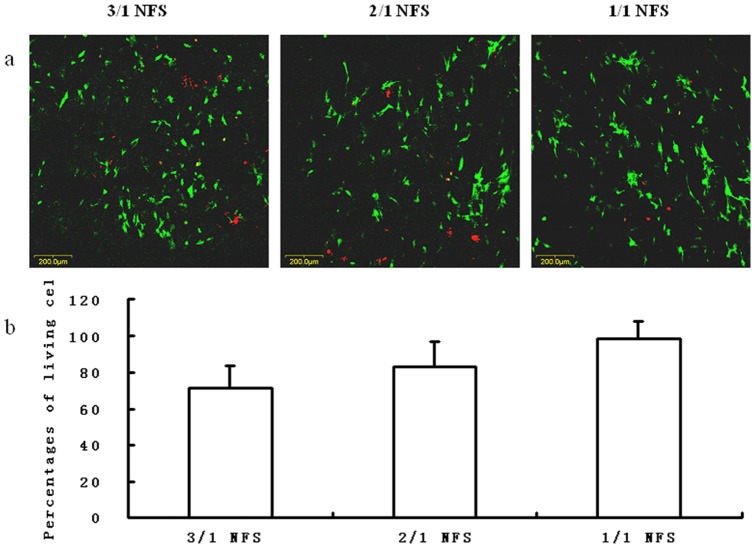
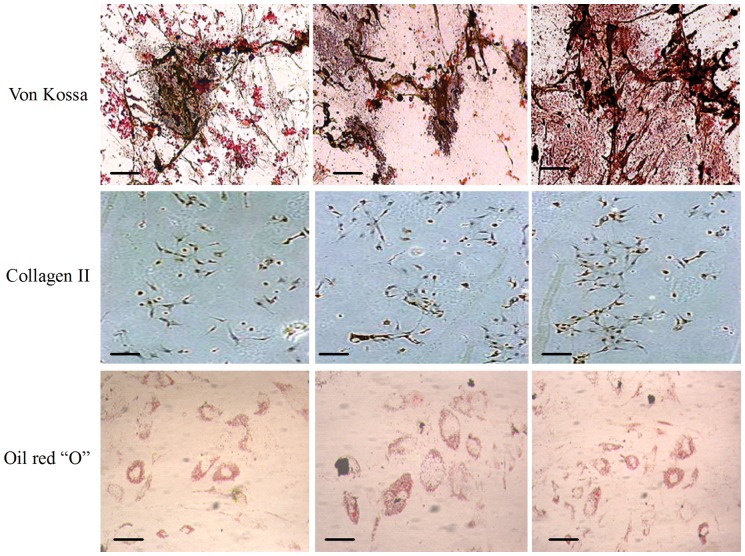
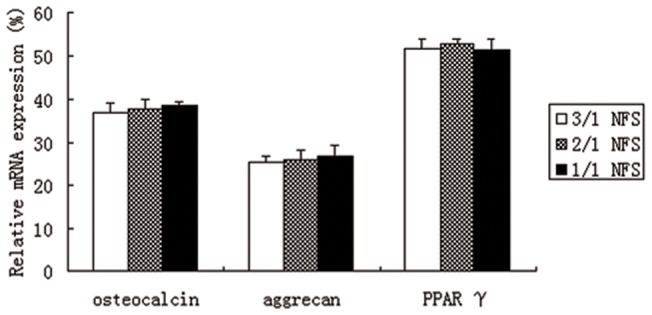
The essence of tissue engineering is the fabrication of autologous cells or induced stem cells in naturally derived or synthetic scaffolds to form specific tissues. Polymer is thought as an appealing source of cell-seeded scaffold owing to the diversity of its physicochemical property and can be electrospun into nano-size to mimic natural structure. Poly (L-lactic acid) (PLLA) and poly (ε-caprolactone) (PCL) are both excellent aliphatic polyester with almost "opposite" characteristics. The controlling combination of PLLA and PCL provides varying properties and makes diverse applications. Compared with the copolymers of the same components, PLLA/PCL blend demonstrates its potential in regenerative medicine as a simple, efficient and scalable alternative. In this study, we electrospun PLLA/PCL blends of different weight ratios into nanofibrous scaffolds (NFS) and their properties were detected including morphology, porosity, degradation, ATR-FTIR analysis, stress-stain assay, and inflammatory reaction. To explore the biocompatibility of the NFS we synthesized, human adipose-derived stem cells (hASCs) were used to evaluate proliferation, attachment, viability and multi-lineage differentiation. In conclusion, the electrospun PLLA/PCL blend nanofibrous scaffold with the indicated weight ratios all supported hASCs well. However, the NFS of 1/1 weight ratio showed better properties and cellular responses in all assessments, implying it a biocompatible scaffold for tissue engineering.
组织工程的本质是在天然或合成支架中制造自体细胞或诱导干细胞,以形成特定的组织。由于其物理化学性质的多样性,聚合物被认为是一种有吸引力的细胞接种支架来源,并且可以电纺成纳米尺寸以模拟天然结构。聚(L-乳酸)(PLLA)和聚(ε-己内酯)(PCL)都是极好的脂肪族聚酯,具有几乎“相反”的特性。PLLA 和 PCL 的控制组合提供了不同的性质,并实现了多样化的应用。与相同成分的共聚物相比,PLLA/PCL 共混物作为一种简单、高效和可扩展的替代物,在再生医学中具有潜力。在这项研究中,我们将不同重量比的 PLLA/PCL 共混物电纺成纳米纤维支架(NFS),并检测了其性能,包括形态、孔隙率、降解、ATR-FTIR 分析、应力-应变试验和炎症反应。为了探索我们合成的 NFS 的生物相容性,我们使用人脂肪来源干细胞(hASCs)来评估增殖、附着、活力和多能分化。总之,指示重量比的 PLLA/PCL 共混物纳米纤维支架能够很好地支持 hASCs。然而,在所有评估中,1/1 重量比的 NFS 表现出更好的性能和细胞反应,这意味着它是一种用于组织工程的生物相容性支架。