Richard Erin Morris, Thiyagarajan Thirumagal, Bunni Marlene A, Basher Fahmin, Roddy Patrick O, Siskind Leah J, Nietert Paul J, Nowling Tamara K
Division of Rheumatology and Immunology, Department of Medicine, Medical University of South Carolina, Charleston, South Carolina, United States of America.
PLoS One. 2013 Sep 10;8(9):e75175. doi: 10.1371/journal.pone.0075175. eCollection 2013.
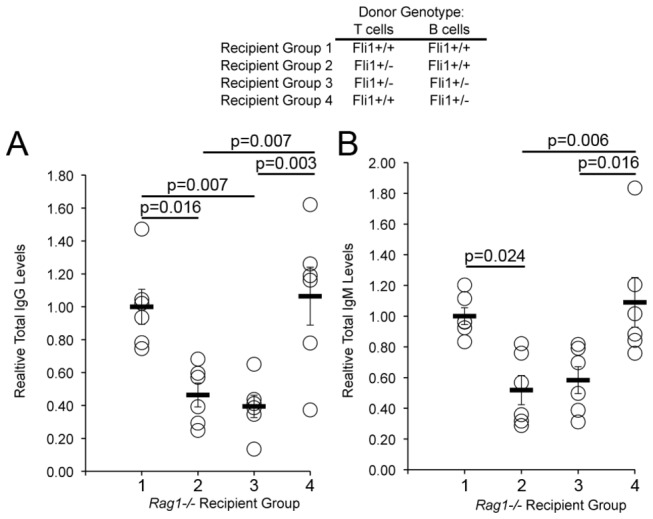
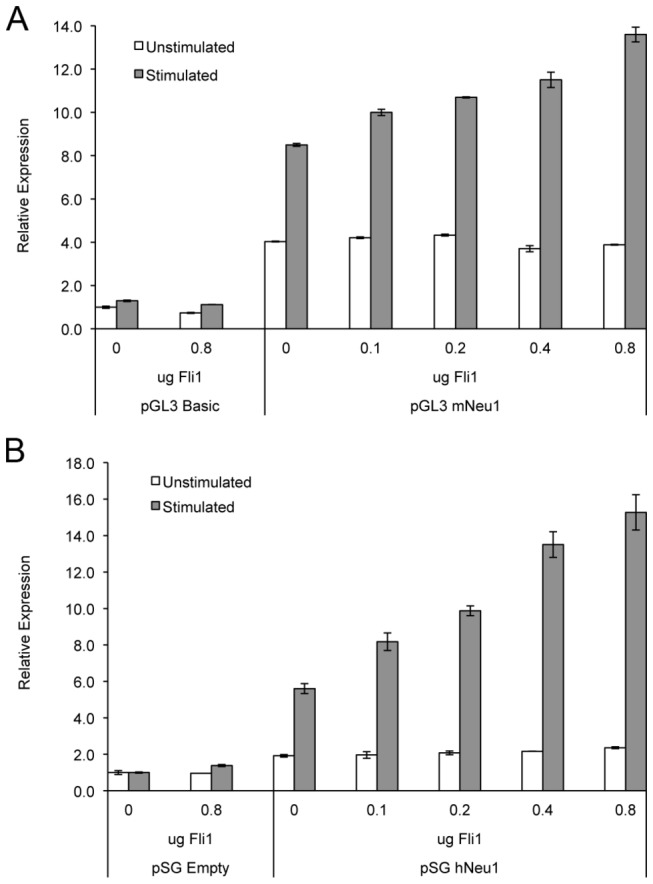
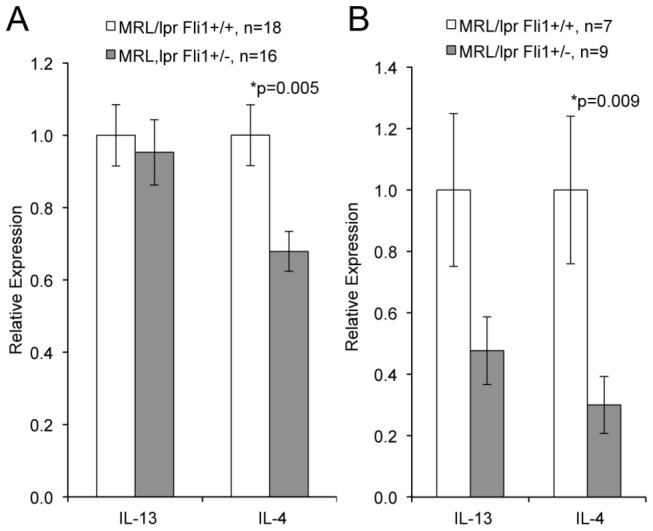
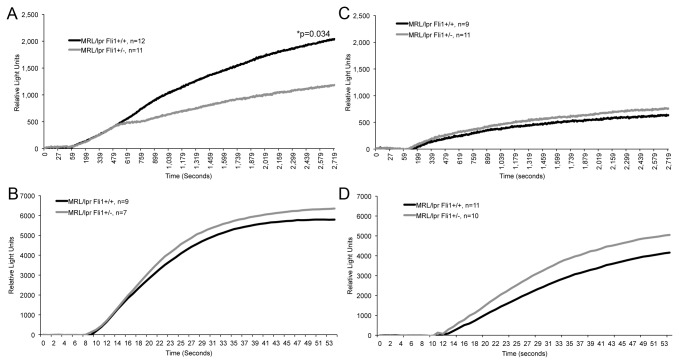
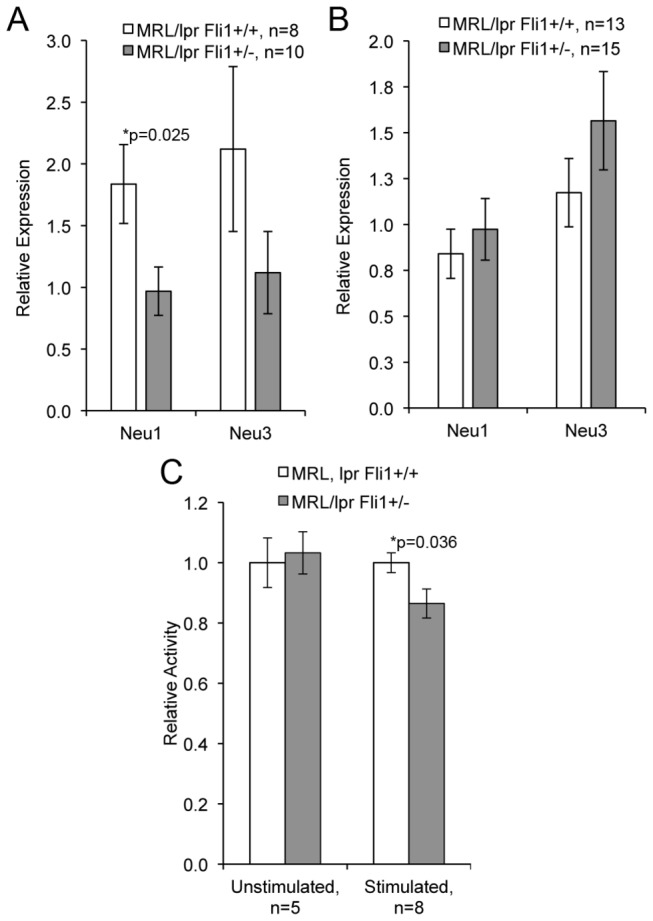
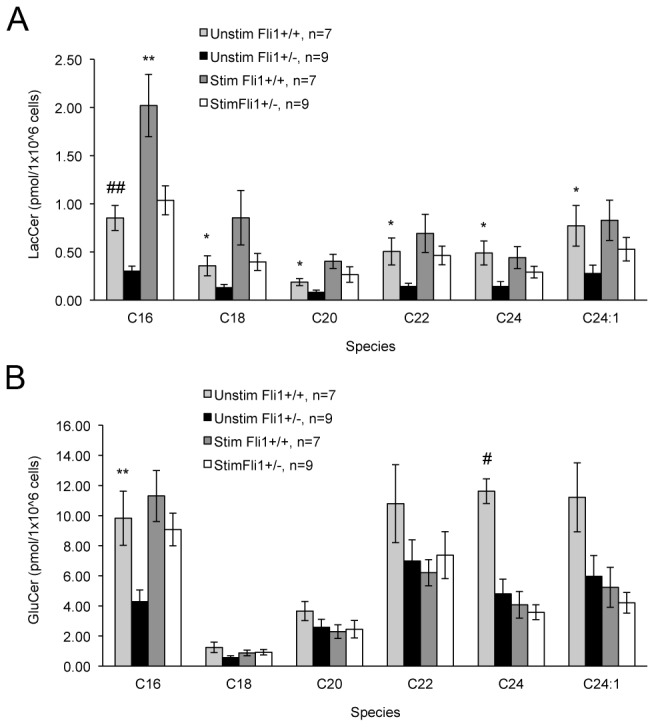
Systemic Lupus erythematosus (SLE) is an autoimmune disease caused, in part, by abnormalities in cells of the immune system including B and T cells. Genetically reducing globally the expression of the ETS transcription factor FLI1 by 50% in two lupus mouse models significantly improves disease measures and survival through an unknown mechanism. In this study we analyze the effects of reducing FLI1 in the MRL/lpr lupus prone model on T cell function. We demonstrate that adoptive transfer of MRL/lpr Fli1(+/+) or Fli1(+/-) T cells and B cells into Rag1-deficient mice results in significantly decreased serum immunoglobulin levels in animals receiving Fli1(+/-) lupus T cells compared to animals receiving Fli1(+/+) lupus T cells regardless of the genotype of co-transferred lupus B cells. Ex vivo analyses of MRL/lpr T cells demonstrated that Fli1(+/-) T cells produce significantly less IL-4 during early and late disease and exhibited significantly decreased TCR-specific activation during early disease compared to Fli1(+/+) T cells. Moreover, the Fli1(+/-) T cells expressed significantly less neuraminidase 1 (Neu1) message and decreased NEU activity during early disease and significantly decreased levels of glycosphingolipids during late disease compared to Fli1(+/+) T cells. FLI1 dose-dependently activated the Neu1 promoter in mouse and human T cell lines. Together, our results suggest reducing FLI1 in lupus decreases the pathogenicity of T cells by decreasing TCR-specific activation and IL-4 production in part through the modulation of glycosphingolipid metabolism. Reducing the expression of FLI1 or targeting the glycosphingolipid metabolic pathway in lupus may serve as a therapeutic approach to treating lupus.
系统性红斑狼疮(SLE)是一种自身免疫性疾病,部分由包括B细胞和T细胞在内的免疫系统细胞异常引起。在两种狼疮小鼠模型中,通过未知机制将ETS转录因子FLI1的整体表达在基因层面降低50%,可显著改善疾病指标并提高生存率。在本研究中,我们分析了在MRL/lpr狼疮易感模型中降低FLI1对T细胞功能的影响。我们证明,将MRL/lpr Fli1(+/+)或Fli1(+/-) T细胞和B细胞过继转移到Rag1缺陷小鼠体内,与接受Fli1(+/+)狼疮T细胞的动物相比,接受Fli1(+/-)狼疮T细胞的动物血清免疫球蛋白水平显著降低,无论共转移的狼疮B细胞的基因型如何。对MRL/lpr T细胞的体外分析表明,与Fli1(+/+) T细胞相比,Fli1(+/-) T细胞在疾病早期和晚期产生的IL-4显著减少,并且在疾病早期TCR特异性激活显著降低。此外,与Fli1(+/+) T细胞相比,Fli1(+/-) T细胞在疾病早期表达的神经氨酸酶1(Neu1)信使显著减少,NEU活性降低,在疾病晚期糖鞘脂水平显著降低。FLI1以剂量依赖的方式激活小鼠和人T细胞系中的Neu1启动子。总之,我们的结果表明,狼疮中FLI1的减少通过部分调节糖鞘脂代谢降低TCR特异性激活和IL-4产生,从而降低T细胞的致病性。降低狼疮中FLI1的表达或靶向糖鞘脂代谢途径可能是治疗狼疮的一种方法。