Rao Huiying, Wei Lai, Lopez-Talavera Juan Carlos, Shang Jia, Chen Hong, Li Jun, Xie Qing, Gao Zhiliang, Wang Lei, Wei Jia, Jiang Jianning, Sun Yongtao, Yang Ruifeng, Li Hong, Zhang Haiying, Gong Zuojiong, Zhang Lunli, Zhao Longfeng, Dou Xiaoguang, Niu Junqi, You Hong, Chen Zhi, Ning Qin, Gong Guozhong, Wu Shuhuan, Ji Wei, Mao Qing, Tang Hong, Li Shuchen, Wei Shaofeng, Sun Jian, Jiang Jiaji, Lu Lungen, Jia Jidong, Zhuang Hui
Peking University People's Hospital, Peking University Hepatology Institute, Beijing Key Laboratory for Hepatitis C and Immunotherapy for Liver Disease, Beijing, China.
J Gastroenterol Hepatol. 2014 Mar;29(3):545-53. doi: 10.1111/jgh.12398.
Chronic hepatitis C virus (HCV) infection is relatively frequent in China. This study investigated the clinical, demographic, and viral and host genetic characteristics that may influence disease manifestations and clinical management.
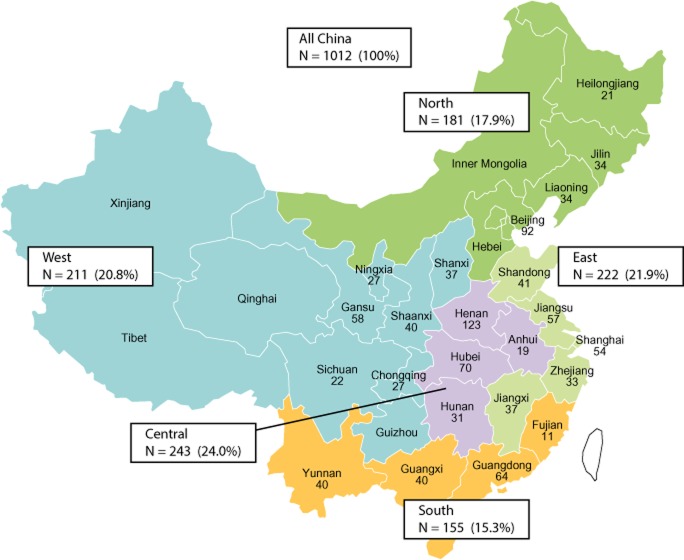
In this cross-sectional observational study, treatment-naïve Han ethnic adults with recently confirmed chronic HCV infection were enrolled at 28 hospitals across China. HCV genotype and host interleukin 28B (IL28B) genotypes were determined and compared with patient demographic parameters and medical status.
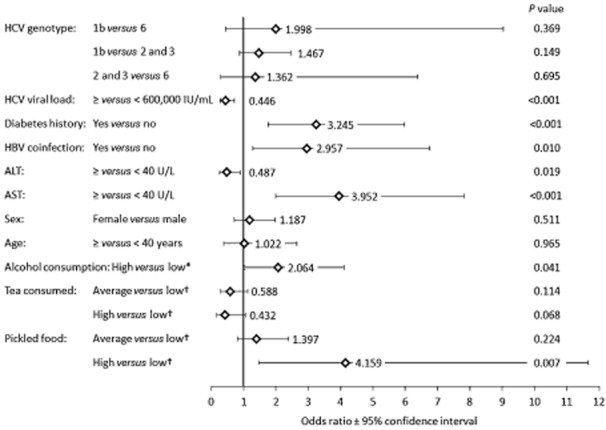
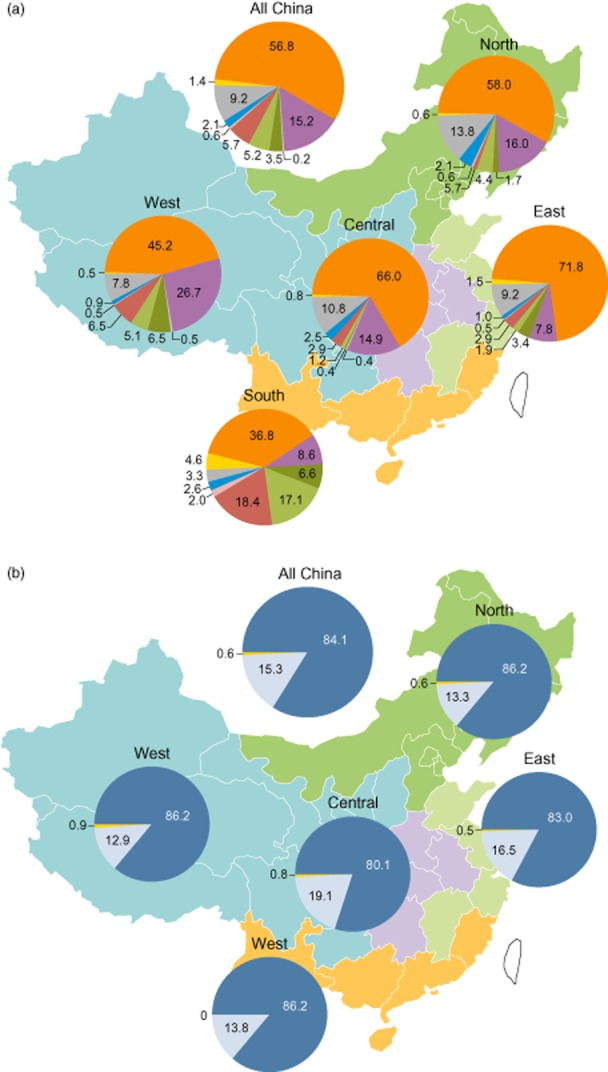
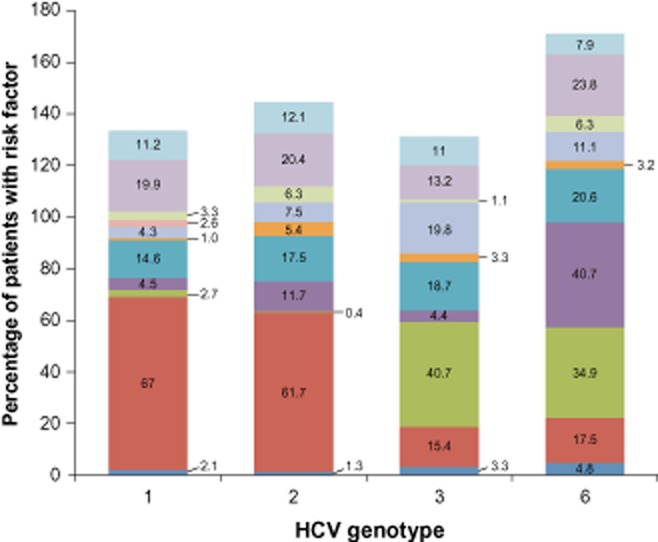
Among the 997 HCV-positive patients analyzed, 56.8% were infected with HCV genotype 1b, followed in prevalence by genotypes 2, 3, and 6, with substantial regional variation. Overall, 84.1% of patients were IL28B genotype CC (rs12979860), with little regional variation. Cirrhosis was reported in 10.1% of patients and was significantly associated with hepatitis B virus coinfection, low HCV viral load, low serum alanine aminotransferase, high serum aspartate aminotransferase, diabetes, and high pickled food consumption. Medical procedures were common transmission risk factors; however, lifestyle-associated risk factors, including intravenous drug abuse and tattoos or piercings, were more common in patients with HCV genotype 3 or 6.
Most HCV-infected Han Chinese patients were IL28B genotype CC (rs12979860). HCV genotypes varied by geographic region, and disease characteristics differed according to HCV genotype. Relatively frequent detection of advanced liver disease may reflect limitations on access to antiviral therapy, and suggests that greater awareness of factors that influence HCV-associated disease may help avoid clinical complications and improve patient outcomes.
慢性丙型肝炎病毒(HCV)感染在中国较为常见。本研究调查了可能影响疾病表现和临床管理的临床、人口统计学、病毒及宿主基因特征。
在这项横断面观察性研究中,来自中国28家医院的初治汉族成年慢性HCV感染患者入组。确定HCV基因型和宿主白细胞介素28B(IL28B)基因型,并与患者人口统计学参数和医疗状况进行比较。
在分析的997例HCV阳性患者中,56.8%感染HCV 1b基因型,其次是2、3和6基因型,存在显著的地区差异。总体而言,84.1%的患者为IL28B基因型CC(rs12979860),地区差异较小。10.1%的患者报告有肝硬化,且与乙型肝炎病毒合并感染、低HCV病毒载量、低血清丙氨酸氨基转移酶、高血清天冬氨酸氨基转移酶、糖尿病和高腌制食品摄入量显著相关。医疗操作是常见的传播危险因素;然而,与生活方式相关的危险因素,包括静脉注射毒品和纹身或穿孔,在HCV 3或6基因型患者中更为常见。
大多数感染HCV的汉族患者为IL28B基因型CC(rs12979860)。HCV基因型因地理区域而异,疾病特征也因HCV基因型而异。晚期肝病相对频繁的检出可能反映了抗病毒治疗可及性的限制,并表明提高对影响HCV相关疾病因素的认识可能有助于避免临床并发症并改善患者预后。