University of Edinburgh Centre for Genomics and Experimental Medicine, MRC Institute of Genetics and Molecular Medicine, Crewe Road, Edinburgh EH4 2XU, UK and.
Hum Mol Genet. 2014 Feb 15;23(4):906-19. doi: 10.1093/hmg/ddt485. Epub 2013 Oct 2.
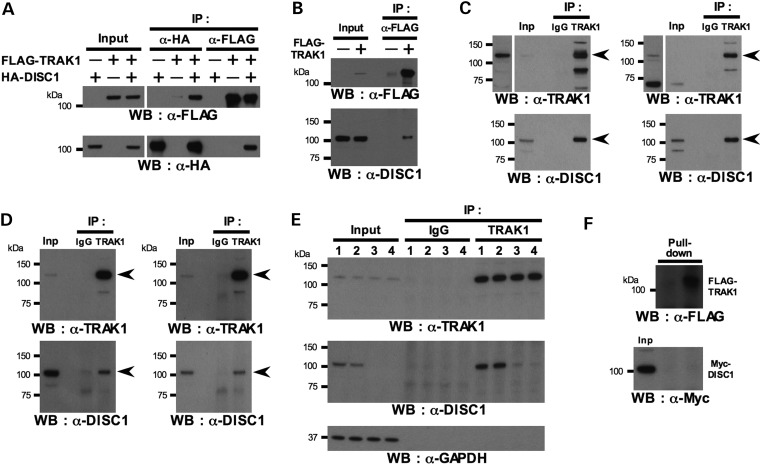
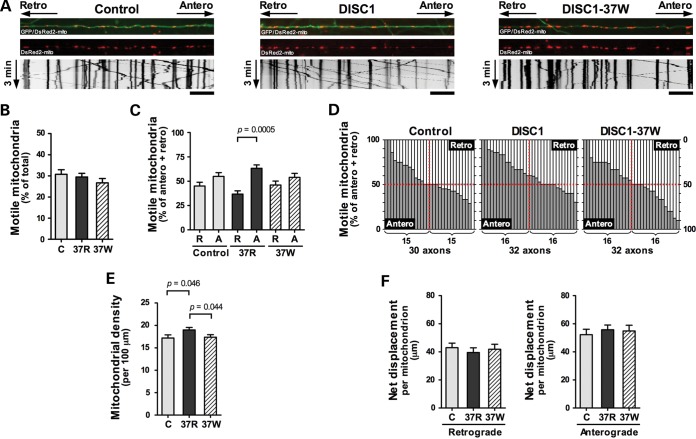
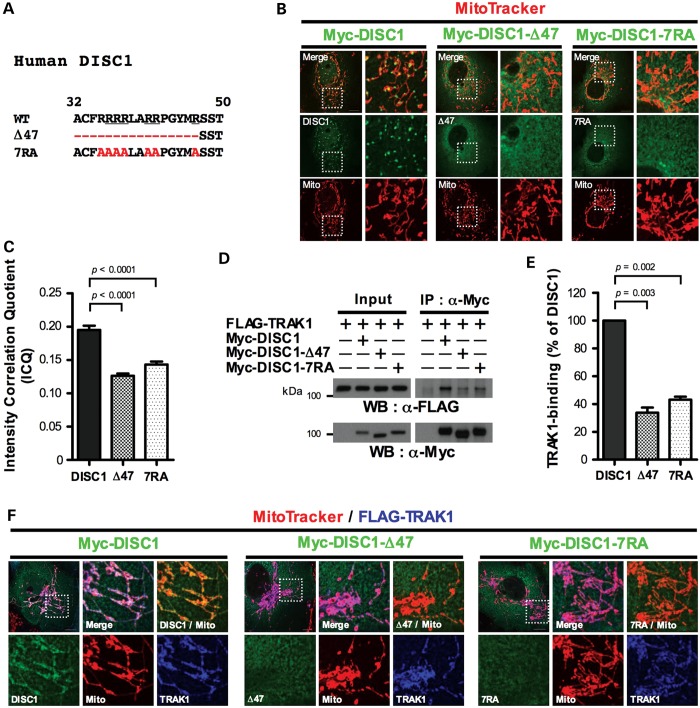
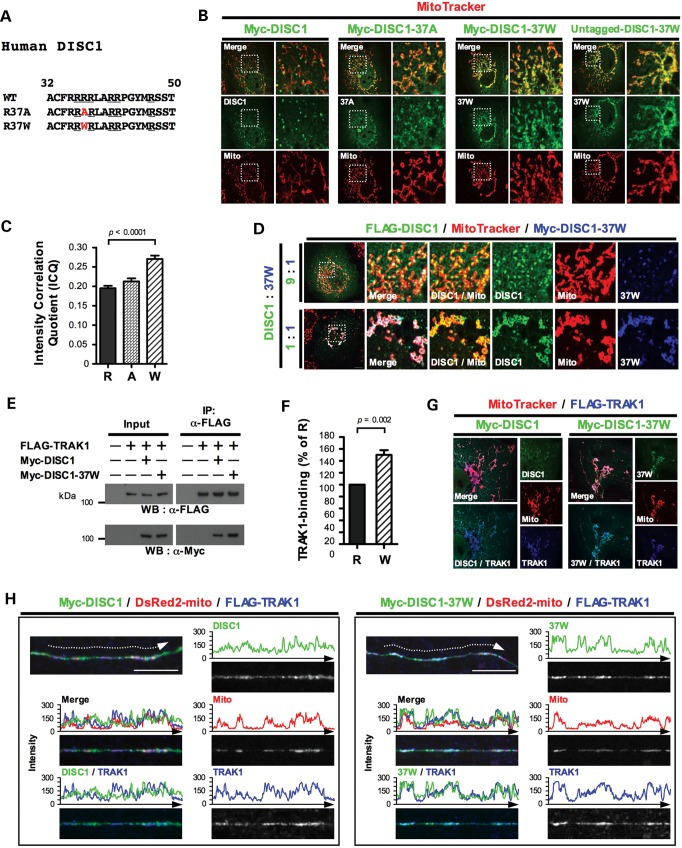
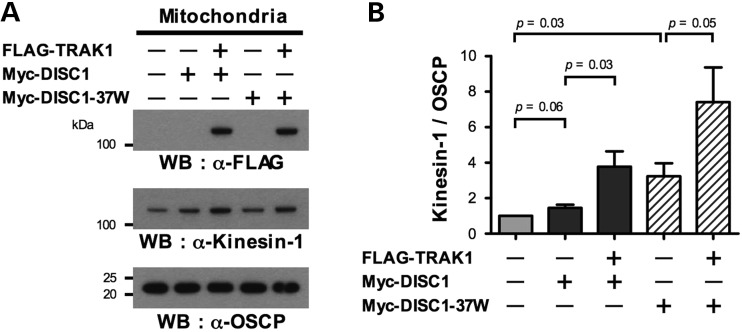
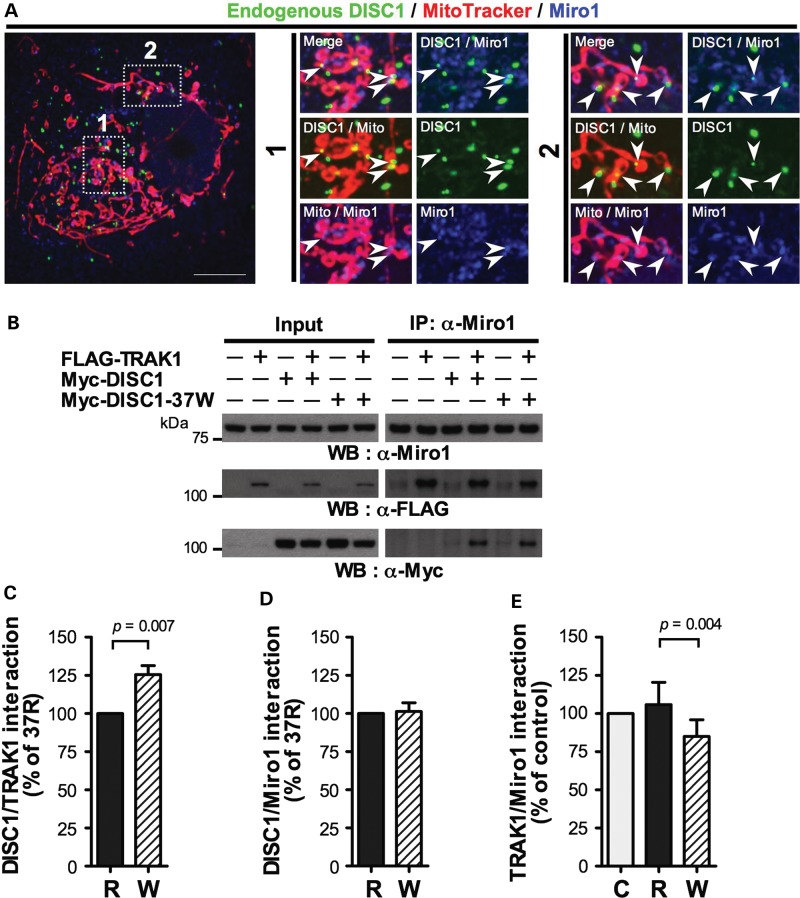
Disrupted-In-Schizophrenia 1 (DISC1) is a candidate risk factor for schizophrenia, bipolar disorder and severe recurrent depression. Here, we demonstrate that DISC1 associates robustly with trafficking-protein-Kinesin-binding-1 which is, in turn, known to interact with the outer mitochondrial membrane proteins Miro1/2, linking mitochondria to the kinesin motor for microtubule-based subcellular trafficking. DISC1 also associates with Miro1 and is thus a component of functional mitochondrial transport complexes. Consistent with these observations, in neuronal axons DISC1 promotes specifically anterograde mitochondrial transport. DISC1 thus participates directly in mitochondrial trafficking, which is essential for neural development and neurotransmission. Any factor affecting mitochondrial DISC1 function is hence likely to have deleterious consequences for the brain, potentially contributing to increased risk of psychiatric illness. Intriguingly, therefore, a rare putatively causal human DISC1 sequence variant, 37W, impairs the ability of DISC1 to promote anterograde mitochondrial transport. This is likely related to a number of mitochondrial abnormalities induced by expression of DISC1-37W, which redistributes mitochondrial DISC1 and enhances kinesin mitochondrial association, while also altering protein interactions within the mitochondrial transport complex.
精神分裂症相关蛋白 1(DISC1)是精神分裂症、双相情感障碍和重度复发性抑郁症的候选风险因素。在这里,我们证明 DISC1 与 trafficking-protein-Kinesin-binding-1 强烈相关,后者已知与线粒体的外膜蛋白 Miro1/2 相互作用,将线粒体与微管上的驱动蛋白连接起来,以进行基于微管的细胞内物质运输。DISC1 还与 Miro1 相关,因此是功能性线粒体运输复合物的组成部分。与这些观察结果一致,在神经元轴突中,DISC1 特异性促进线粒体的正向运输。因此,DISC1 直接参与线粒体运输,这对神经发育和神经传递至关重要。任何影响线粒体 DISC1 功能的因素都可能对大脑产生有害影响,从而增加患精神疾病的风险。因此,有趣的是,一种罕见的、可能具有因果关系的人类 DISC1 序列变异体 37W,损害了 DISC1 促进线粒体正向运输的能力。这可能与表达 DISC1-37W 诱导的许多线粒体异常有关,这些异常会重新分配线粒体 DISC1,并增强驱动蛋白与线粒体的结合,同时还改变线粒体运输复合物内的蛋白质相互作用。