School of Chemical Engineering, University of Birmingham, Birmingham, B15 2TT, UK.
Chem Soc Rev. 2013 Dec 21;42(24):9207-18. doi: 10.1039/c3cs60198f. Epub 2013 Oct 7.
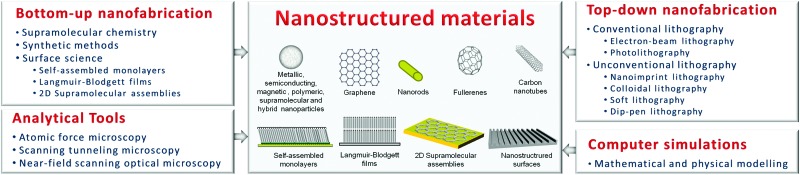
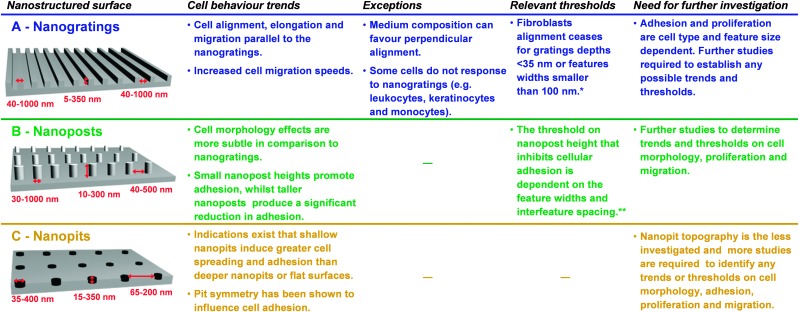
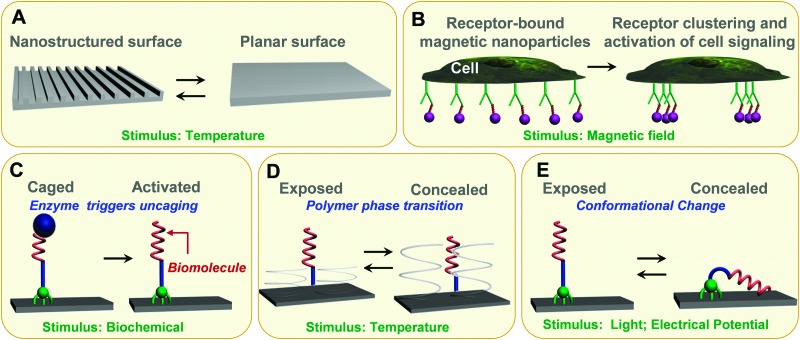
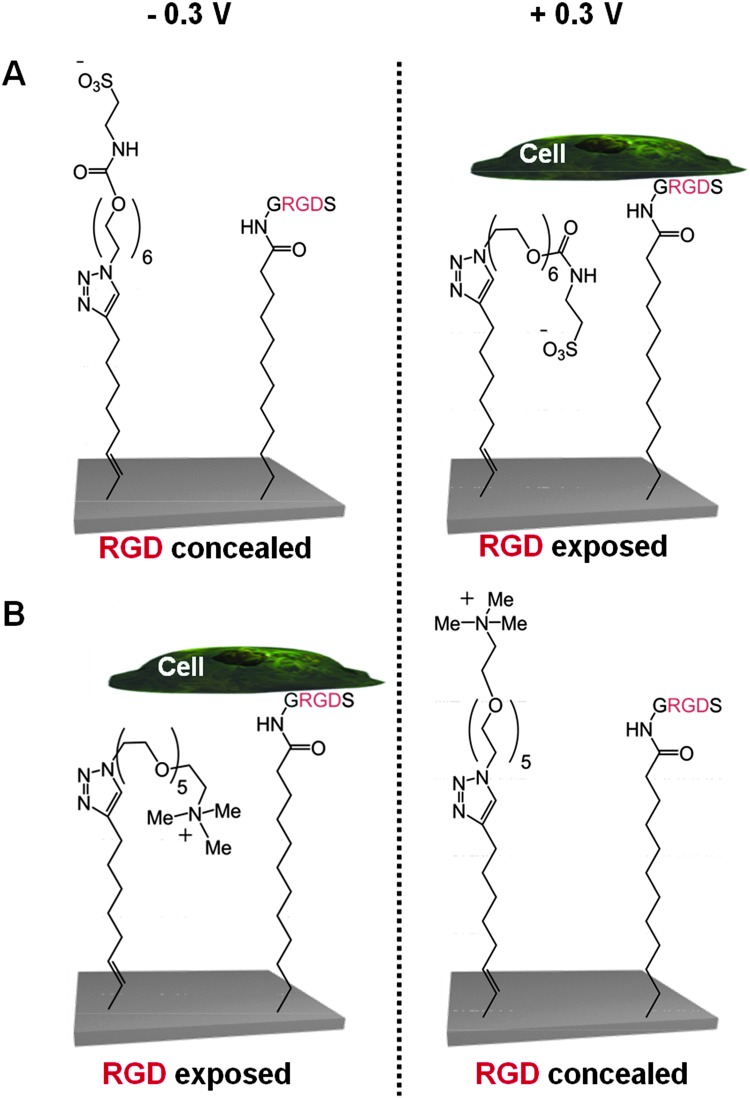
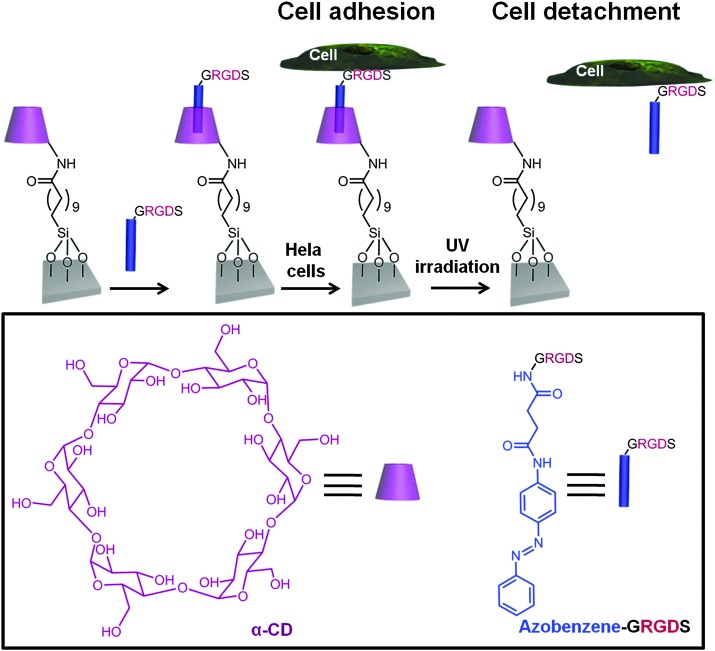
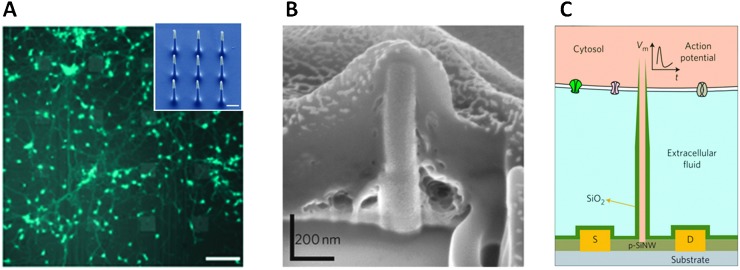
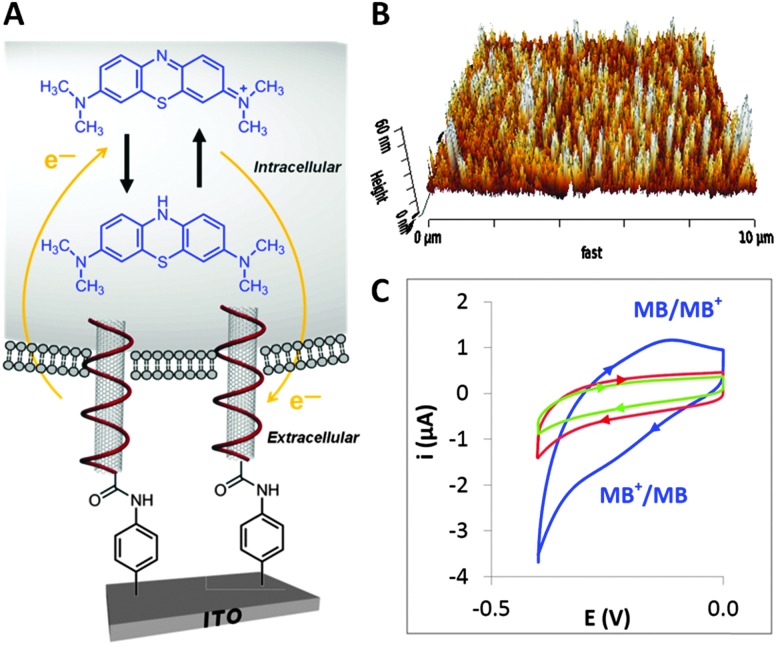
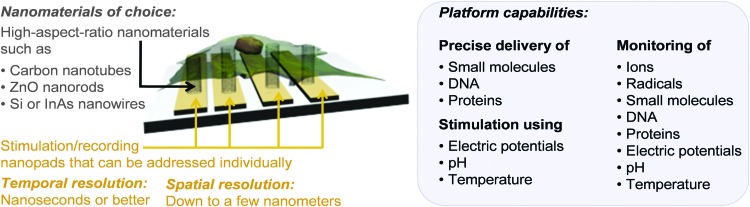
Recently, there has been an outburst of research on engineered cell-material interfaces driven by nanotechnology and its tools and techniques. This tutorial review begins by providing a brief introduction to nanostructured materials, followed by an overview of the wealth of nanoscale fabrication and analysis tools available for their development. This background serves as the basis for a discussion of early breakthroughs and recent key developments in the endeavour to develop nanostructured materials as smart interfaces for fundamental cellular studies, tissue engineering and regenerative medicine. The review covers three major aspects of nanostructured interfaces - nanotopographical control, dynamic behaviour and intracellular manipulation and sensing - where efforts are continuously being made to further understand cell function and provide new ways to control cell behaviour. A critical reflection of the current status and future challenges are discussed as a conclusion to the review.
最近,纳米技术及其工具和技术推动了对工程细胞-材料界面的研究热潮。本教程综述首先简要介绍了纳米结构材料,接着概述了大量可用于其开发的纳米级制造和分析工具。这一背景为讨论在努力将纳米结构材料开发为用于基础细胞研究、组织工程和再生医学的智能界面方面的早期突破和最近的关键进展提供了基础。本综述涵盖了纳米结构界面的三个主要方面——纳米形貌控制、动态行为以及细胞内操作和传感——人们一直在努力进一步了解细胞功能并提供控制细胞行为的新方法。作为综述的结论,对当前的状况和未来的挑战进行了批判性的反思。