Research Institute of the McGill University Health Centre, Montréal, Québec, Canada.
PLoS One. 2013 Oct 4;8(10):e76701. doi: 10.1371/journal.pone.0076701. eCollection 2013.
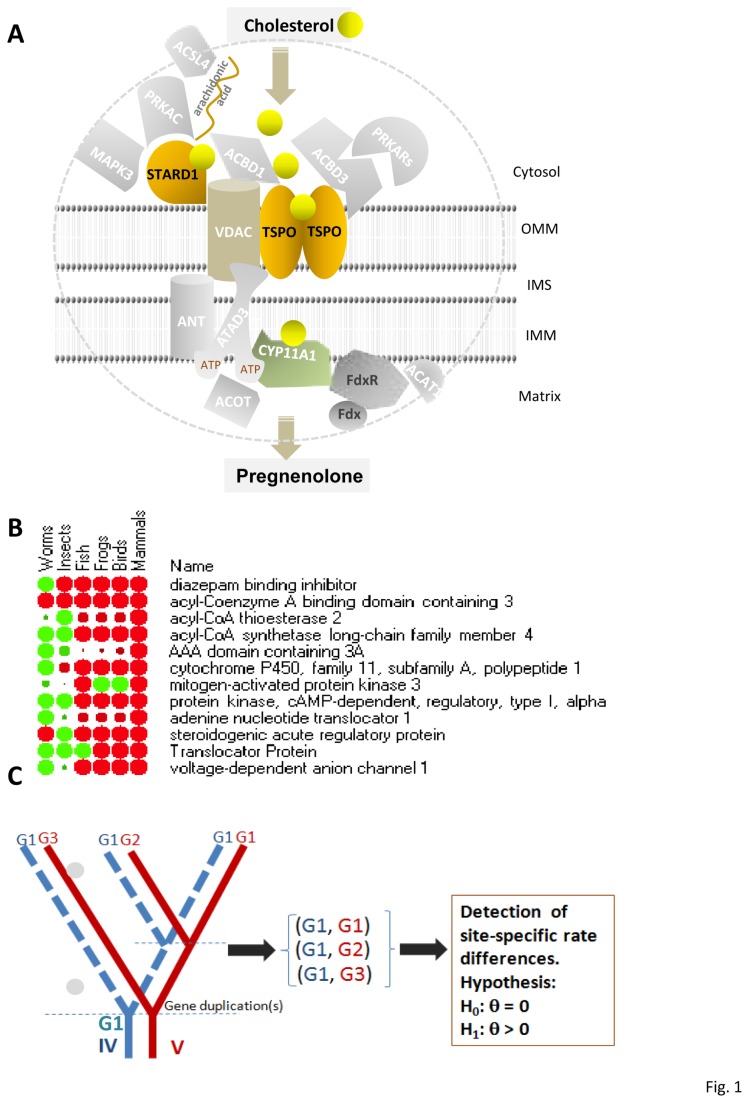
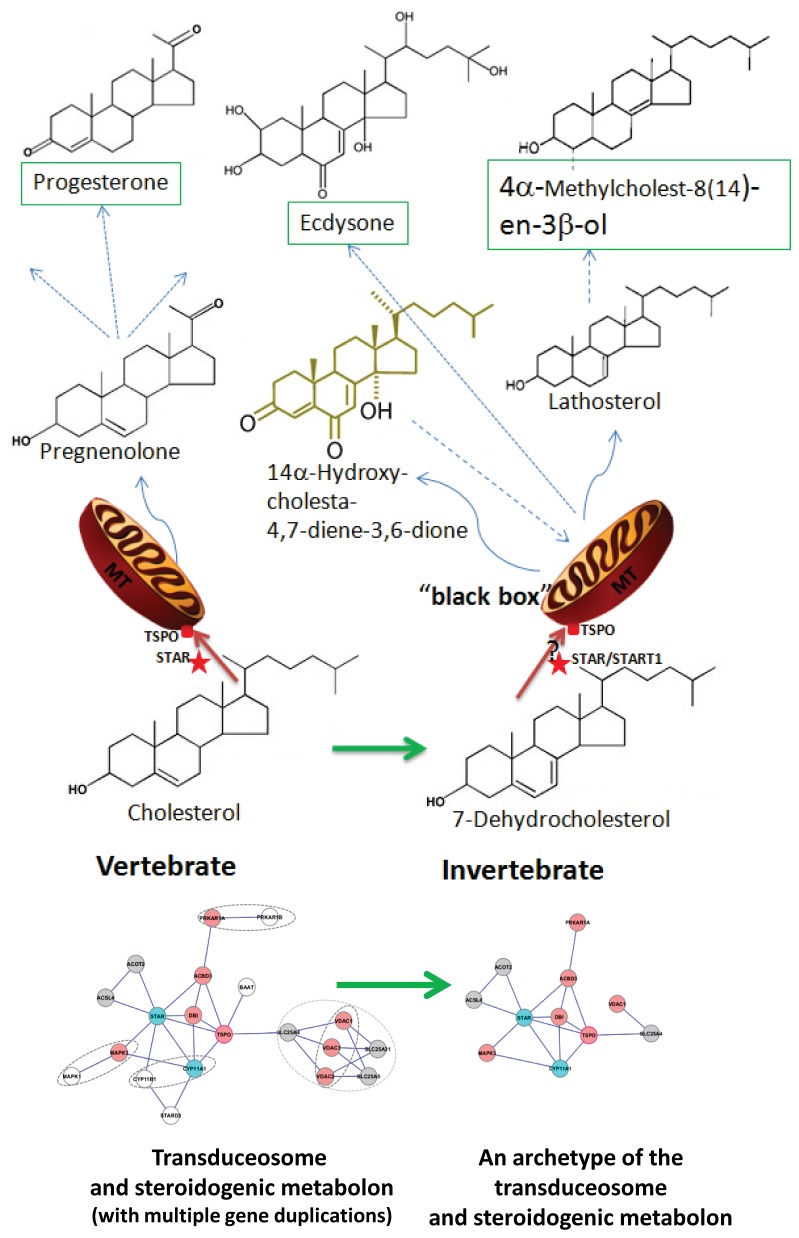
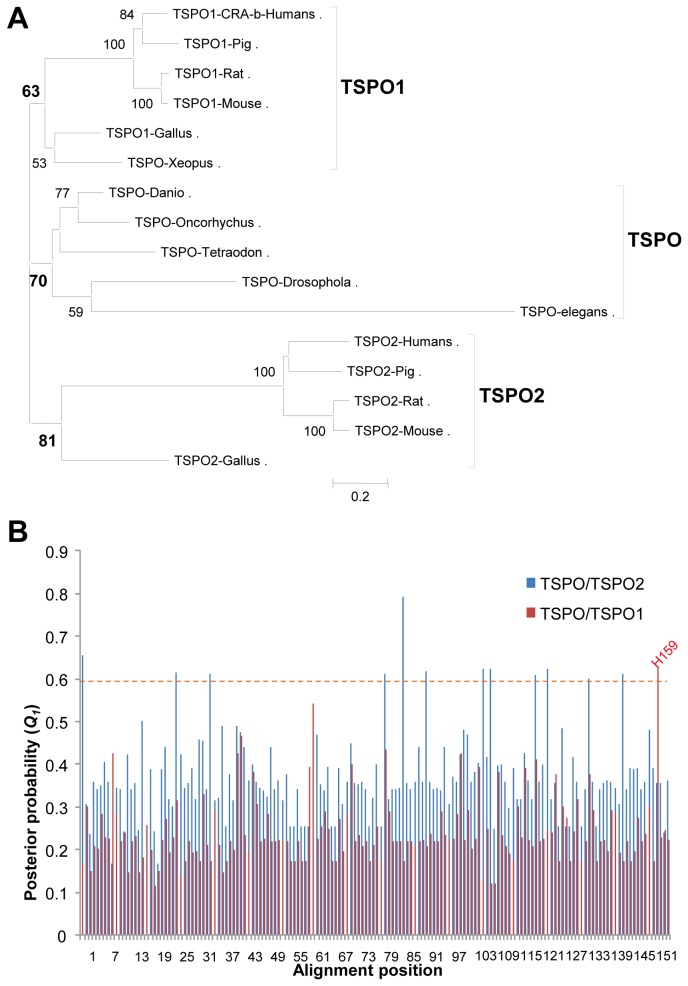
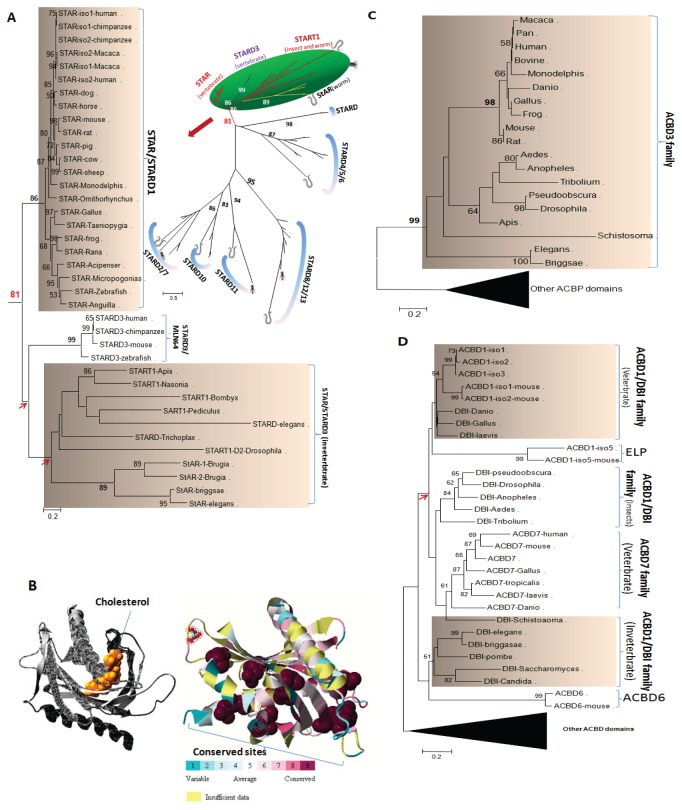
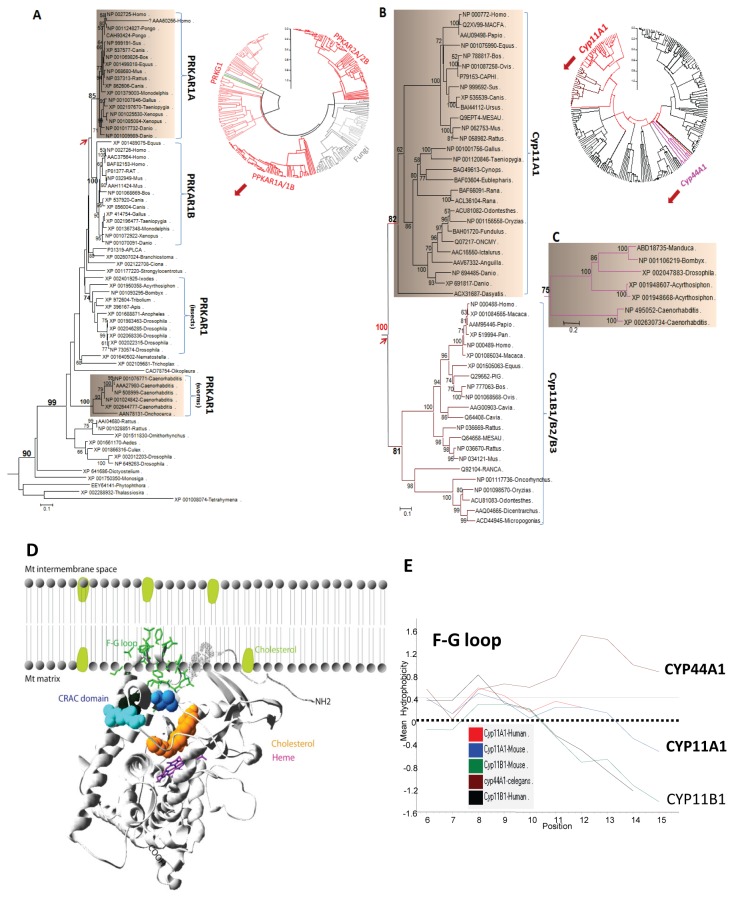
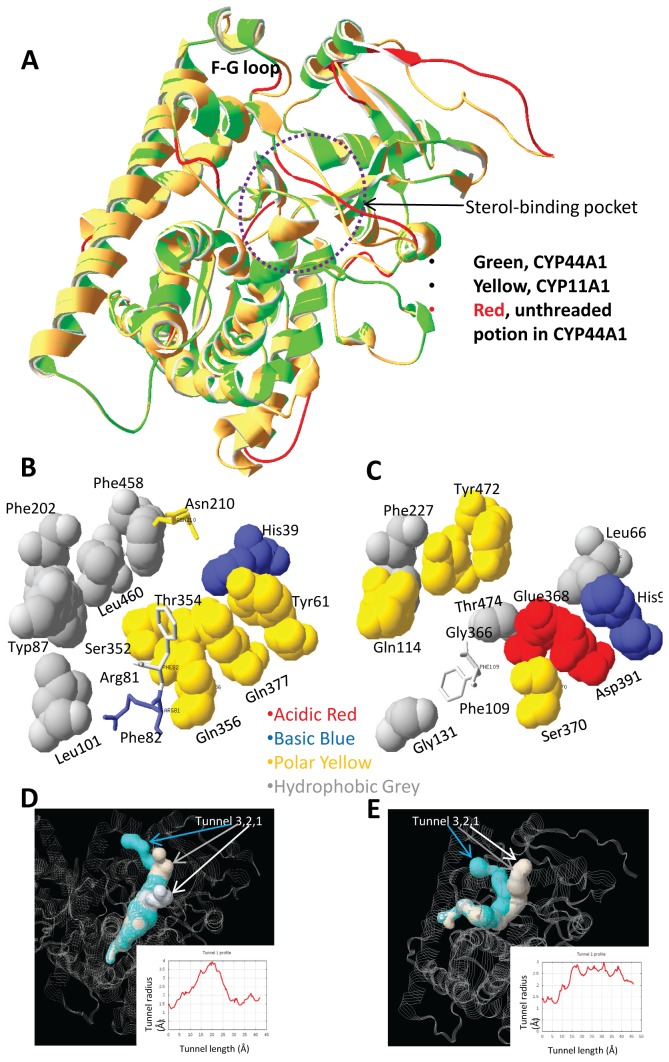
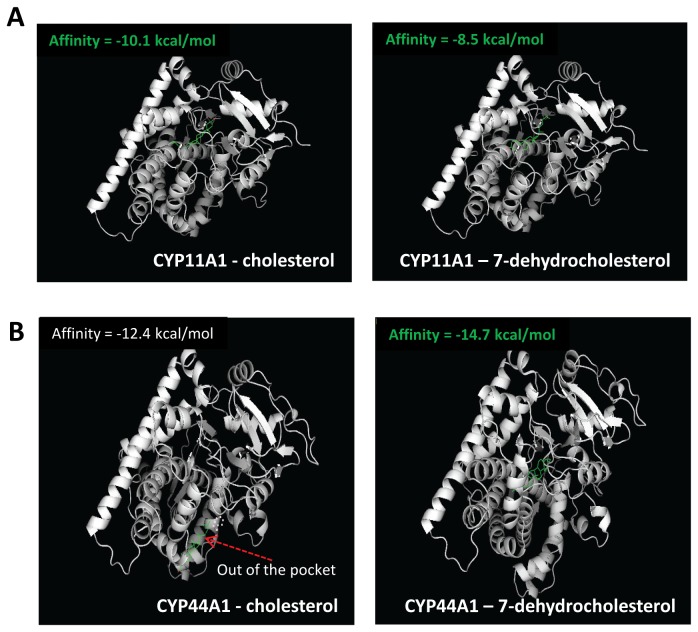
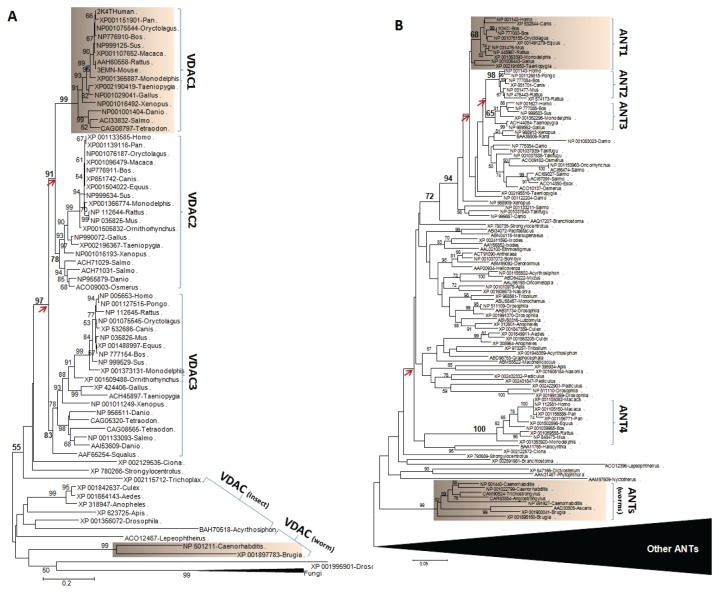
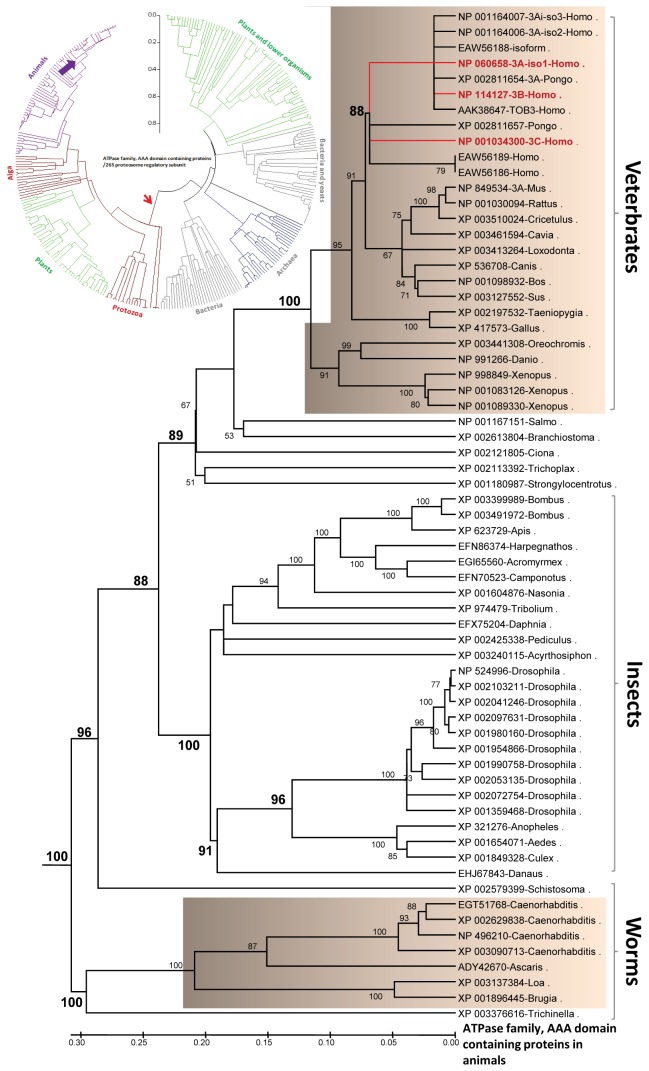
Steroidogenesis begins with the transport of cholesterol from intracellular stores into mitochondria via a series of protein-protein interactions involving cytosolic and mitochondrial proteins located at both the outer and inner mitochondrial membranes. In adrenal glands and gonads, this process is accelerated by hormones, leading to the production of high levels of steroids that control tissue development and function. A hormone-induced multiprotein complex, the transduceosome, was recently identified, and is composed of cytosolic and outer mitochondrial membrane proteins that control the rate of cholesterol entry into the outer mitochondrial membrane. More recent studies unveiled the steroidogenic metabolon, a bioactive, multimeric protein complex that spans the outer-inner mitochondrial membranes and is responsible for hormone-induced import, segregation, targeting, and metabolism of cholesterol by cytochrome P450 family 11 subfamily A polypeptide 1 (CYP11A1) in the inner mitochondrial membrane. The availability of genome information allowed us to systematically explore the evolutionary origin of the proteins involved in the mitochondrial cholesterol transport machinery (transduceosome, steroidogenic metabolon, and signaling proteins), trace the original archetype, and predict their biological functions by molecular phylogenetic and functional divergence analyses, protein homology modeling and molecular docking. Although most members of these complexes have a history of gene duplication and functional divergence during evolution, phylogenomic analysis revealed that all vertebrates have the same functional complex members, suggesting a common mechanism in the first step of steroidogenesis. An archetype of the complex was found in invertebrates. The data presented herein suggest that the cholesterol transport machinery is responsible for steroidogenesis among all vertebrates and is evolutionarily conserved throughout the entire animal kingdom.
胆固醇从细胞内储存库通过一系列涉及位于线粒体外膜和内膜的胞质和线粒体蛋白的蛋白-蛋白相互作用转运到线粒体,类固醇生成由此开始。在肾上腺和性腺中,这个过程被激素加速,导致高水平类固醇的产生,控制组织发育和功能。最近鉴定出一种激素诱导的多蛋白复合物——转导体,它由胞质和线粒体外膜蛋白组成,控制胆固醇进入线粒体外膜的速度。最近的研究揭示了类固醇生成代谢物,这是一种生物活性的、多聚体蛋白复合物,跨越线粒体外膜和内膜,负责激素诱导的胆固醇向内质网膜输入、分离、靶向和代谢,由细胞色素 P450 家族 11 亚家族 A 多肽 1(CYP11A1)在内质网膜中进行。基因组信息的可用性使我们能够系统地探索参与线粒体胆固醇转运机制(转导体、类固醇生成代谢物和信号蛋白)的蛋白质的进化起源,追踪原始原型,并通过分子系统发育和功能分化分析、蛋白质同源建模和分子对接预测其生物学功能。尽管这些复合物的大多数成员在进化过程中有基因复制和功能分化的历史,但系统基因组学分析表明,所有脊椎动物都具有相同的功能复合物成员,这表明类固醇生成的第一步存在共同机制。在无脊椎动物中发现了该复合物的原型。本文提供的数据表明,胆固醇转运机制负责所有脊椎动物的类固醇生成,并且在整个动物王国中进化保守。