Laboratory of Immunorheumatology and Tissue Regeneration/RAMSES, Rizzoli Orthopedic Institute, Bologna, Italy.
PLoS One. 2013 Oct 28;8(10):e77895. doi: 10.1371/journal.pone.0077895. eCollection 2013.
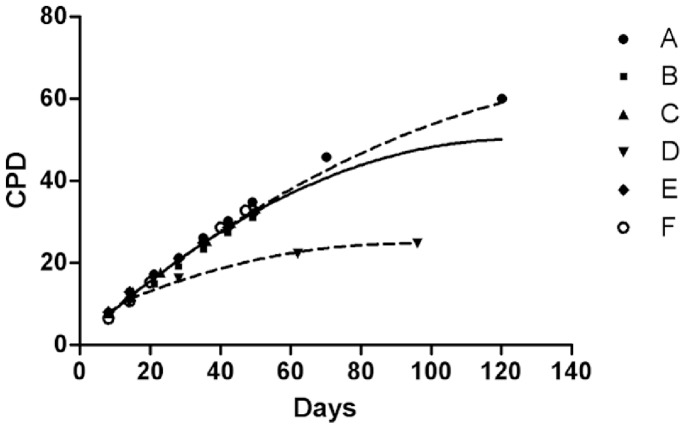
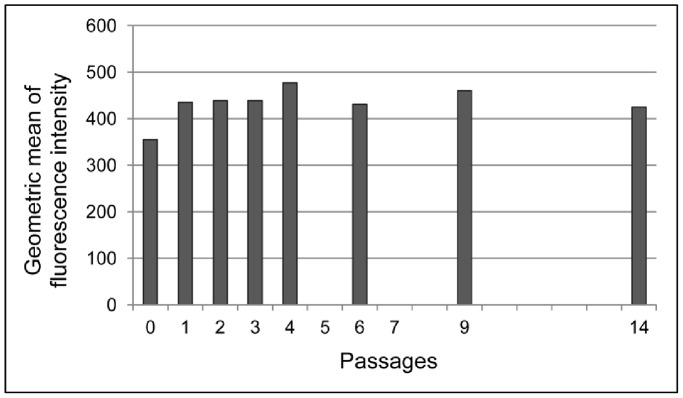
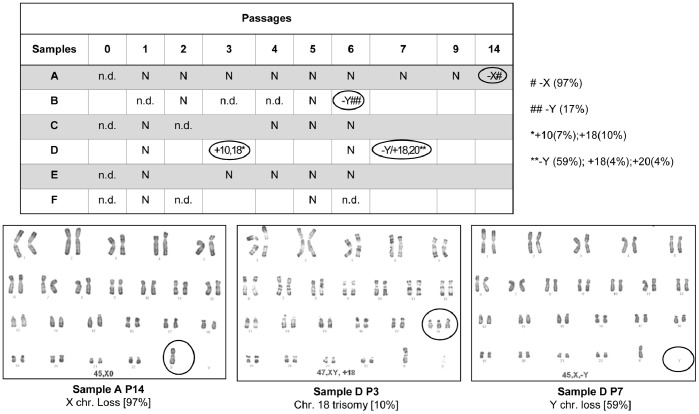
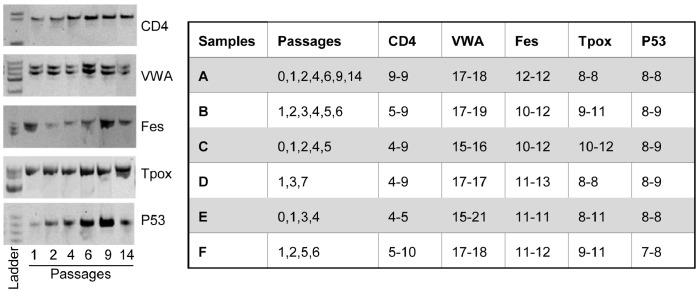
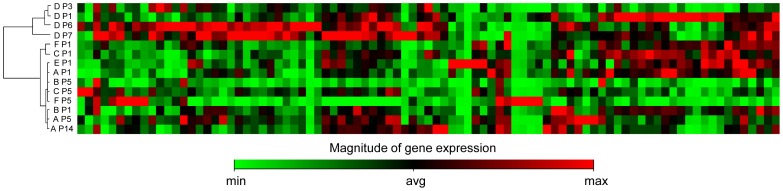
Mesenchymal stromal cells are emerging as an extremely promising therapeutic agent for tissue regeneration due to their multi-potency, immune-modulation and secretome activities, but safety remains one of the main concerns, particularly when in vitro manipulation, such as cell expansion, is performed before clinical application. Indeed, it is well documented that in vitro expansion reduces replicative potential and some multi-potency and promotes cell senescence. Furthermore, during in vitro aging there is a decrease in DNA synthesis and repair efficiency thus leading to DNA damage accumulation and possibly inducing genomic instability. The European Research Project ADIPOA aims at validating an innovative cell-based therapy where autologous adipose stromal cells (ASCs) are injected in the diseased articulation to activate regeneration of the cartilage. The primary objective of this paper was to assess the safety of cultured ASCs. The maintenance of genetic integrity was evaluated during in vitro culture by karyotype and microsatellite instability analysis. In addition, RT-PCR array-based evaluation of the expression of genes related to DNA damage signaling pathways was performed. Finally, the senescence and replicative potential of cultured cells was evaluated by telomere length and telomerase activity assessment, whereas anchorage-independent clone development was tested in vitro by soft agar growth. We found that cultured ASCs do not show genetic alterations and replicative senescence during the period of observation, nor anchorage-independent growth, supporting an argument for the safety of ASCs for clinical use.
间充质基质细胞由于其多能性、免疫调节和分泌活动,正在成为组织再生极具前景的治疗剂,但安全性仍然是主要关注点之一,尤其是在体外操作,如细胞扩增,在临床应用之前进行时。事实上,有充分的文献记载表明,体外扩增会降低复制潜能和一些多能性,并促进细胞衰老。此外,在体外衰老过程中,DNA 合成和修复效率会降低,从而导致 DNA 损伤的积累,并可能导致基因组不稳定。欧洲研究项目 ADIPOA 的目的是验证一种创新的基于细胞的疗法,即将自体脂肪基质细胞 (ASCs) 注射到患病关节中,以激活软骨的再生。本文的主要目的是评估培养的 ASCs 的安全性。通过核型和微卫星不稳定性分析评估体外培养过程中的遗传完整性。此外,还通过基于 RT-PCR 阵列的方法评估了与 DNA 损伤信号通路相关的基因表达。最后,通过端粒长度和端粒酶活性评估来评估培养细胞的衰老和复制潜能,而通过软琼脂生长体外测试锚定非依赖性克隆的发育。我们发现,培养的 ASCs 在观察期间没有表现出遗传改变和复制衰老,也没有锚定非依赖性生长,这支持了 ASCs 用于临床应用的安全性论点。