Department of Neurology, University of Lübeck, Ratzeburger Allee 160, Lübeck 23538, Germany.
BMC Neurosci. 2013 Nov 23;14:149. doi: 10.1186/1471-2202-14-149.
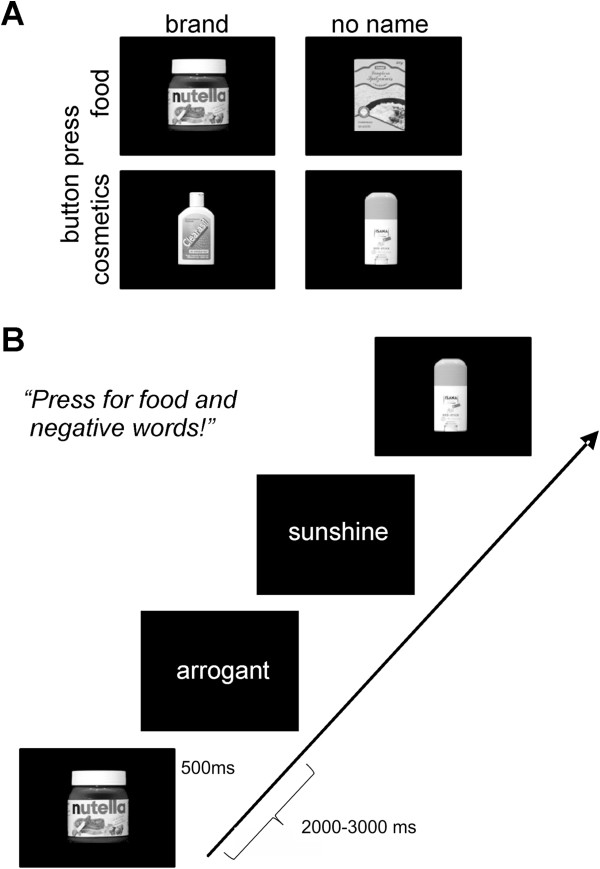
Brands create product personalities that are thought to affect consumer decisions. Here we assessed, using the Go/No-go Association Task (GNAT) from social psychology, whether brands as opposed to no-name products are associated with implicit positive attitudes. Healthy young German participants viewed series of photos of cosmetics and food items (half of them brands) intermixed with positive and negative words. In any given run, one category of goods (e.g., cosmetics) and one kind of words (e.g., positive) had to be responded to, whereas responses had to be withheld for the other categories. Event-related brain potentials were recorded during the task.
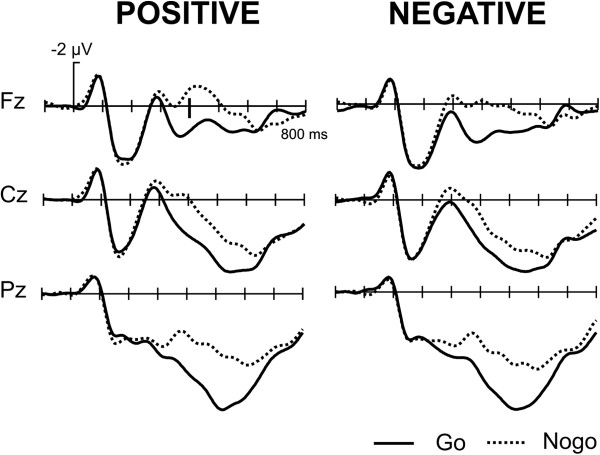
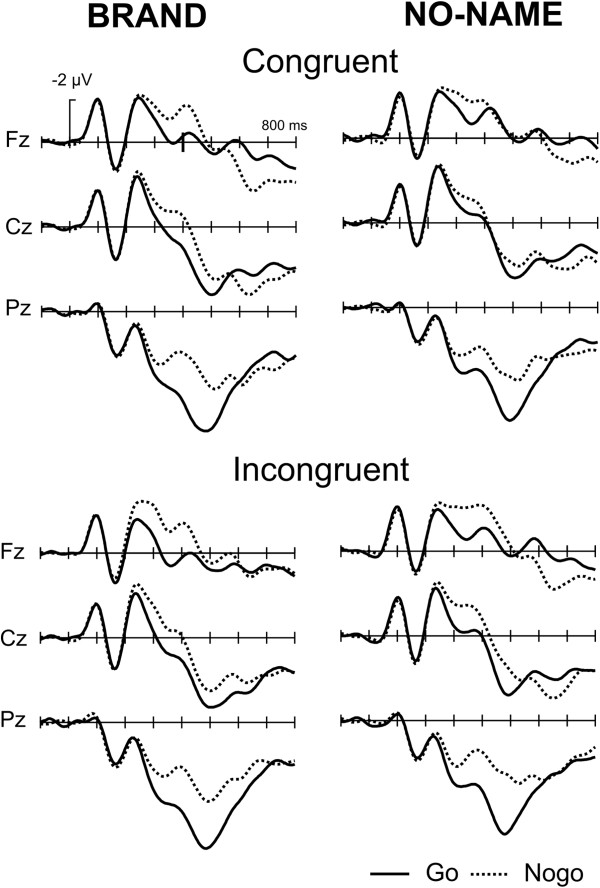
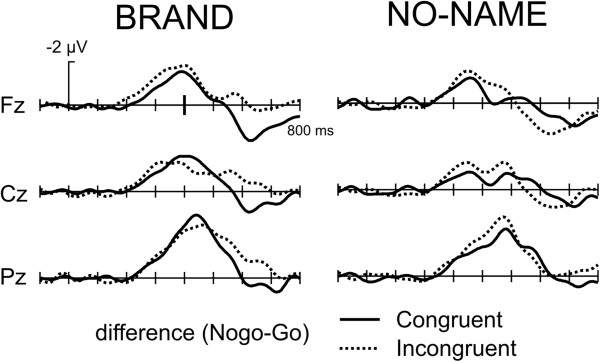
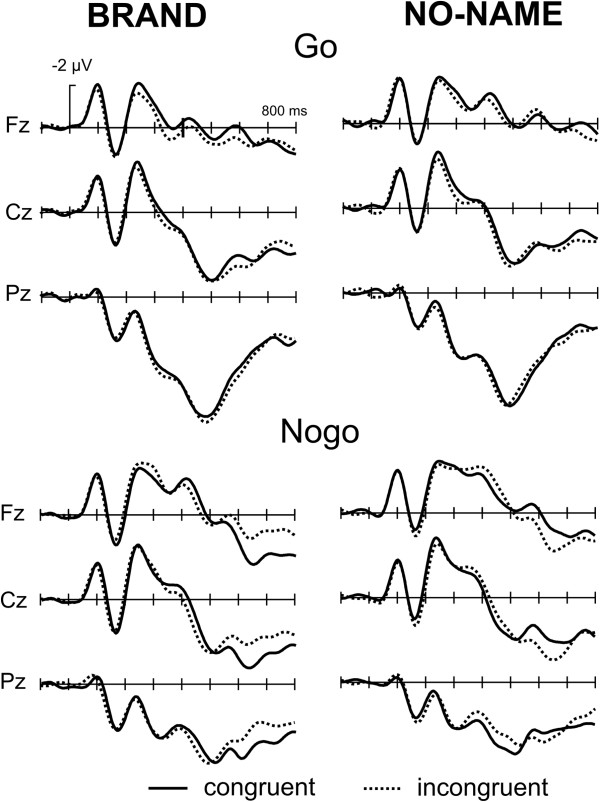
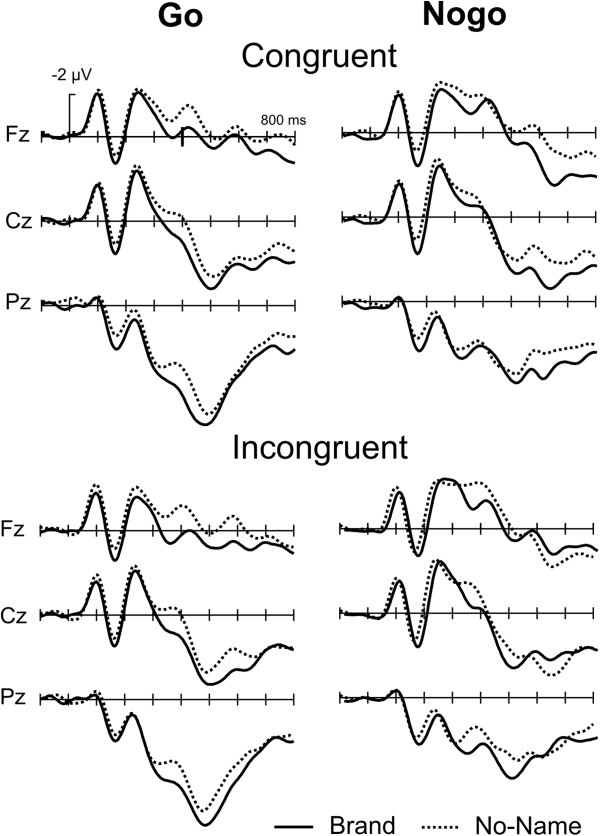
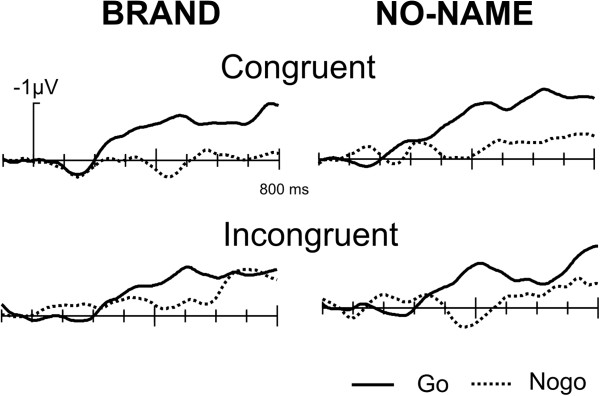
Unexpectedly, there were no response-time differences between congruent (brand and positive words) and incongruent (brand and negative words) pairings but ERPs showed differences as a function of congruency in the 600-750 ms time-window hinting at the existence of implicit attitudes towards brand and no-name stimuli. This finding deserves further investigation in future studies. Moreover, the amplitude of the late positive component (LPC) was found to be enhanced for brand as opposed to no-name stimuli.
Congruency effects suggest that ERPs are sensitive to implicit attitudes. Moreover, the results for the LPC imply that pictures of brand products are more arousing than those of no-name products, which may ultimately contribute to consumer decisions.
品牌塑造的产品个性被认为会影响消费者的决策。在这里,我们使用社会心理学中的 Go/No-go 联想任务(GNAT)来评估品牌是否与无名产品相关联,从而产生隐含的积极态度。健康的德国年轻参与者观看了一系列化妆品和食品的照片(其中一半是品牌),这些照片与正面和负面的词语混合在一起。在任何给定的运行中,都必须对一类商品(例如化妆品)和一类词语(例如正面)做出反应,而对其他类别的词语则必须保持不反应。在任务期间记录了事件相关的脑电位。
出乎意料的是,在一致(品牌和正面词语)和不一致(品牌和负面词语)配对之间没有反应时间差异,但 ERP 显示出在 600-750 毫秒时间窗口中与一致性相关的差异,这表明对品牌和无名刺激存在隐含的态度。这一发现值得在未来的研究中进一步探讨。此外,发现与无名刺激相比,品牌刺激的晚期正成分(LPC)的振幅增强。
一致性效应表明,ERP 对隐含态度敏感。此外,LPC 的结果表明,品牌产品的图片比无名产品更能引起人们的兴趣,这最终可能会影响消费者的决策。