Department of Genomic and Applied Microbiology & Göttingen Genomics Laboratory, Institut für Mikrobiologie und Genetik, Norddeutsches Zentrum für Mikrobielle Genomforschung, Georg-August-Universität Göttingen, Grisebachstr, 8, D-37077 Göttingen, Germany.
Microb Cell Fact. 2013 Dec 6;12:120. doi: 10.1186/1475-2859-12-120.
Industrial fermentations can generally be described as dynamic biotransformation processes in which microorganisms convert energy rich substrates into a desired product. The knowledge of active physiological pathways, reflected by corresponding gene activities, allows the identification of beneficial or disadvantageous performances of the microbial host. Whole transcriptome RNA-Seq is a powerful tool to accomplish in-depth quantification of these gene activities, since the low background noise and the absence of an upper limit of quantification allow the detection of transcripts with high dynamic ranges. Such data enable the identification of potential bottlenecks and futile energetic cycles, which in turn can lead to targets for rational approaches to productivity improvement. Here we present an overview of the dynamics of gene activity during an industrial-oriented fermentation process with Bacillus licheniformis, an important industrial enzyme producer. Thereby, valuable insights which help to understand the complex interactions during such processes are provided.
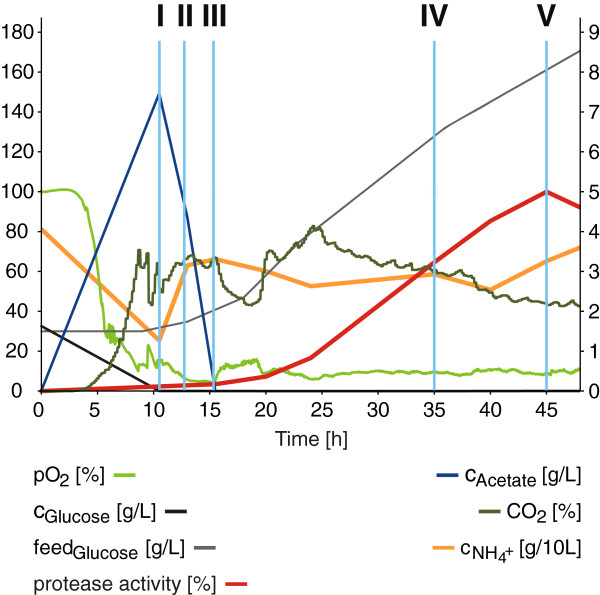
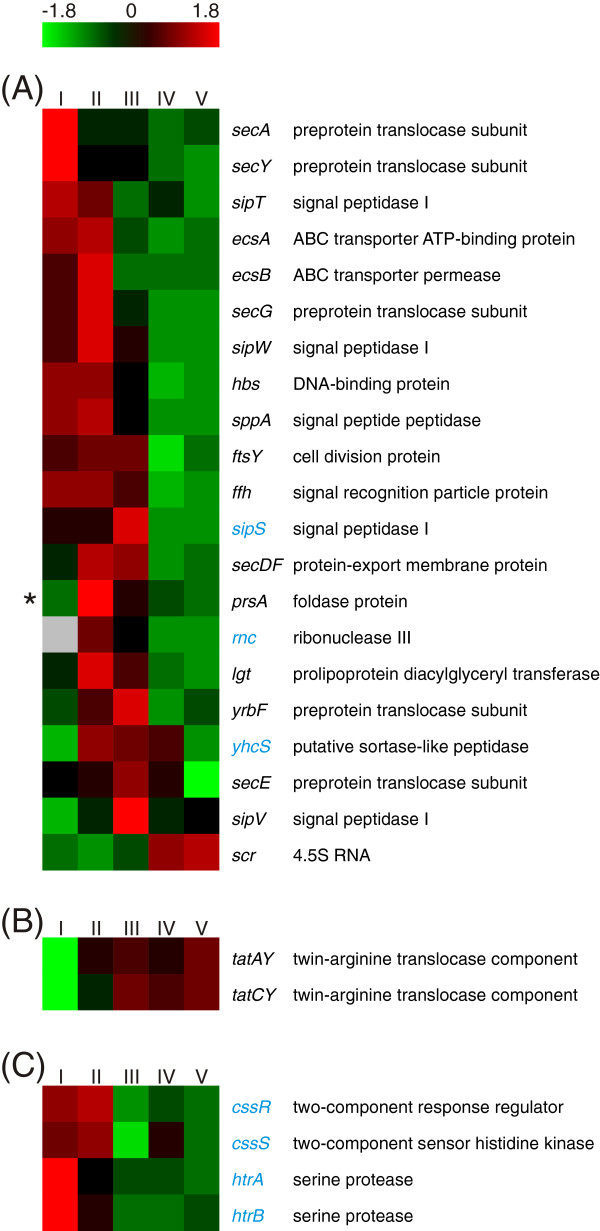
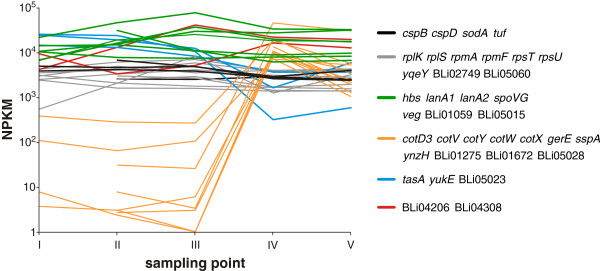
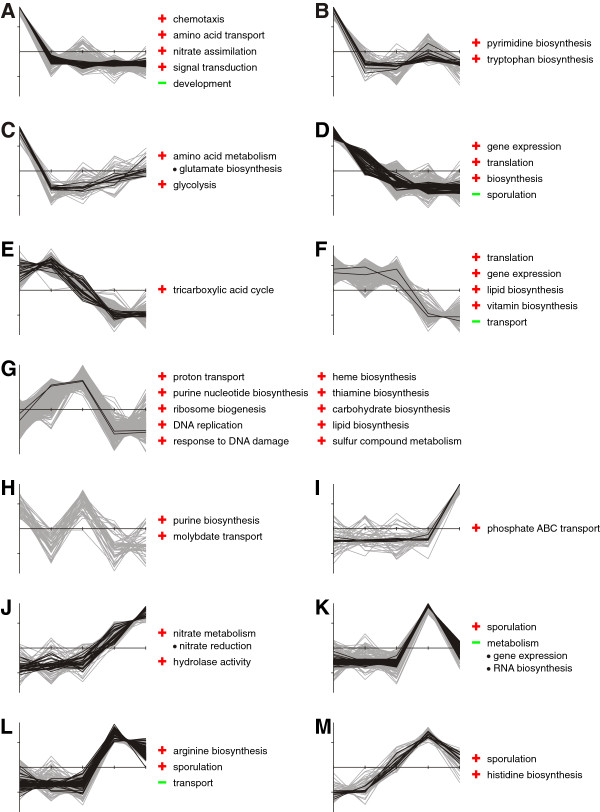
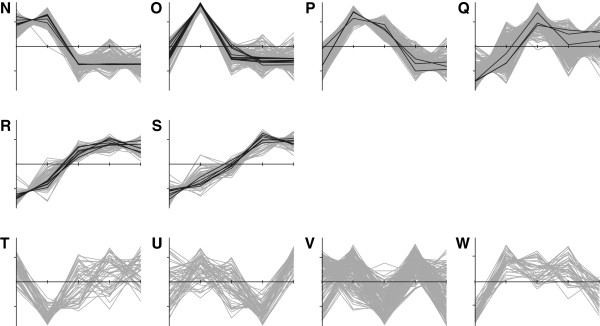
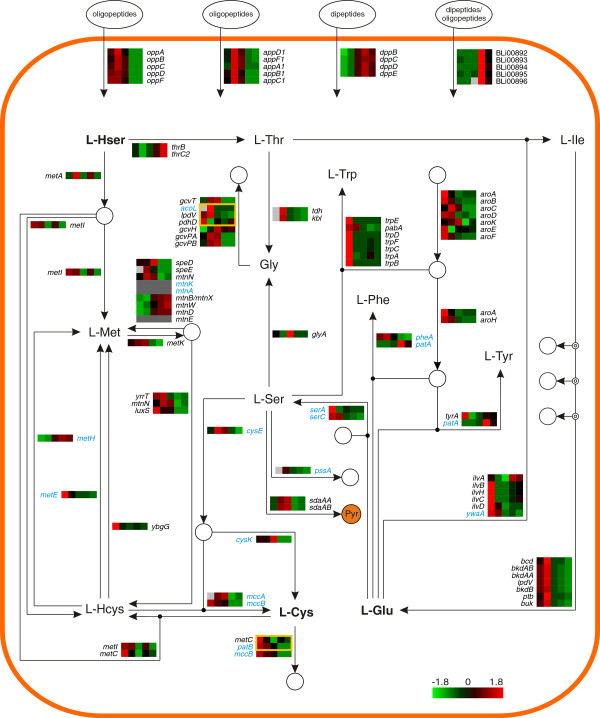
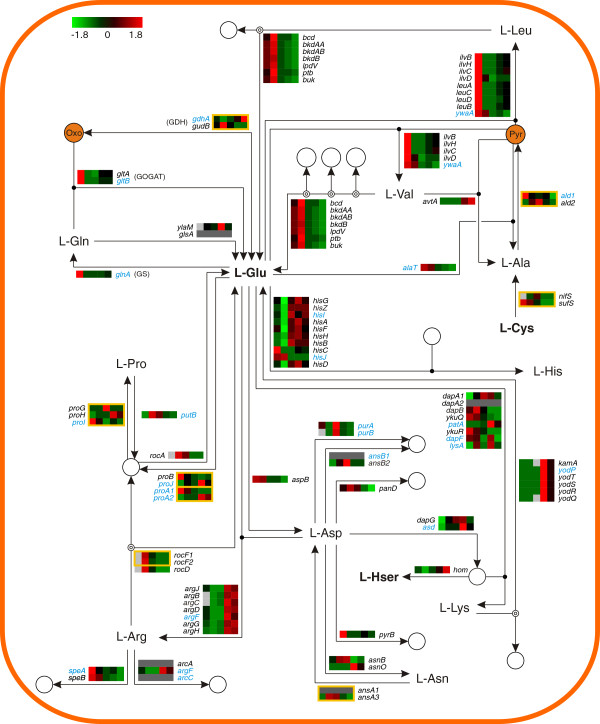
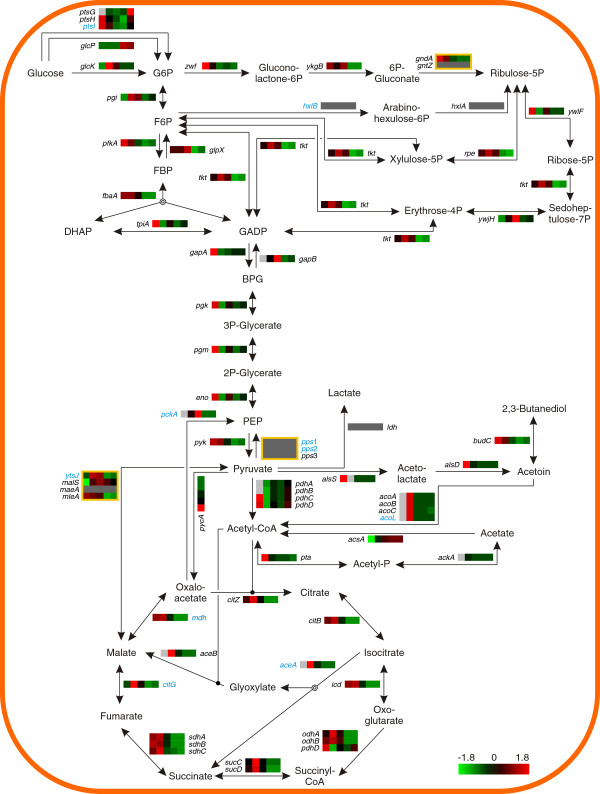
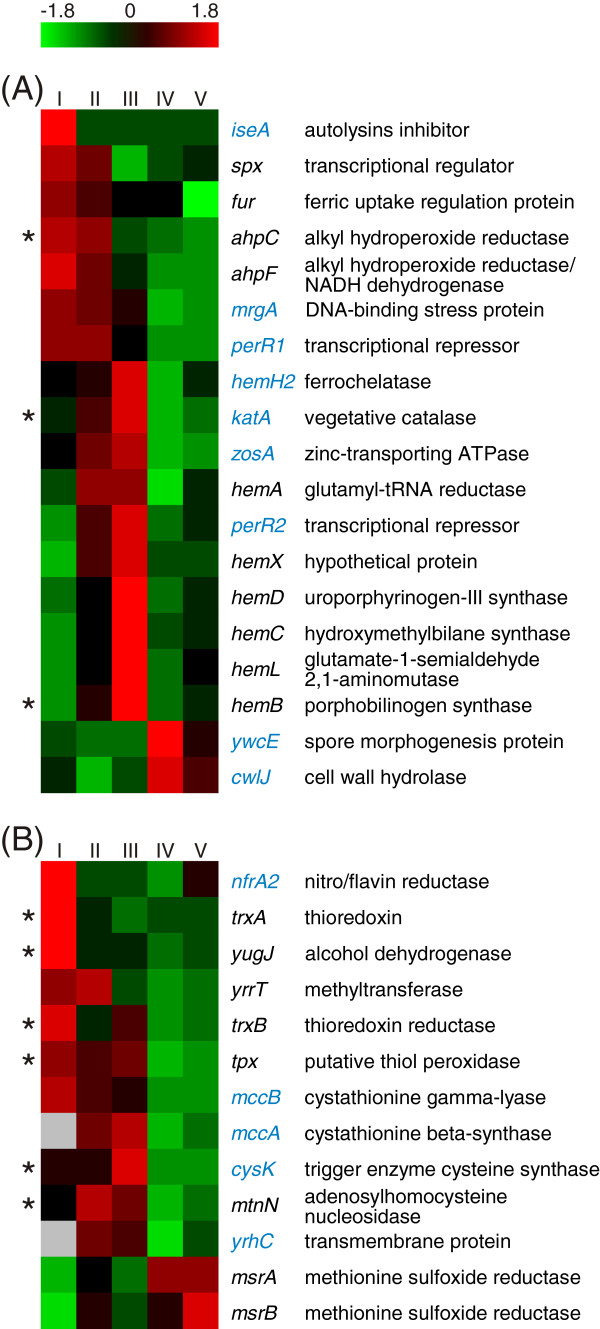
Whole transcriptome RNA-Seq has been performed to study the gene expression at five selected growth stages of an industrial-oriented protease production process employing a germination deficient derivative of B. licheniformis DSM13. Since a significant amount of genes in Bacillus strains are regulated posttranscriptionally, the generated data have been confirmed by 2D gel-based proteomics. Regulatory events affecting the coordinated activity of hundreds of genes have been analyzed. The data enabled the identification of genes involved in the adaptations to changing environmental conditions during the fermentation process. A special focus of the analyses was on genes contributing to central carbon metabolism, amino acid transport and metabolism, starvation and stress responses and protein secretion. Genes contributing to lantibiotics production and Tat-dependent protein secretion have been pointed out as potential optimization targets.
The presented data give unprecedented insights into the complex adaptations of bacterial production strains to the changing physiological demands during an industrial-oriented fermentation. These are, to our knowledge, the first publicly available data that document quantifiable transcriptional responses of the commonly employed production strain B. licheniformis to changing conditions over the course of a typical fermentation process in such extensive depth.
工业发酵通常可以被描述为动态生物转化过程,其中微生物将富含能量的底物转化为所需的产物。通过相应基因活性反映的活跃生理途径的知识,可以识别微生物宿主的有益或不利表现。全转录组 RNA-Seq 是一种强大的工具,可以实现这些基因活性的深度定量,因为低背景噪声和没有定量上限允许检测具有高动态范围的转录物。此类数据可用于识别潜在的瓶颈和无效能量循环,进而可以为提高生产力的合理方法提供目标。在这里,我们介绍了使用地衣芽孢杆菌进行工业定向发酵过程中基因活性动态的概述,地衣芽孢杆菌是一种重要的工业酶生产菌。由此提供了有助于理解此类过程中复杂相互作用的有价值的见解。
全转录组 RNA-Seq 已用于研究工业定向蛋白酶生产过程中五个选定生长阶段的基因表达,该过程使用地衣芽孢杆菌 DSM13 的发芽缺陷衍生物。由于芽孢杆菌菌株中的大量基因是在转录后进行调节的,因此通过 2D 凝胶基蛋白质组学对生成的数据进行了确认。已经分析了影响数百个基因协调活性的调节事件。该数据使我们能够鉴定与发酵过程中环境条件变化相关的基因。分析的重点特别放在参与中央碳代谢、氨基酸运输和代谢、饥饿和应激反应以及蛋白质分泌的基因上。指出参与类细菌素生产和 Tat 依赖蛋白分泌的基因是潜在的优化目标。
所提供的数据前所未有地深入了解了细菌生产菌株在工业定向发酵过程中对不断变化的生理需求的复杂适应。据我们所知,这些是首批公开可用的数据,记录了常用生产菌株地衣芽孢杆菌在典型发酵过程中对不断变化的条件的可量化转录反应,其深度前所未有。