Division of Pathogenic Biochemistry, Institute of Natural Medicine, University of Toyama, Toyama, Japan.
Cancer Sci. 2014 Mar;105(3):281-9. doi: 10.1111/cas.12336. Epub 2014 Jan 29.
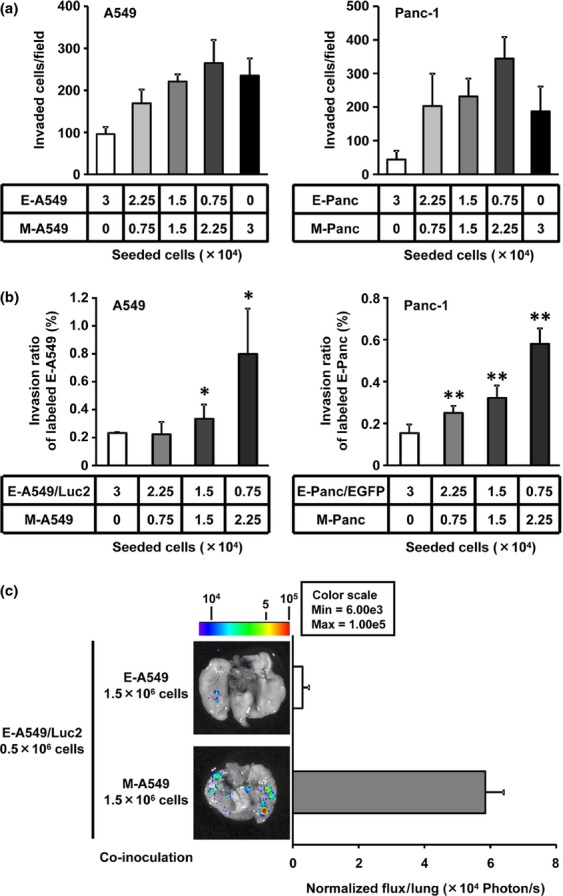
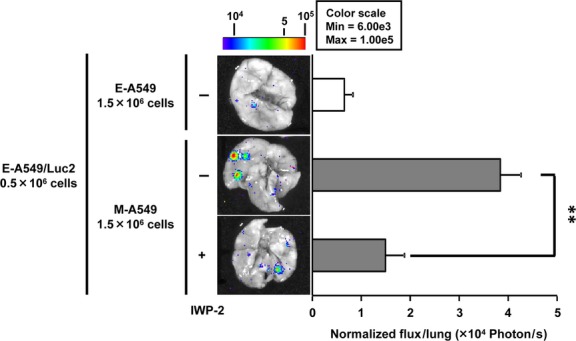
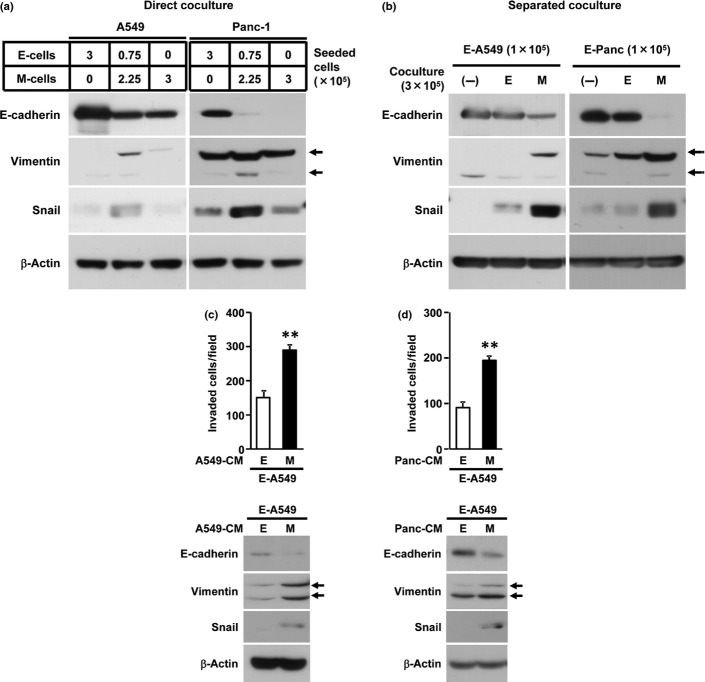
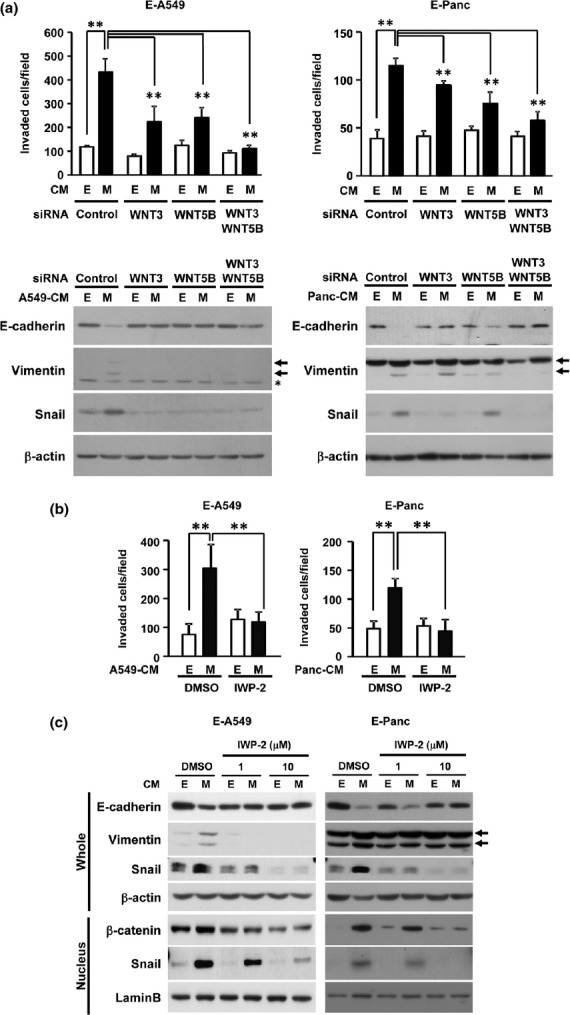
Although the heterogeneities of epithelial and mesenchymal-transitioned cancer cells are often observed within the tumor microenvironment, the biological significance of the interaction between epithelial cancer cells and mesenchymal-transitioned cancer cells is not yet understood. In this study, we show that the mesenchymal-transitioned cancer cells instigate the invasive ability and metastatic potential of the neighboring epithelial cancer cells in vitro and in vivo. We identify WNT3 and WNT5B as critical factors secreted from Transforming growth factor-induced mesenchymal cancer cells for instigating the epithelial cancer cell invasion along with the induction of secondary EMT phenotype. These results shed light on the significance of cancer heterogeneity and the interaction between epithelial and mesenchymal-transitioned cancer cells within the tumor microenvironment in promoting metastatic disease through the WNT-dependent mechanism.
尽管上皮细胞和间充质转化癌细胞的异质性在肿瘤微环境中经常被观察到,但上皮细胞和间充质转化癌细胞之间相互作用的生物学意义尚不清楚。在这项研究中,我们表明间充质转化癌细胞在体外和体内诱导相邻上皮癌细胞的侵袭能力和转移潜能。我们发现,转化生长因子诱导的间充质癌细胞分泌的 WNT3 和 WNT5B 是关键因子,可诱导上皮癌细胞侵袭,并诱导次级 EMT 表型。这些结果阐明了肿瘤微环境中癌症异质性和上皮细胞与间充质转化癌细胞之间相互作用的意义,通过 WNT 依赖性机制促进转移性疾病。