Institute of Materials Engineering, National Taiwan Ocean University, Keelung 20224, Taiwan.
Nanoscale Res Lett. 2013 Dec 19;8(1):537. doi: 10.1186/1556-276X-8-537.
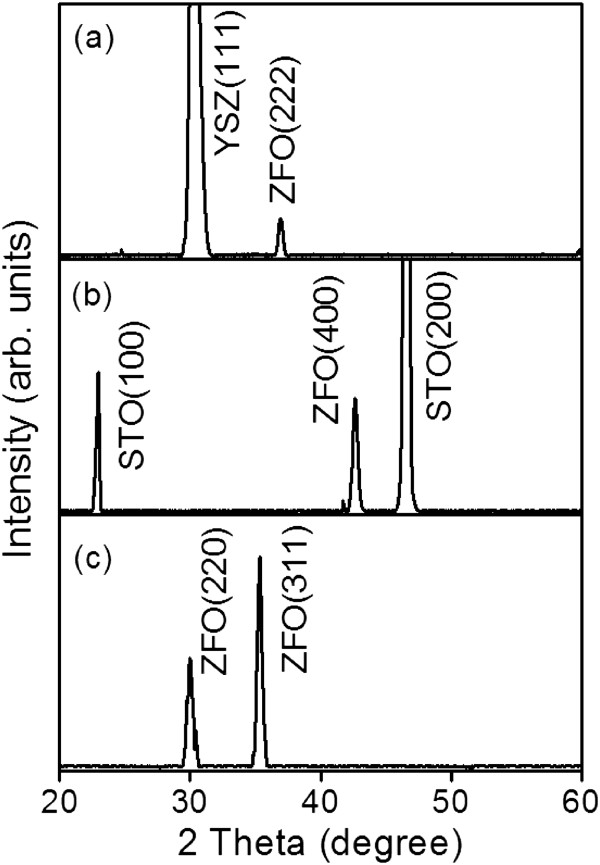
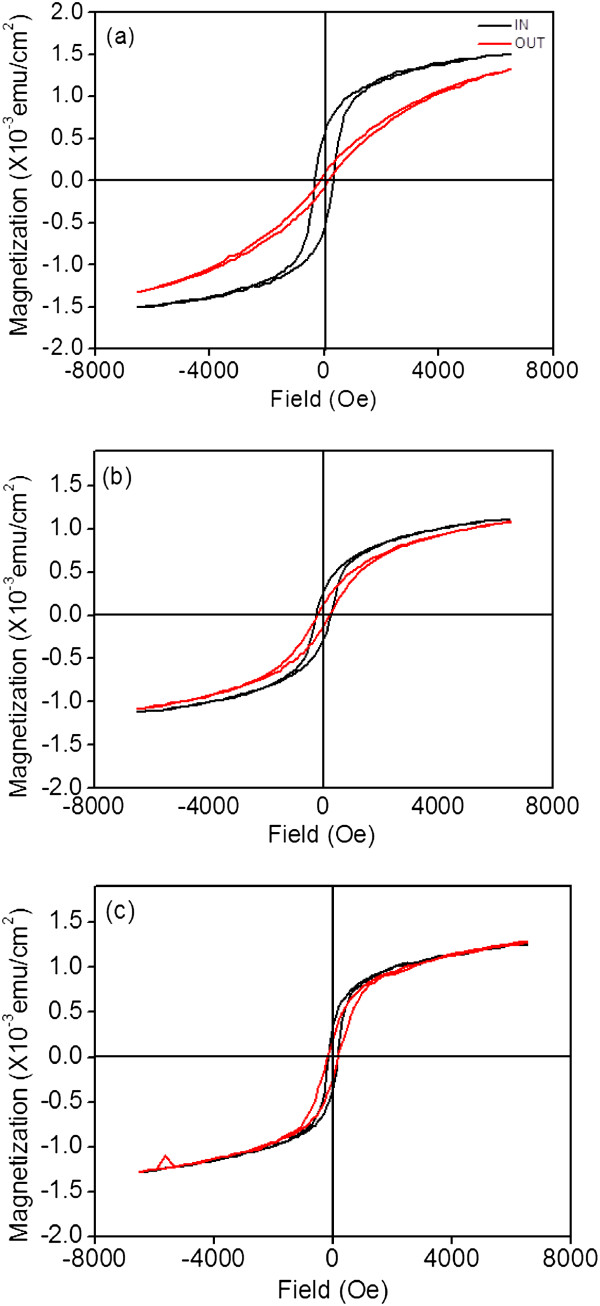
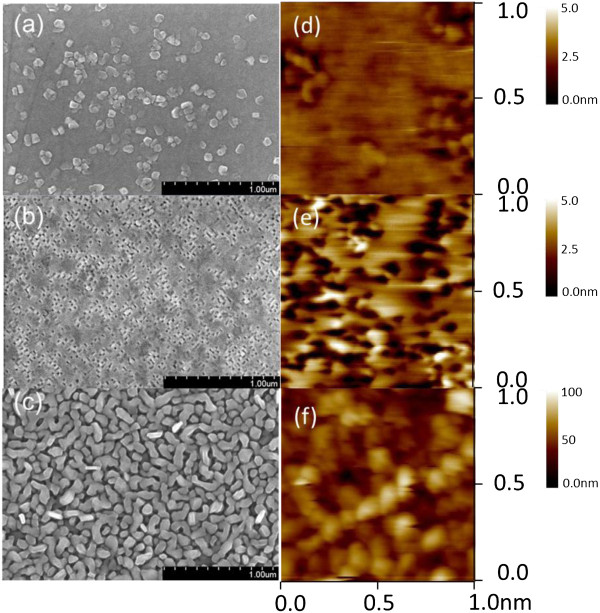
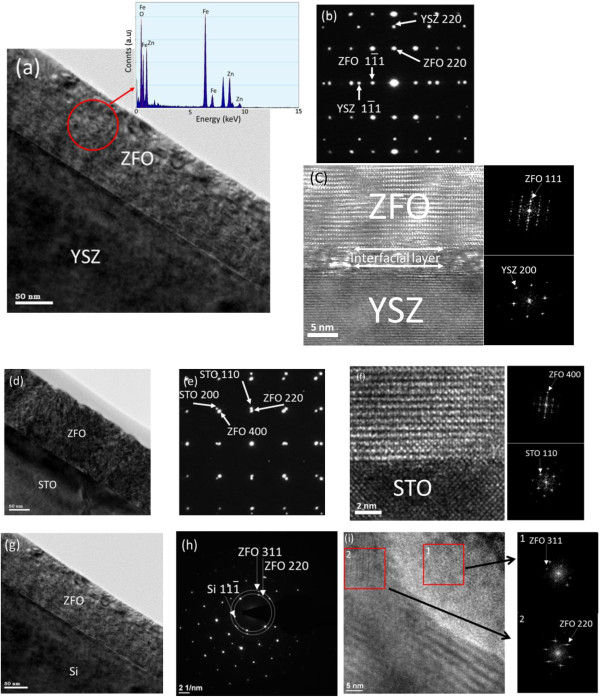
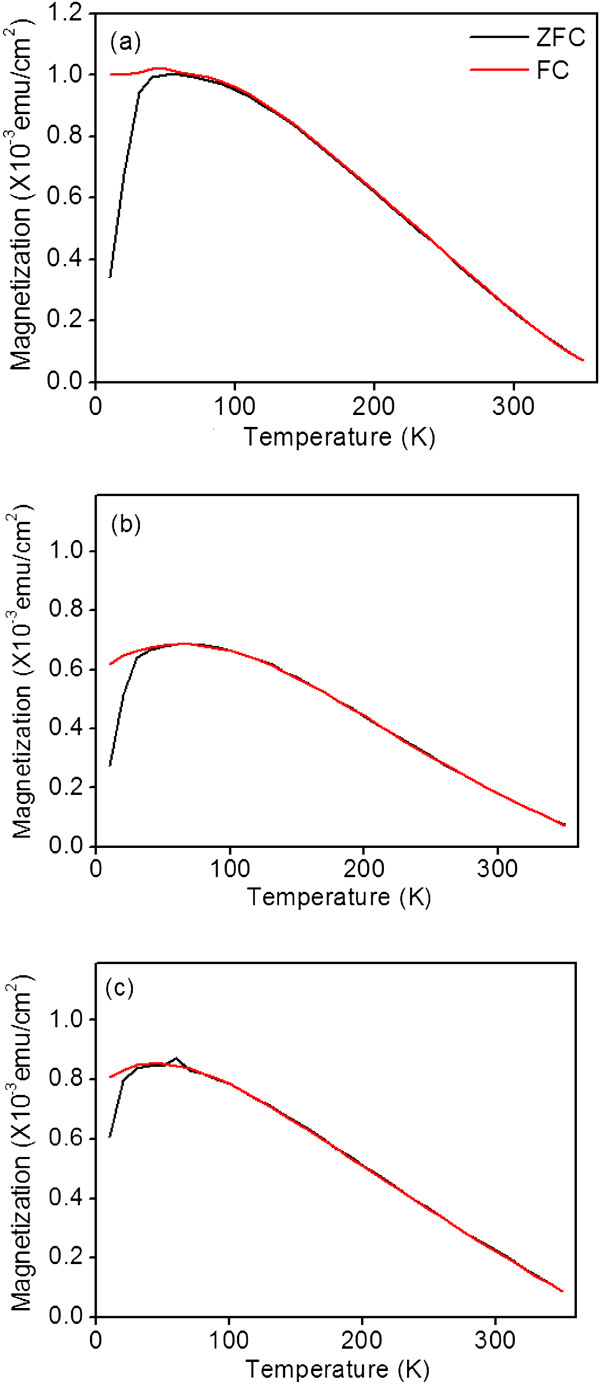
ZnFe2O4 (ZFO) thin films exhibiting varying crystallographic features ((222)-epitaxially, (400)-epitaxially, and randomly oriented films) were grown on various substrates by radio-frequency magnetron sputtering. The type of substrate used profoundly affected the surface topography of the resulting ZFO films. The surface of the ZFO (222) epilayer was dense and exhibited small rectangular surface grains; however, the ZFO (400) epilayer exhibited small grooves. The surface of the randomly oriented ZFO thin film exhibited distinct three-dimensional island-like grains that demonstrated considerable surface roughness. Magnetization-temperature curves revealed that the ZFO thin films exhibited a spin-glass transition temperature of approximately 40 K. The crystallographic orientation of the ZFO thin films strongly affected magnetic anisotropy. The ZFO (222) epitaxy exhibited the strongest magnetic anisotropy, whereas the randomly oriented ZFO thin film exhibited no clear magnetic anisotropy.
ZnFe2O4(ZFO)薄膜具有不同的晶体特征((222)外延、(400)外延和随机取向薄膜),通过射频磁控溅射在各种衬底上生长。所使用的衬底类型对所得 ZFO 薄膜的表面形貌有很大的影响。ZFO(222)外延层的表面致密,呈小矩形表面晶粒;然而,ZFO(400)外延层呈现出小的凹槽。随机取向的 ZFO 薄膜的表面呈现出明显的三维岛状晶粒,具有相当大的表面粗糙度。磁化温度曲线表明,ZFO 薄膜表现出约 40 K 的自旋玻璃转变温度。ZFO 薄膜的晶体取向强烈影响磁各向异性。ZFO(222)外延表现出最强的磁各向异性,而随机取向的 ZFO 薄膜则没有明显的磁各向异性。