UCSB Marine Science Institute Santa Barbara, CA, USA.
UCSB Marine Science Institute Santa Barbara, CA, USA ; Bren School of Environmental Science and Management, University of California Santa Barbara, CA, USA.
Front Microbiol. 2013 Dec 6;4:373. doi: 10.3389/fmicb.2013.00373. eCollection 2013.
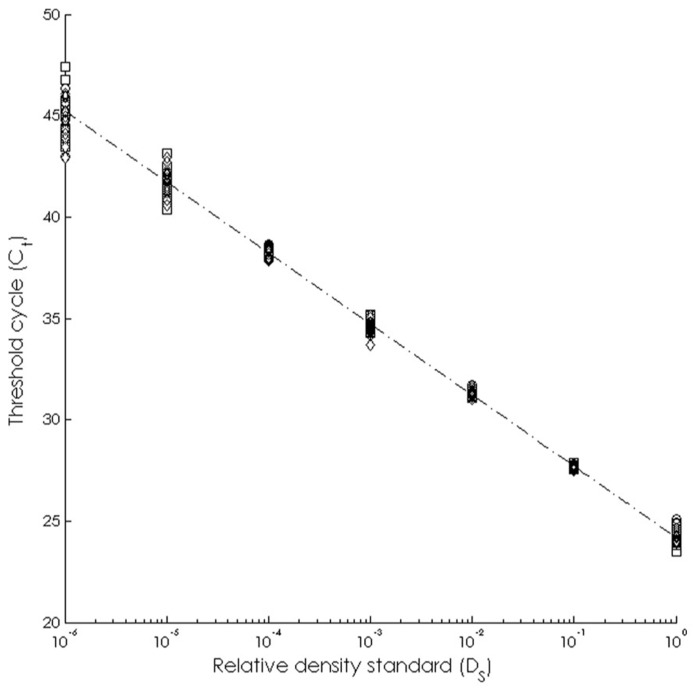
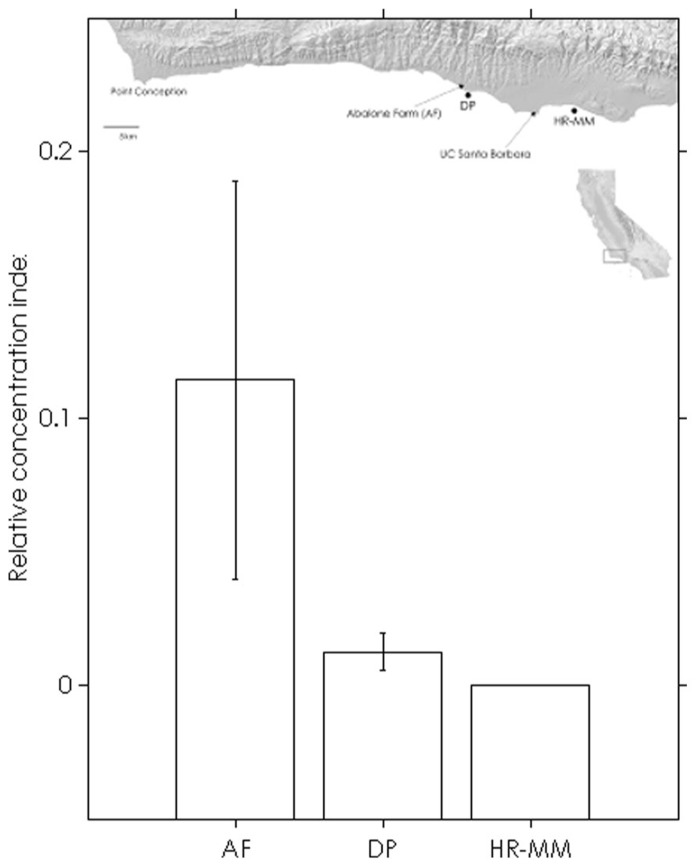
An intracellular bacterium Candidatus Xenohaliotis californiensis, also called Withering-Syndrome Rickettsia-Like Organism (WS-RLO), is the cause of mass mortalities that are the chief reason for endangerment of black abalone (Haliotis cracherodii). Using a real-time PCR assay, we found that a shore-based abalone farm (AF) in Santa Barbara, CA, USA discharged WS-RLO DNA into the ocean. Several other shore-based AFs discharge effluent into critical habitat for black abalone in California and this might affect the recovery of wild black abalone. Existing regulatory frameworks exist that could help protect wild species from pathogens released from shore-based aquaculture.
一种名为加利福尼亚拟澳州光杆海鞘菌(Candidatus Xenohaliotis californiensis)的胞内细菌,也被称为萎缩症立克次体样生物(WS-RLO),是导致大规模死亡的原因,也是黑鲍(Haliotis cracherodii)濒危的主要原因。使用实时 PCR 检测,我们发现美国加利福尼亚州圣巴巴拉市的一个岸基鲍鱼养殖场(AF)将 WS-RLO DNA 排放到海洋中。加利福尼亚州的其他几个岸基 AF 也将废水排放到黑鲍的关键栖息地,这可能会影响野生黑鲍的恢复。现有的监管框架可以帮助保护野生物种免受来自岸基水产养殖的病原体的侵害。