Pascoal Aislan Cristina Rheder Fagundes, Ehrenfried Carlos Augusto, Lopez Begoña Gimenez-Cassina, de Araujo Thiago Matos, Pascoal Vinicius D'ávila Bitencourt, Gilioli Rovilson, Anhê Gabriel Forato, Ruiz Ana Lúcia Tasca Goes, Carvalho João Ernesto de, Stefanello Maria Elida Alves, Salvador Marcos José
Graduate Program in Biosciences and Technology of Bioactive Products, Pharmacy course, State University of Campinas, Campinas, 6109, São Paulo 13083-970, Brazil.
Department of Chemistry, Federal University of Paraná, 19081, Curitiba 81531-990, Paraná, Brazil.
Molecules. 2014 Feb 7;19(2):1843-55. doi: 10.3390/molecules19021843.
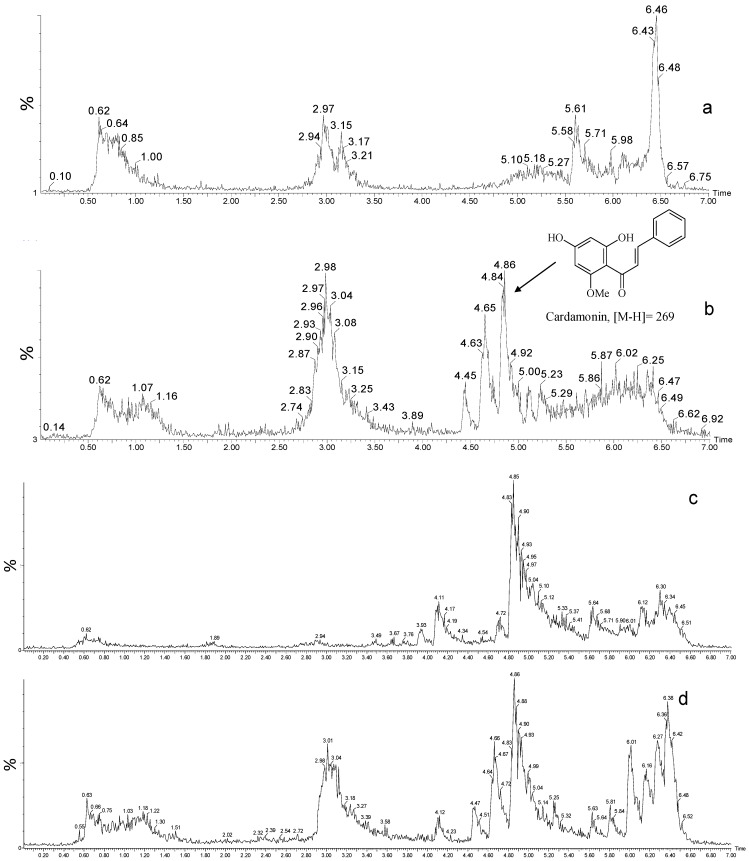
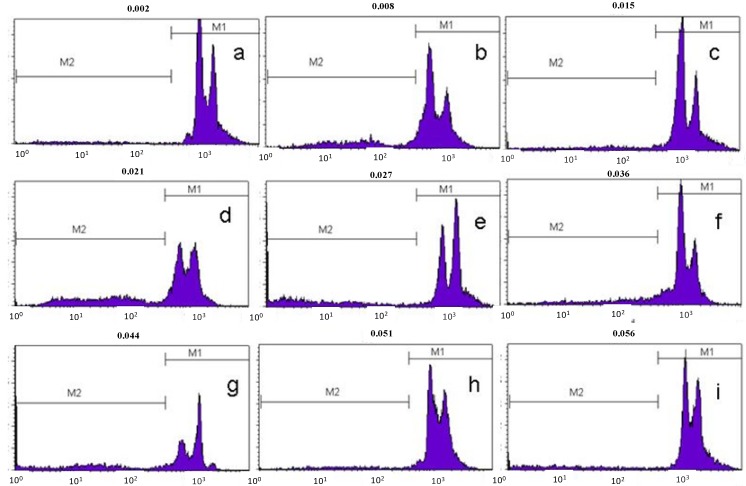
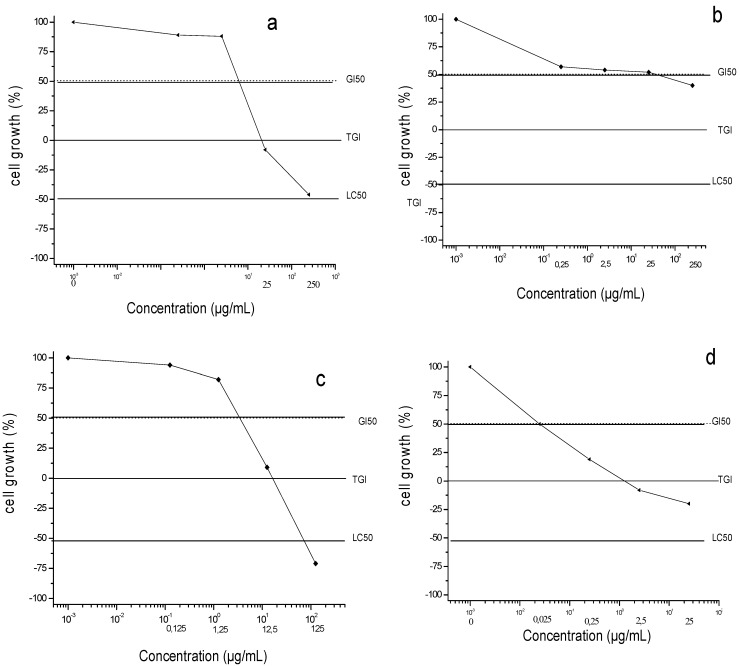
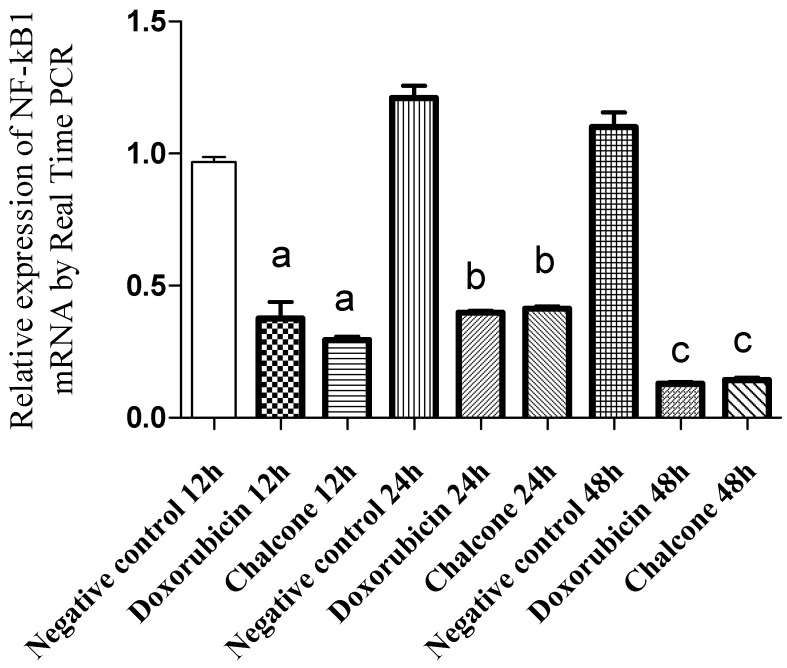
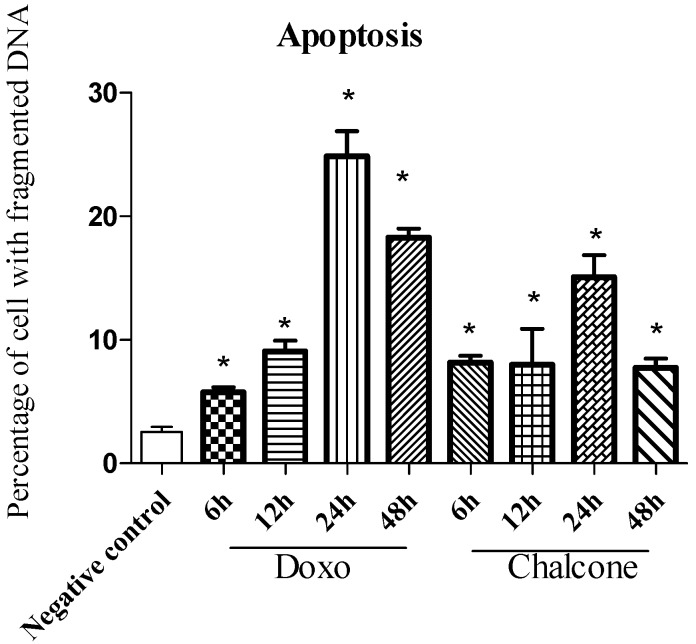
The Myrtaceae family is a common source of medicines used in the treatment of numerous diseases in South America. In Brazil, fruits of the Campomanesia species are widely used to make liqueurs, juices and sweets, whereas leaves are traditionally employed as a medicine for dysentery, stomach problems, diarrhea, cystitis and urethritis. Ethanol extracts of Campomanesia adamantium (Myrtaceae) leaves and fruits were evaluated against prostate cancer cells (PC-3). The compound (2E)-1-(2,4-dihydroxy-6-methoxyphenyl)-3-phenylprop-2-en-1-one, cardamonin) was isolated from ethanol extracts of C. adamantium leaves in a bioactivity-guided study and quantified by UPLC-MS/MS. In vitro studies showed that the isolated chalcone cardamonin inhibited prostate cancer cell proliferation and decreased the expression of NFkB1. Moreover, analysis by flow cytometry showed that this compound induced DNA fragmentation, suggesting an effect on apoptosis induction in the PC-3 cell line.
桃金娘科是南美洲用于治疗多种疾病的常见药物来源。在巴西,樟叶番荔枝属植物的果实被广泛用于制作利口酒、果汁和糖果,而其叶子传统上被用作治疗痢疾、胃部问题、腹泻、膀胱炎和尿道炎的药物。对樟叶番荔枝(桃金娘科)叶子和果实的乙醇提取物进行了抗前列腺癌细胞(PC-3)的评估。在一项生物活性导向研究中,从樟叶番荔枝叶子的乙醇提取物中分离出化合物(2E)-1-(2,4-二羟基-6-甲氧基苯基)-3-苯基丙-2-烯-1-酮(小豆蔻明),并通过超高效液相色谱-串联质谱法进行定量。体外研究表明,分离出的查耳酮小豆蔻明抑制前列腺癌细胞增殖,并降低NFkB1的表达。此外,流式细胞术分析表明,该化合物诱导DNA片段化,表明对PC-3细胞系的凋亡诱导有影响。