Rapaport Tal, Hochberg Uri, Rachmilevitch Shimon, Karnieli Arnon
The Remote Sensing Laboratory, The Jacob Blaustein Institutes for Desert Research, Ben Gurion University of the Negev, Beer-Sheva, Israel.
The French Associates Institute for Agriculture and Biotechnology of Drylands, The Jacob Blaustein Institutes for Desert Research, Ben Gurion University of the Negev, Beer-Sheva, Israel.
PLoS One. 2014 Feb 11;9(2):e88930. doi: 10.1371/journal.pone.0088930. eCollection 2014.
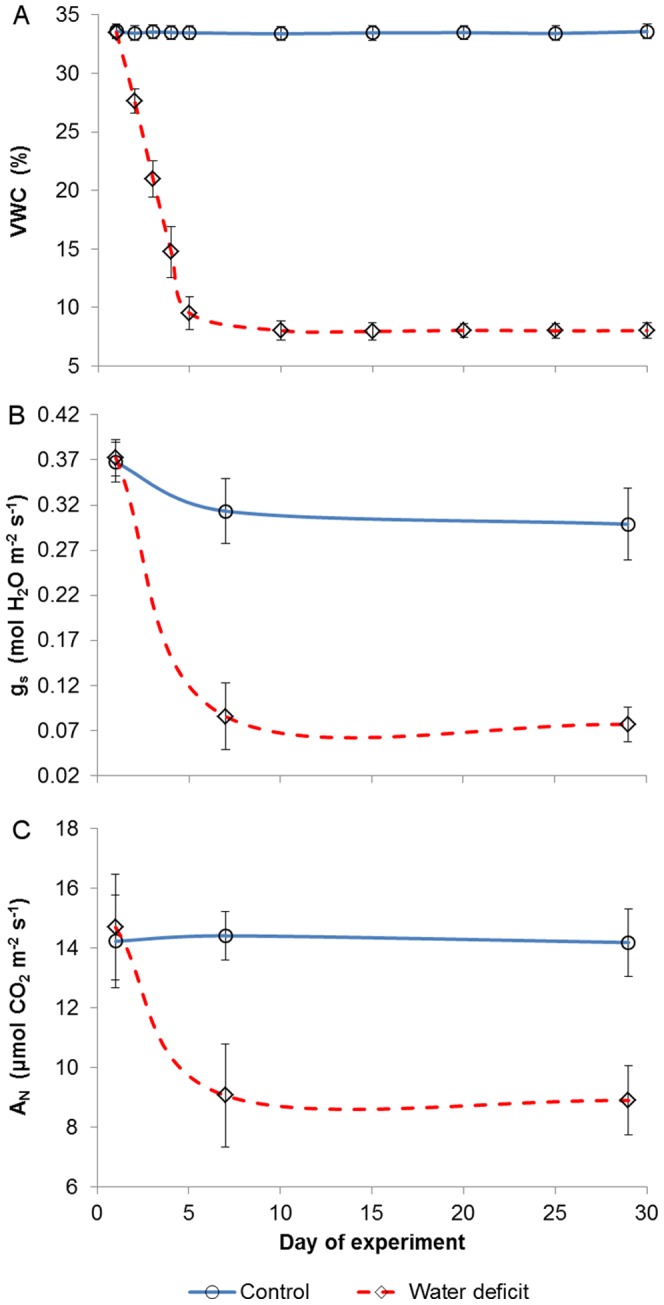
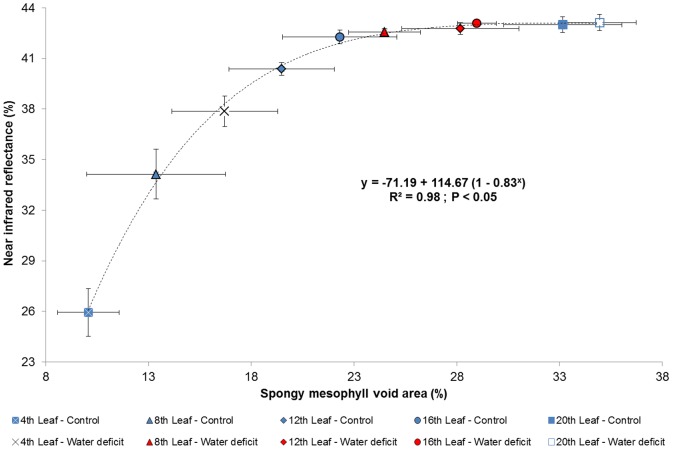
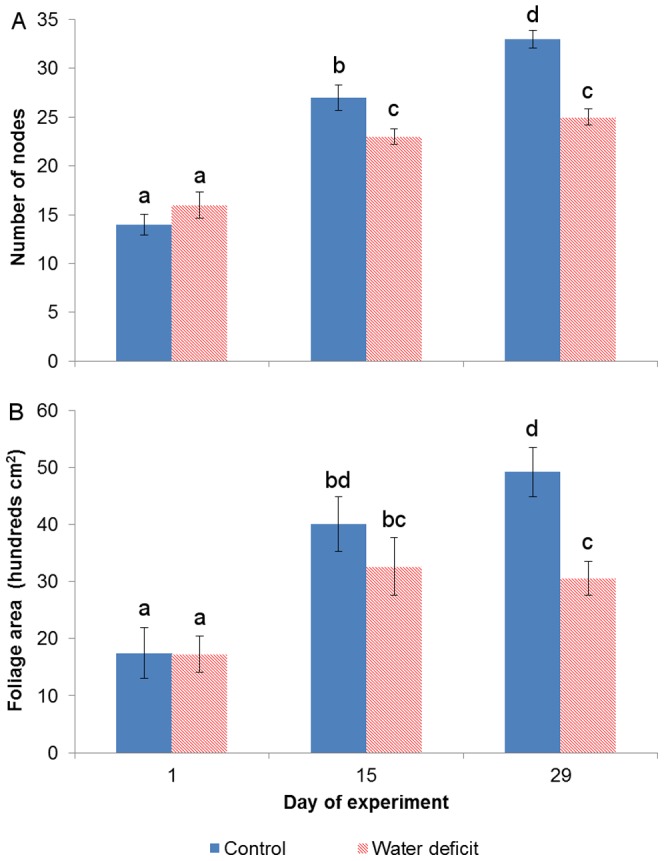
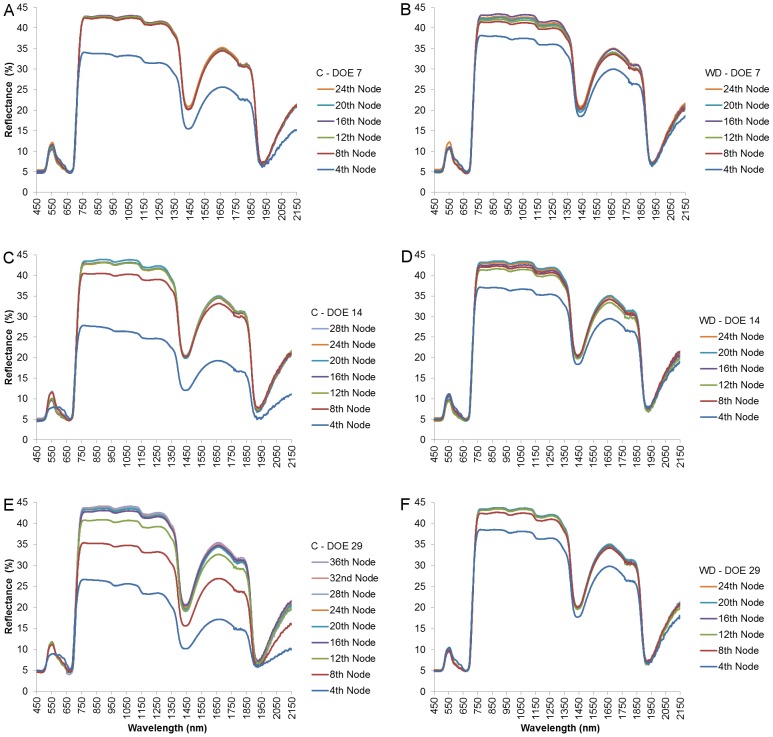
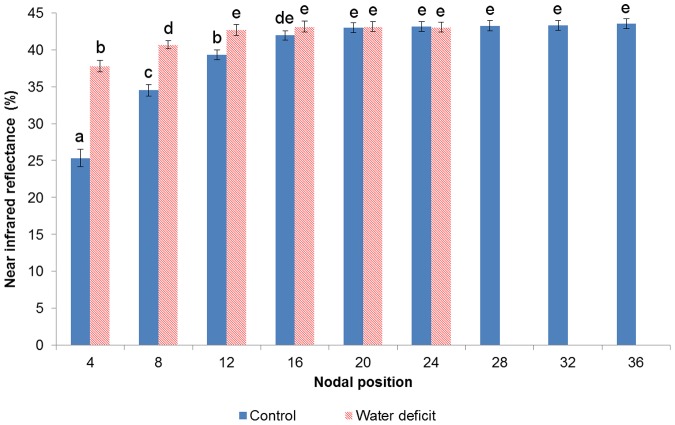
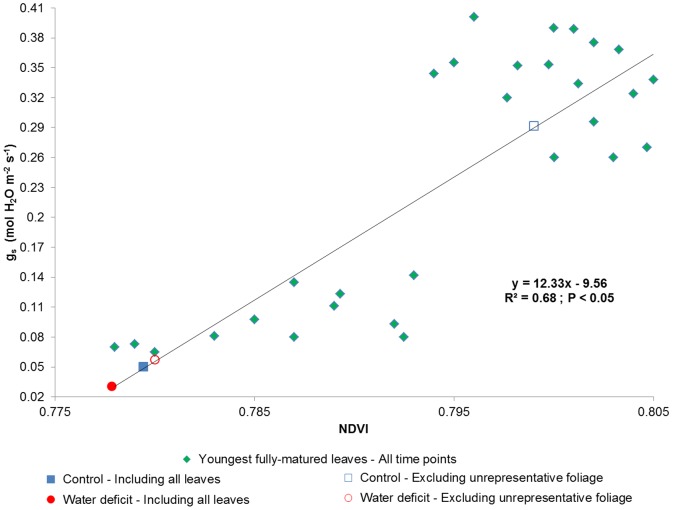
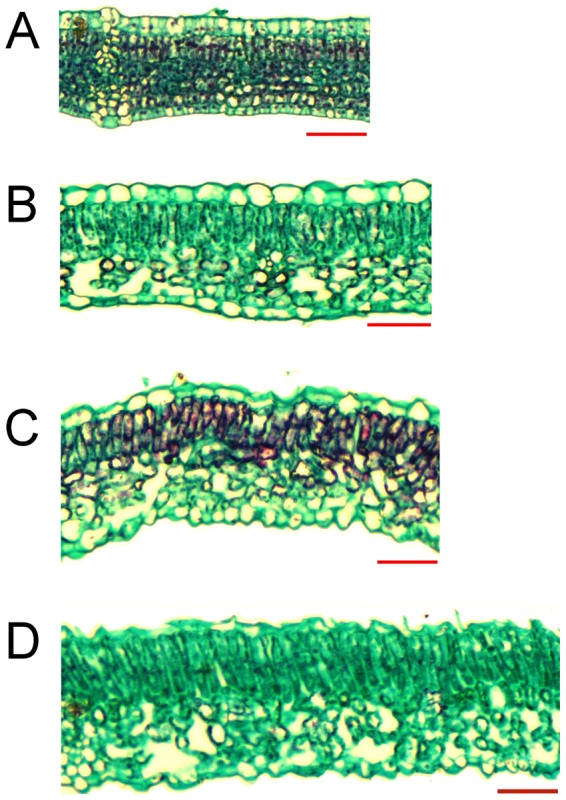
Leaves of various ages and positions in a plant's canopy can present distinct physiological, morphological and anatomical characteristics, leading to complexities in selecting a single leaf for spectral representation of an entire plant. A fortiori, as growth rates between canopies differ, spectral-based comparisons across multiple plants--often based on leaves' position but not age--becomes an even more challenging mission. This study explores the effect of differential growth rates on the reflectance variability between leaves of different canopies, and its implication on physiological predictions made by widely-used spectral indices. Two distinct irrigation treatments were applied for one month, in order to trigger the formation of different growth rates between two groups of grapevines. Throughout the experiment, the plants were physiologically and morphologically monitored, while leaves from every part of their canopies were spectrally and histologically sampled. As the control vines were constantly developing new leaves, the water deficit plants were experiencing growth inhibition, resulting in leaves of different age at similar nodal position across the treatments. This modification of the age-position correlation was characterized by a near infrared reflectance difference between younger and older leaves, which was found to be exponentially correlated (R(2) = 0.98) to the age-dependent area of intercellular air spaces within the spongy parenchyma. Overall, the foliage of the control plant became more spectrally variable, creating complications for intra- and inter-treatment leaf-based comparisons. Of the derived indices, the Structure-Insensitive Pigment Index (SIPI) was found indifferent to the age-position effect, allowing the treatments to be compared at any nodal position, while a Normalized Difference Vegetation Index (NDVI)-based stomatal conductance prediction was substantially affected by differential growth rates. As various biotic and abiotic factors may form distinctions in growth, future precision agriculture studies should consider its spectral effect on physiological predictions.
植物冠层中不同年龄和位置的叶片会呈现出不同的生理、形态和解剖特征,这使得选择一片叶子来代表整个植物的光谱变得复杂。更有甚者,由于不同冠层间的生长速率存在差异,基于光谱对多株植物进行比较(通常基于叶片位置而非年龄)就变得更具挑战性。本研究探讨了不同生长速率对不同冠层叶片间反射率变异性的影响,及其对广泛使用的光谱指数进行生理预测的影响。为了使两组葡萄藤形成不同的生长速率,实施了为期一个月的两种不同灌溉处理。在整个实验过程中,对植株进行生理和形态监测,同时对其冠层各部位的叶片进行光谱和组织学采样。由于对照葡萄藤不断长出新叶,水分亏缺的植株生长受到抑制,导致不同处理间相似节位处出现不同年龄的叶片。这种年龄 - 位置相关性的改变表现为幼叶和老叶之间的近红外反射率差异,该差异与海绵薄壁组织内细胞间隙的年龄依赖性面积呈指数相关(R(2) = 0.98)。总体而言,对照植株的叶片光谱变异性更大,给基于叶片的处理内和处理间比较带来了复杂性。在推导的指数中,结构不敏感色素指数(SIPI)对年龄 - 位置效应不敏感,使得可以在任何节位对处理进行比较,而基于归一化植被指数(NDVI)的气孔导度预测则受到不同生长速率的显著影响。由于各种生物和非生物因素可能导致生长差异,未来的精准农业研究应考虑其对生理预测的光谱效应。