Karako-Lampert Sarit, Zoccola Didier, Salmon-Divon Mali, Katzenellenbogen Mark, Tambutté Sylvie, Bertucci Anthony, Hoegh-Guldberg Ove, Deleury Emeline, Allemand Denis, Levy Oren
The Mina and Everard Goodman Faculty of Life Sciences, Bar-Ilan University, Ramat Gan, Israel.
Centre Scientifique de Monaco, Monaco, Monaco.
PLoS One. 2014 Feb 13;9(2):e88615. doi: 10.1371/journal.pone.0088615. eCollection 2014.
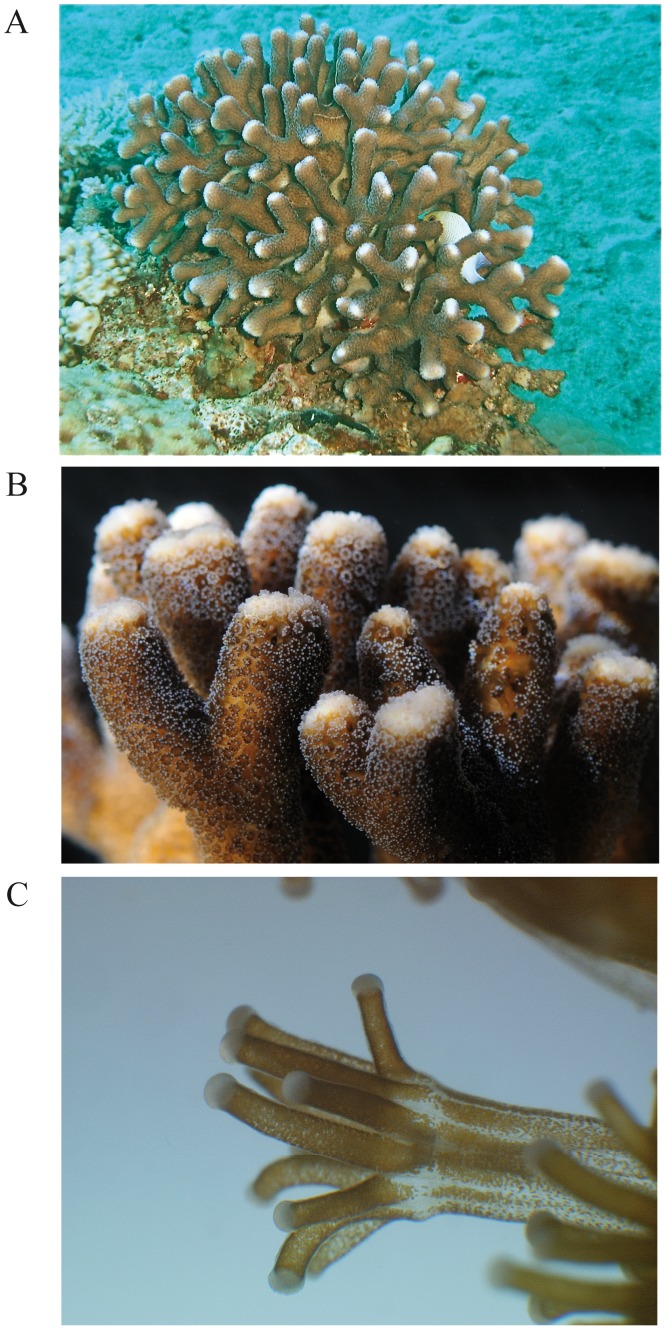
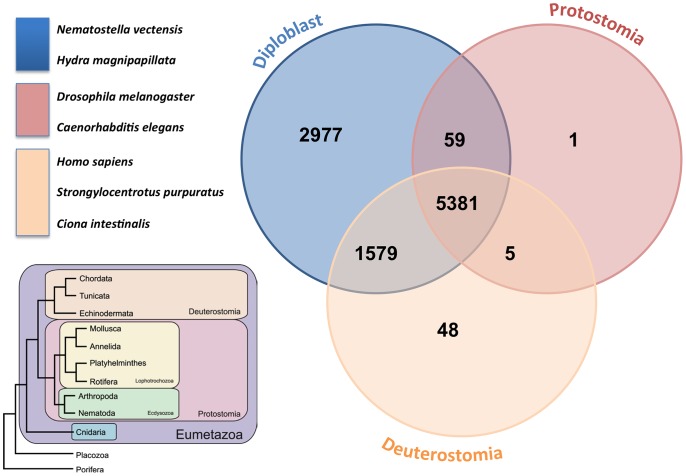
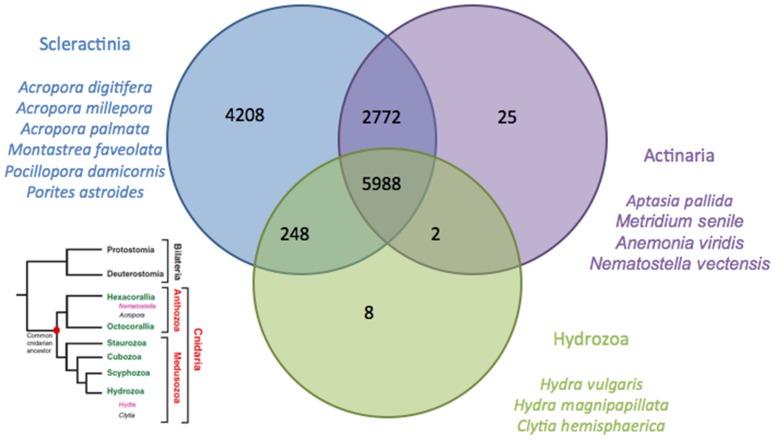
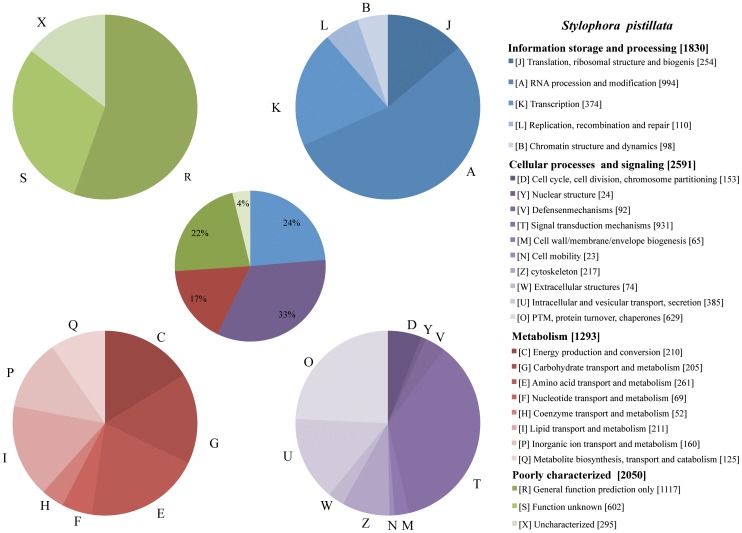
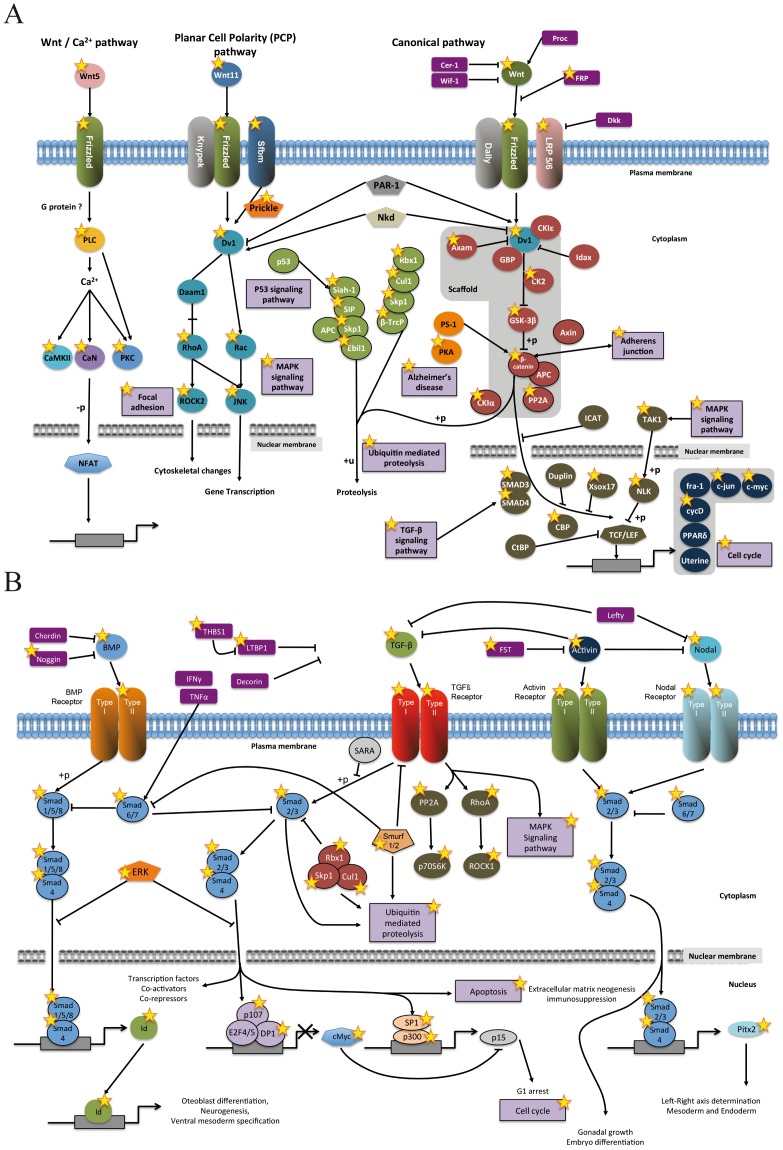
The principal architects of coral reefs are the scleractinian corals; these species are divided in two major clades referred to as "robust" and "complex" corals. Although the molecular diversity of the "complex" clade has received considerable attention, with several expressed sequence tag (EST) libraries and a complete genome sequence having been constructed, the "robust" corals have received far less attention, despite the fact that robust corals have been prominent focal points for ecological and physiological studies. Filling this gap affords important opportunities to extend these studies and to improve our understanding of the differences between the two major clades. Here, we present an EST library from Stylophora pistillata (Esper 1797) and systematically analyze the assembled transcripts compared to putative homologs from the complete proteomes of six well-characterized metazoans: Nematostella vectensis, Hydra magnipapillata, Caenorhabditis elegans, Drosophila melanogaster, Strongylocentrotus purpuratus, Ciona intestinalis and Homo sapiens. Furthermore, comparative analyses of the Stylophora pistillata ESTs were performed against several Cnidaria from the Scleractinia, Actiniaria and Hydrozoa, as well as against other stony corals separately. Functional characterization of S. pistillata transcripts into KOG/COG categories and further description of Wnt and bone morphogenetic protein (BMP) signaling pathways showed that the assembled EST library provides sufficient data and coverage. These features of this new library suggest considerable opportunities for extending our understanding of the molecular and physiological behavior of "robust" corals.
珊瑚礁的主要构建者是石珊瑚;这些物种分为两个主要分支,即“健壮型”和“复杂型”珊瑚。尽管“复杂型”分支的分子多样性受到了相当多的关注,已经构建了几个表达序列标签(EST)文库并获得了完整的基因组序列,但“健壮型”珊瑚受到的关注却少得多,尽管事实上健壮型珊瑚一直是生态和生理研究的重要焦点。填补这一空白为扩展这些研究以及增进我们对这两个主要分支之间差异的理解提供了重要机会。在此,我们展示了来自细指鹿角珊瑚(埃斯佩尔,1797年)的一个EST文库,并与六种特征明确的后生动物(即星状海葵、大乳头水螅、秀丽隐杆线虫、黑腹果蝇、紫球海胆、玻璃海鞘和智人)完整蛋白质组中的假定同源物进行比较,系统地分析了组装后的转录本。此外,还分别针对石珊瑚目、海葵目和水螅纲的几种刺胞动物以及其他石珊瑚对细指鹿角珊瑚的EST进行了比较分析。将细指鹿角珊瑚转录本按真核生物直系同源基因簇/同源蛋白簇(KOG/COG)类别进行功能注释,并对Wnt和骨形态发生蛋白(BMP)信号通路进行进一步描述,结果表明组装后的EST文库提供了足够的数据和覆盖范围。这个新文库的这些特征为扩展我们对“健壮型”珊瑚分子和生理行为的理解提供了相当多的机会。