McMurphy Travis, Xiao Run, Magee Daniel, Slater Andrew, Zabeau Lennart, Tavernier Jan, Cao Lei
Department of Molecular Virology, Immunology, and Medical Genetics, The Ohio State University, Columbus, Ohio, United States of America ; The Comprehensive Cancer Center, The Ohio State University, Columbus, Ohio, United States of America.
Flanders Institute for Biotechnology, Department of Medical Protein Research, Faculty of Medicine and Health Sciences, Ghent University, Ghent, Belgium.
PLoS One. 2014 Feb 28;9(2):e89895. doi: 10.1371/journal.pone.0089895. eCollection 2014.
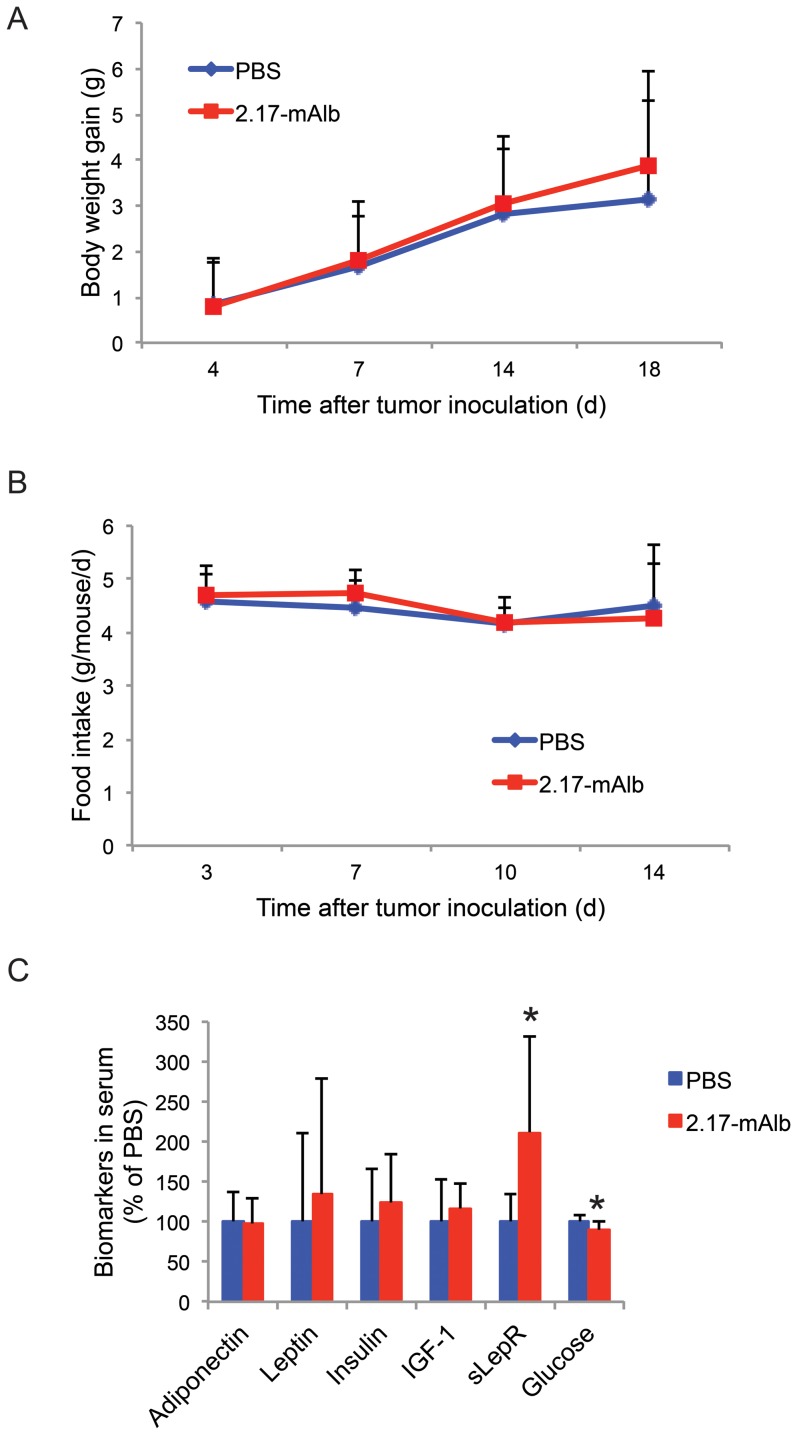
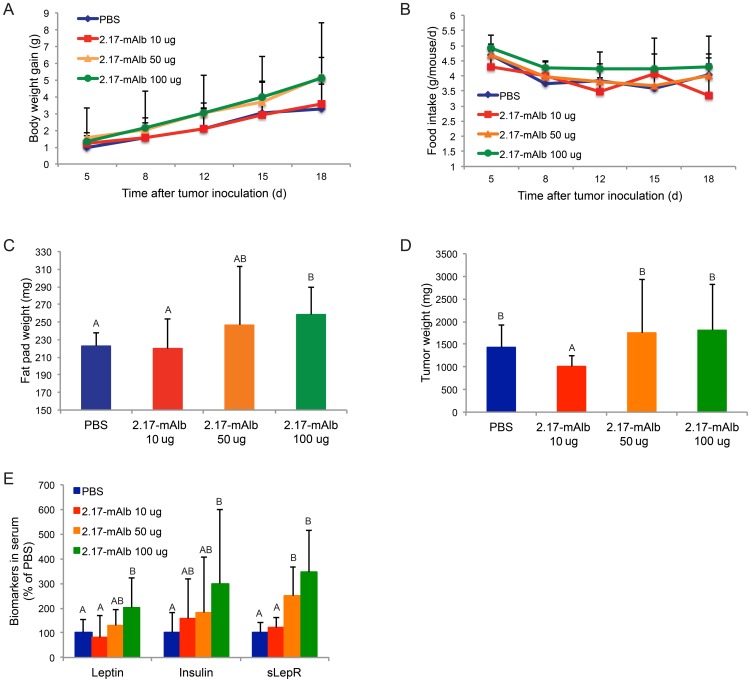
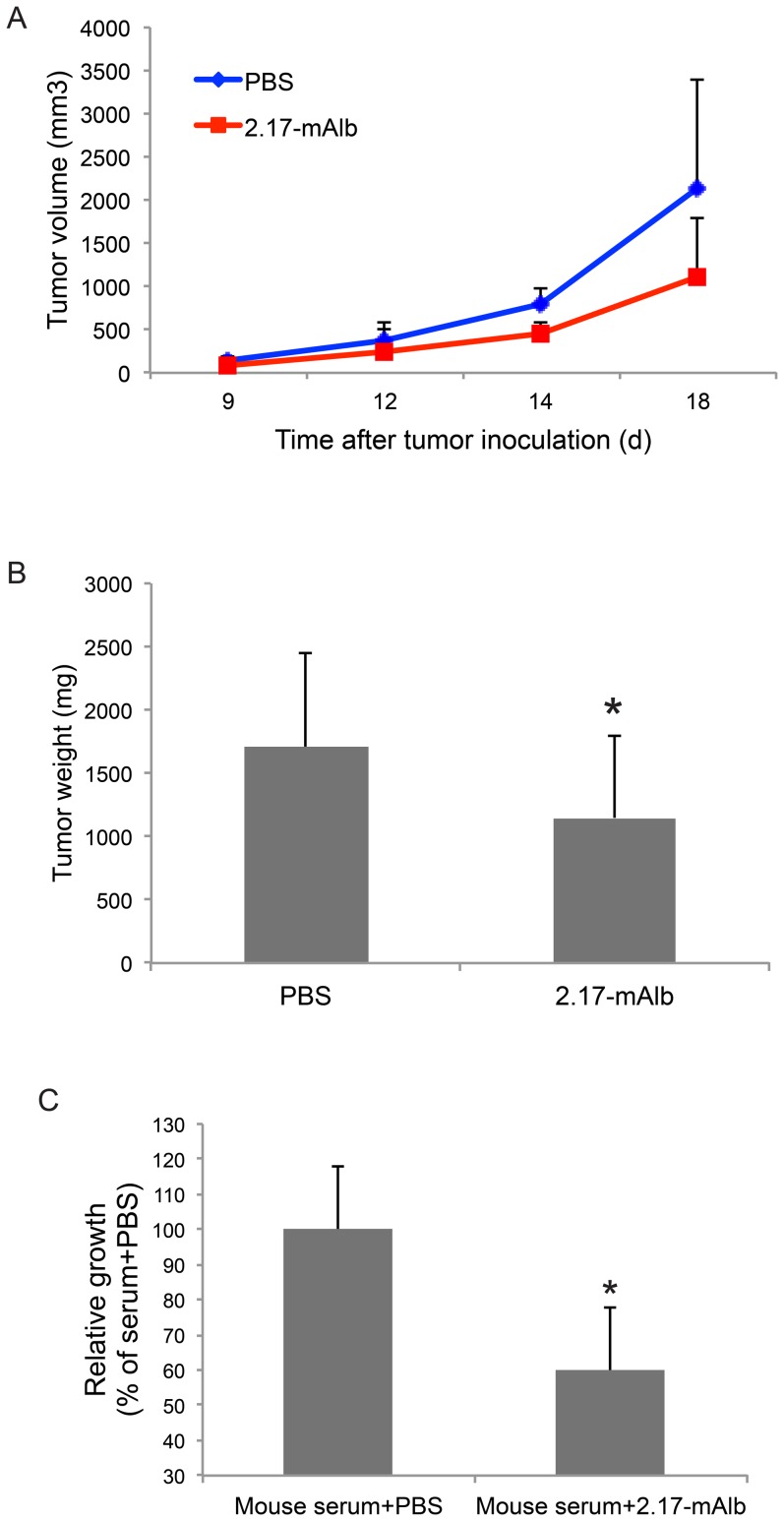
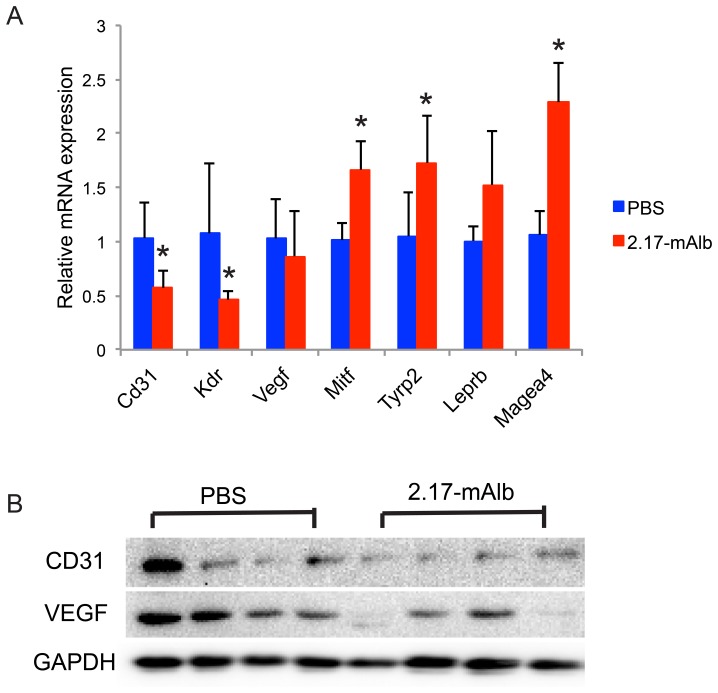
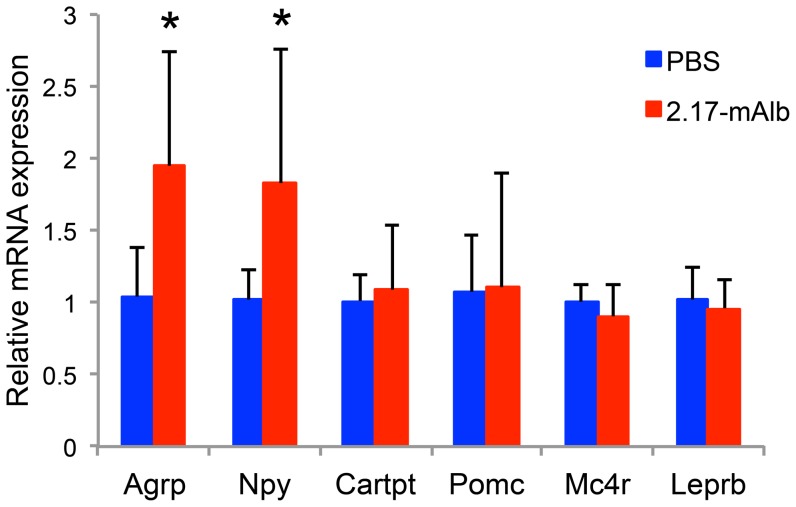
Environmental and genetic activation of a brain-adipocyte axis inhibits cancer progression. Leptin is the primary peripheral mediator of this anticancer effect in a mouse model of melanoma. In this study we assessed the effect of a leptin receptor antagonist on melanoma progression. Local administration of a neutralizing nanobody targeting the leptin receptor at low dose adjacent to tumor decreased tumor mass with no effects on body weight or food intake. In contrast, systemic administration of the nanobody failed to suppress tumor growth. Daily intraperitoneal injection of high-dose nanobody led to weight gain, hyperphagia, increased adiposity, hyperleptinemia, and hyperinsulinemia, and central effects mimicking leptin deficiency. The blockade of central actions of leptin by systemic delivery of nanobody may compromise its anticancer effect, underscoring the need to develop peripherally acting leptin antagonists coupled with efficient cancer-targeting delivery.
脑 - 脂肪细胞轴的环境和基因激活可抑制癌症进展。在黑色素瘤小鼠模型中,瘦素是这种抗癌作用的主要外周介质。在本研究中,我们评估了瘦素受体拮抗剂对黑色素瘤进展的影响。在肿瘤附近低剂量局部施用靶向瘦素受体的中和纳米抗体可减少肿瘤体积,且对体重或食物摄入量无影响。相比之下,全身施用纳米抗体未能抑制肿瘤生长。每日腹腔注射高剂量纳米抗体导致体重增加、食欲亢进、肥胖增加、高瘦素血症和高胰岛素血症,以及类似瘦素缺乏的中枢效应。通过全身递送纳米抗体阻断瘦素的中枢作用可能会损害其抗癌效果,这突出表明需要开发具有外周作用的瘦素拮抗剂并结合高效的癌症靶向递送。