Petiwala Sakina M, Berhe Saba, Li Gongbo, Puthenveetil Angela G, Rahman Ozair, Nonn Larisa, Johnson Jeremy J
Department of Pharmacy Practice, College of Pharmacy, University of Illinois at Chicago, Chicago, Illinois, United States of America.
University of Illinois Cancer Center, University of Illinois at Chicago, Chicago, Illinois, United States of America; Department of Pathology, College of Medicine, University of Illinois at Chicago, Chicago, Illinois, United States of America.
PLoS One. 2014 Mar 5;9(3):e89772. doi: 10.1371/journal.pone.0089772. eCollection 2014.
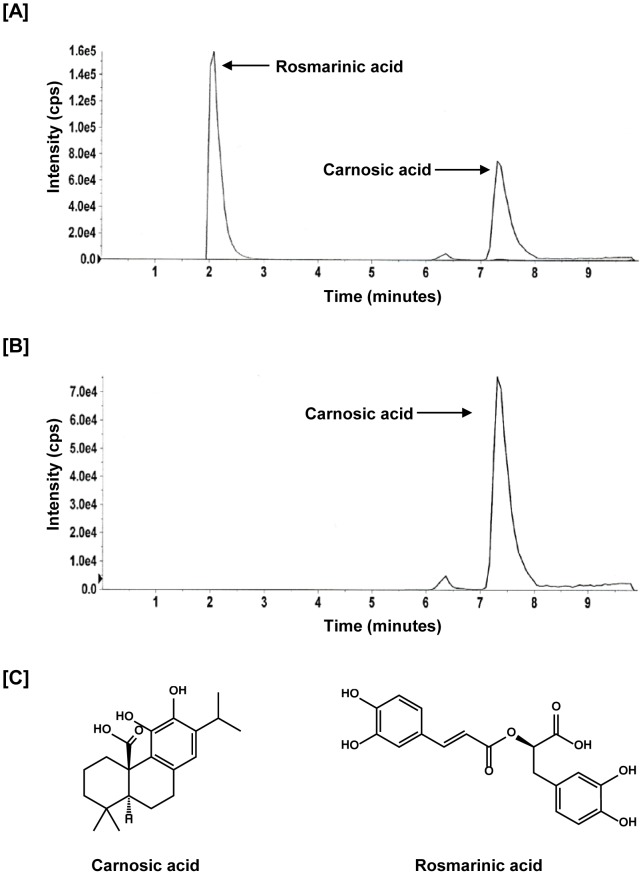
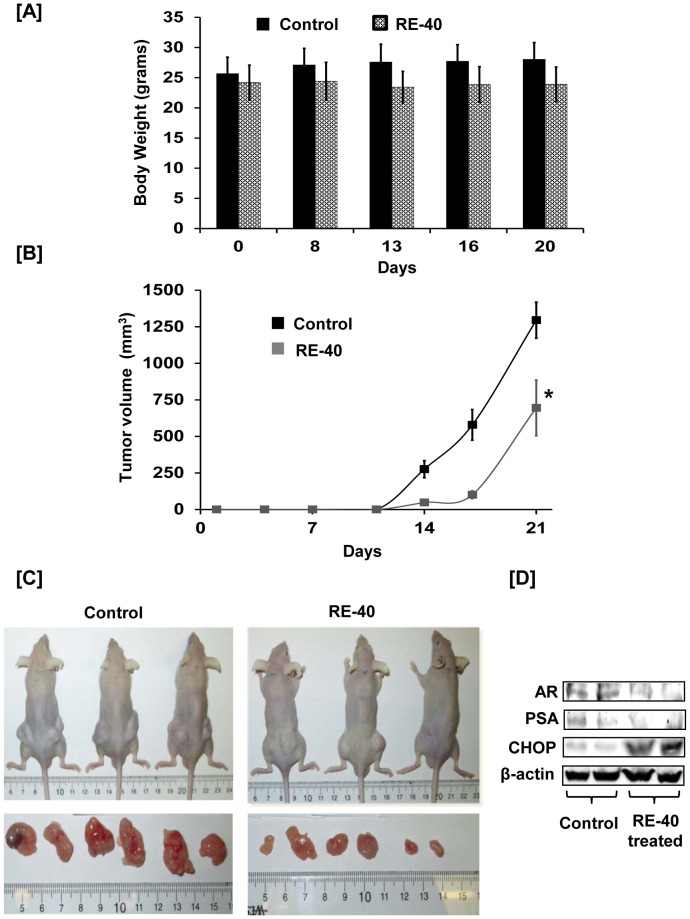
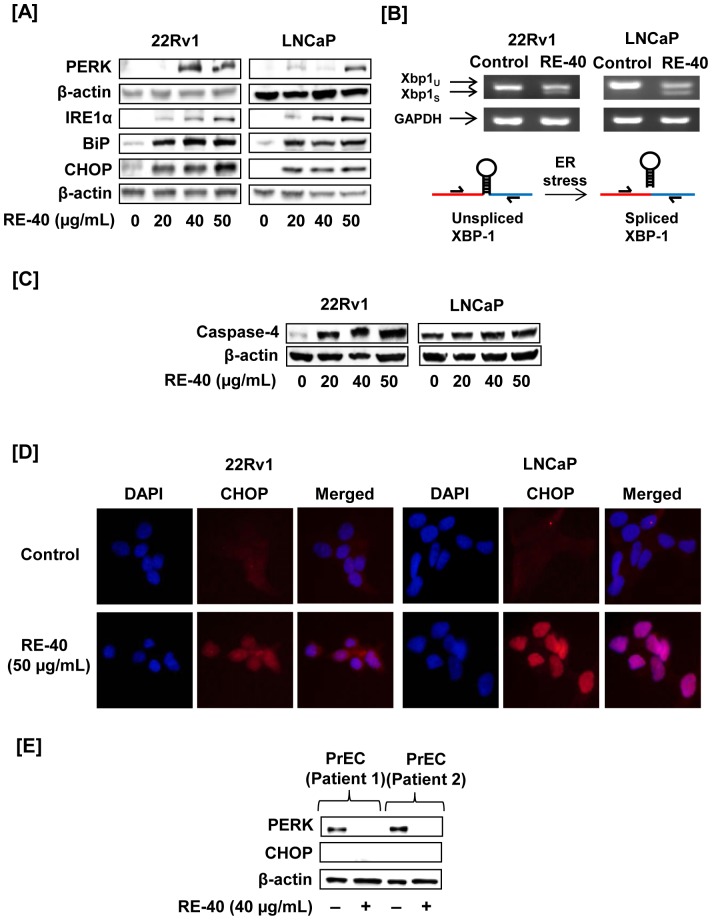
The Mediterranean diet has long been attributed to preventing or delaying the onset of cardiovascular disease, diabetes and various solid organ cancers. In this particular study, a rosemary extract standardized to carnosic acid was evaluated for its potential in disrupting the endoplasmic reticulum machinery to decrease the viability of prostate cancer cells and promote degradation of the androgen receptor. Two human prostate cancer cell lines, 22Rv1 and LNCaP, and prostate epithelial cells procured from two different patients undergoing radical prostatectomy were treated with standardized rosemary extract and evaluated by flow cytometry, MTT, BrdU, Western blot and fluorescent microscopy. A significant modulation of endoplasmic reticulum stress proteins was observed in cancer cells while normal prostate epithelial cells did not undergo endoplasmic reticulum stress. This biphasic response suggests that standardized rosemary extract may preferentially target cancer cells as opposed to "normal" cells. Furthermore, we observed standardized rosemary extract to decrease androgen receptor expression that appears to be regulated by the expression of CHOP/GADD153. Using a xenograft tumor model we observed standardized rosemary extract when given orally to significantly suppress tumor growth by 46% compared to mice not receiving standardized rosemary extract. In the last several years regulatory governing bodies (e.g. European Union) have approved standardized rosemary extracts as food preservatives. These results are especially significant as it is becoming more likely that individuals will be receiving standardized rosemary extracts that are a part of a natural preservative system in various food preparations. Taken a step further, it is possible that the potential benefits that are often associated with a "Mediterranean Diet" in the future may begin to extend beyond the Mediterranean diet as more of the population is consuming standardized rosemary extracts.
长期以来,地中海饮食被认为有助于预防或延缓心血管疾病、糖尿病和各种实体器官癌症的发病。在这项具体研究中,对一种标准化为鼠尾草酸的迷迭香提取物进行了评估,以确定其破坏内质网机制从而降低前列腺癌细胞活力并促进雄激素受体降解的潜力。用标准化迷迭香提取物处理了两种人前列腺癌细胞系22Rv1和LNCaP,以及从两名接受根治性前列腺切除术的不同患者身上获取的前列腺上皮细胞,并通过流式细胞术、MTT、BrdU、蛋白质免疫印迹法和荧光显微镜进行评估。在癌细胞中观察到内质网应激蛋白有显著调节,而正常前列腺上皮细胞未发生内质网应激。这种双相反应表明,标准化迷迭香提取物可能优先靶向癌细胞而非“正常”细胞。此外,我们观察到标准化迷迭香提取物可降低雄激素受体表达,这似乎受CHOP/GADD153表达的调节。使用异种移植肿瘤模型,我们观察到口服标准化迷迭香提取物的小鼠与未接受标准化迷迭香提取物的小鼠相比,肿瘤生长显著受到抑制,抑制率达46%。在过去几年中,监管机构(如欧盟)已批准标准化迷迭香提取物作为食品防腐剂。这些结果尤为重要,因为越来越多的人可能会在各种食品制剂中摄入作为天然防腐系统一部分的标准化迷迭香提取物。进一步而言,随着越来越多的人食用标准化迷迭香提取物,未来通常与“地中海饮食”相关的潜在益处可能会开始超越地中海饮食本身。