Instituto de Biología Molecular y Celular (IBMC) and Instituto de Investigación, Desarrollo e Innovación en Biotecnología Sanitaria de Elche (IDiBE), Universitas Miguel Hernández (UMH), 03202, Elche, Spain.
Laboratory of Foodomics, Institute of Food Science Research (CIAL, CSIC), Nicolas Cabrera 9, 28049, Madrid, Spain.
Sci Rep. 2019 Jan 28;9(1):808. doi: 10.1038/s41598-018-37173-7.
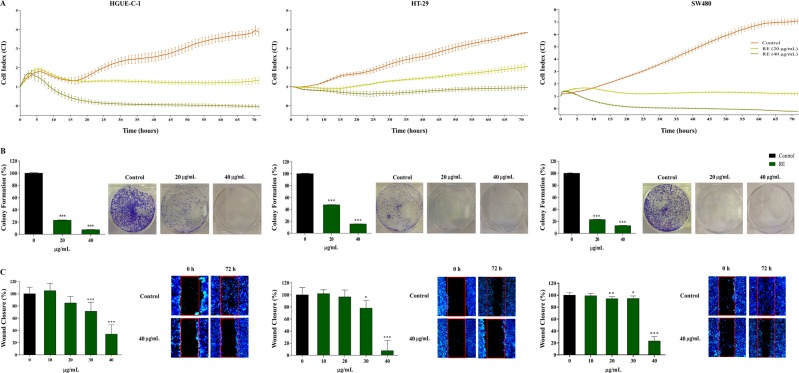
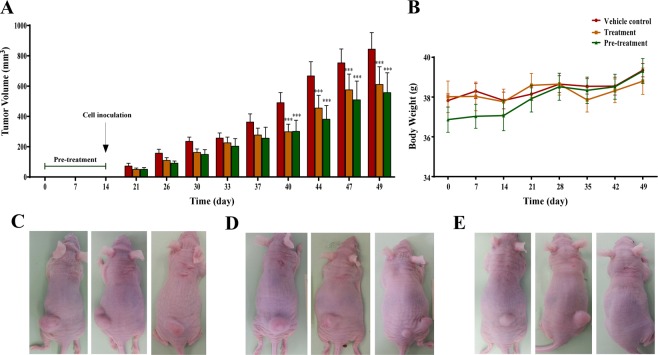
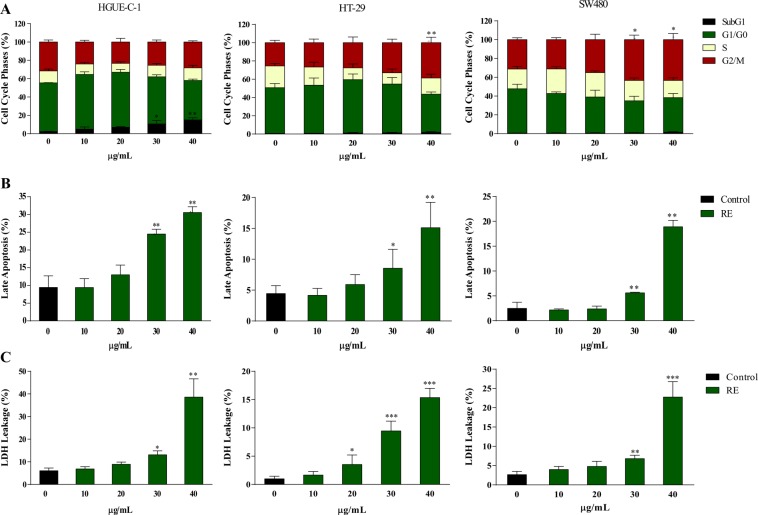
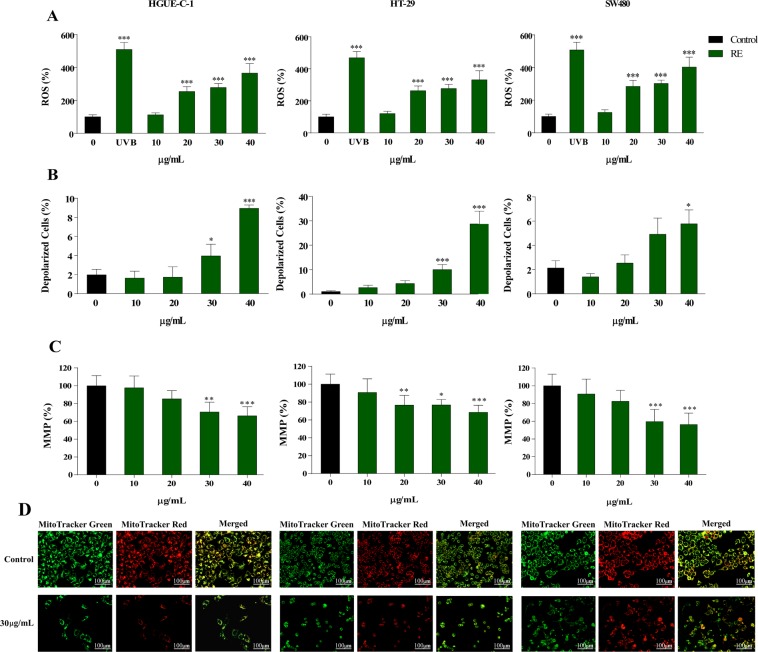
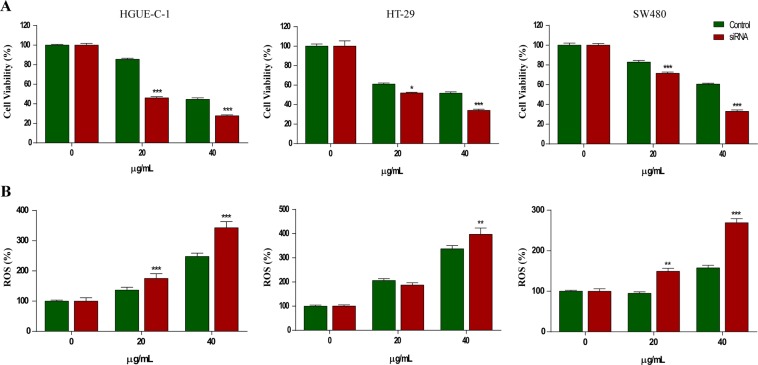
Colorectal cancer is the third most common diagnosed cancer globally. Although substantial advances have been obtained both in treatment and survival rates, there is still a need for new therapeutical approaches. Natural compounds are a realistic source of new bioactive compounds with anticancer activity. Among them, rosemary polyphenols have shown a vast antiproliferative capacity against colon cancer cells in vitro and in animal models. We have investigated the antitumor activity of a rosemary extract (RE) obtained by using supercritical fluid extraction through its capacity to inhibit various signatures of cancer progression and metastasis such as proliferation, migration, invasion and clonogenic survival. RE strongly inhibited proliferation, migration and colony formation of colon cancer cells regardless their phenotype. Treatment with RE led to a sharp increase of intracellular ROS that resulted in necrosis cell death. Nrf2 gene silencing increased RE cytotoxic effects, thus suggesting that this pathway was involved in cell survival. These in vitro results were in line with a reduction of tumor growth by oral administration of RE in a xenograft model of colon cancer cells using athymic nude mice. These findings indicate that targeting colon cancer cells by increasing intracellular ROS and decreasing cell survival mechanisms may suppose a therapeutic option in colon cancer through the combination of rosemary compounds and chemotherapeutic drugs.
结直肠癌是全球第三大常见的癌症。尽管在治疗和生存率方面取得了重大进展,但仍需要新的治疗方法。天然化合物是具有抗癌活性的新型生物活性化合物的现实来源。其中,迷迭香多酚在体外和动物模型中显示出对结肠癌细胞有广泛的抗增殖作用。我们通过使用超临界流体萃取研究了迷迭香提取物(RE)的抗肿瘤活性,该提取物能够抑制癌症进展和转移的各种特征,如增殖、迁移、侵袭和克隆形成存活。RE 强烈抑制结肠癌细胞的增殖、迁移和集落形成,无论其表型如何。用 RE 处理会导致细胞内 ROS 的急剧增加,从而导致坏死性细胞死亡。Nrf2 基因沉默增加了 RE 的细胞毒性作用,因此表明该途径参与了细胞存活。这些体外结果与在使用无胸腺裸鼠的结肠癌细胞异种移植模型中通过口服给予 RE 减少肿瘤生长一致。这些发现表明,通过增加细胞内 ROS 和减少细胞存活机制来靶向结肠癌细胞可能通过迷迭香化合物和化疗药物的组合成为治疗结直肠癌的一种选择。