Wu Juxun, Xu Zhilong, Zhang Yajian, Chai Lijun, Yi Hualin, Deng Xiuxin
Key Laboratory of Horticultural Plant Biology, Ministry of Education, Huazhong Agricultural University, Wuhan 430070, PR China.
J Exp Bot. 2014 Apr;65(6):1651-71. doi: 10.1093/jxb/eru044. Epub 2014 Mar 5.
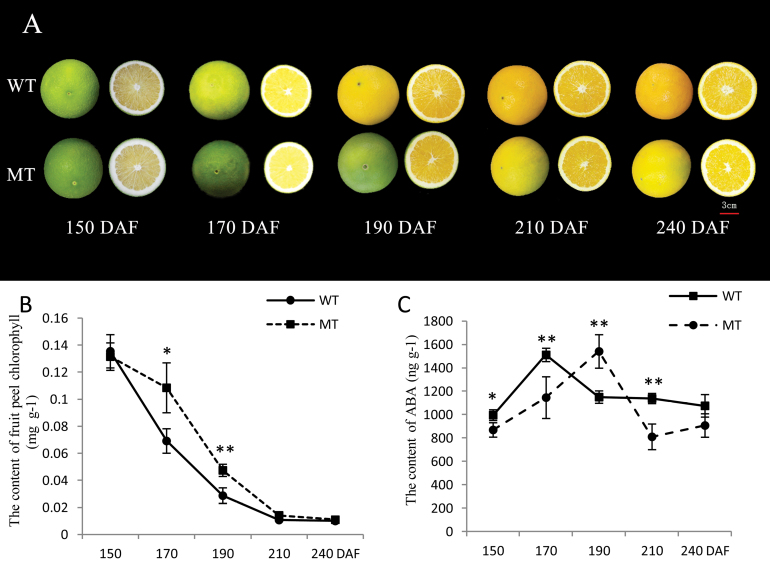
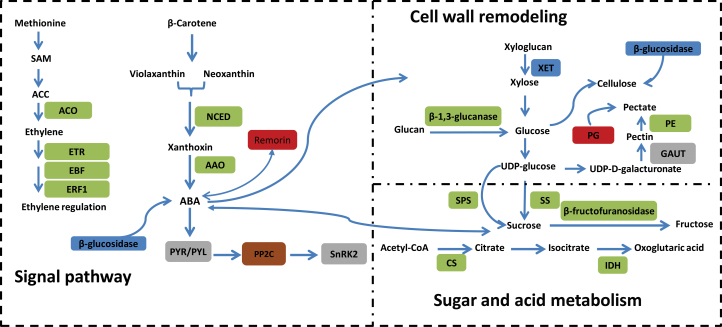
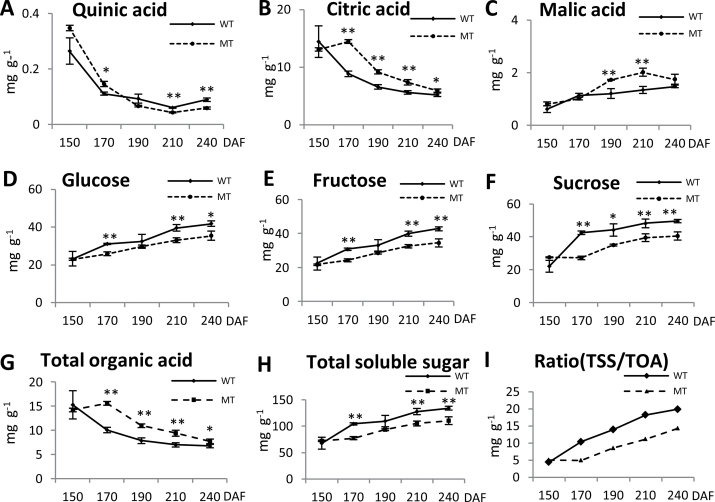
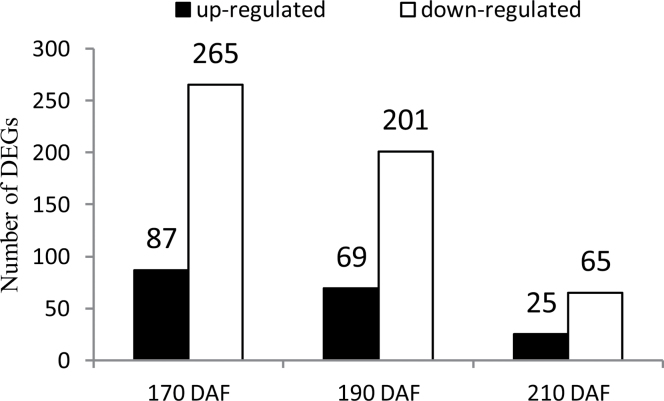
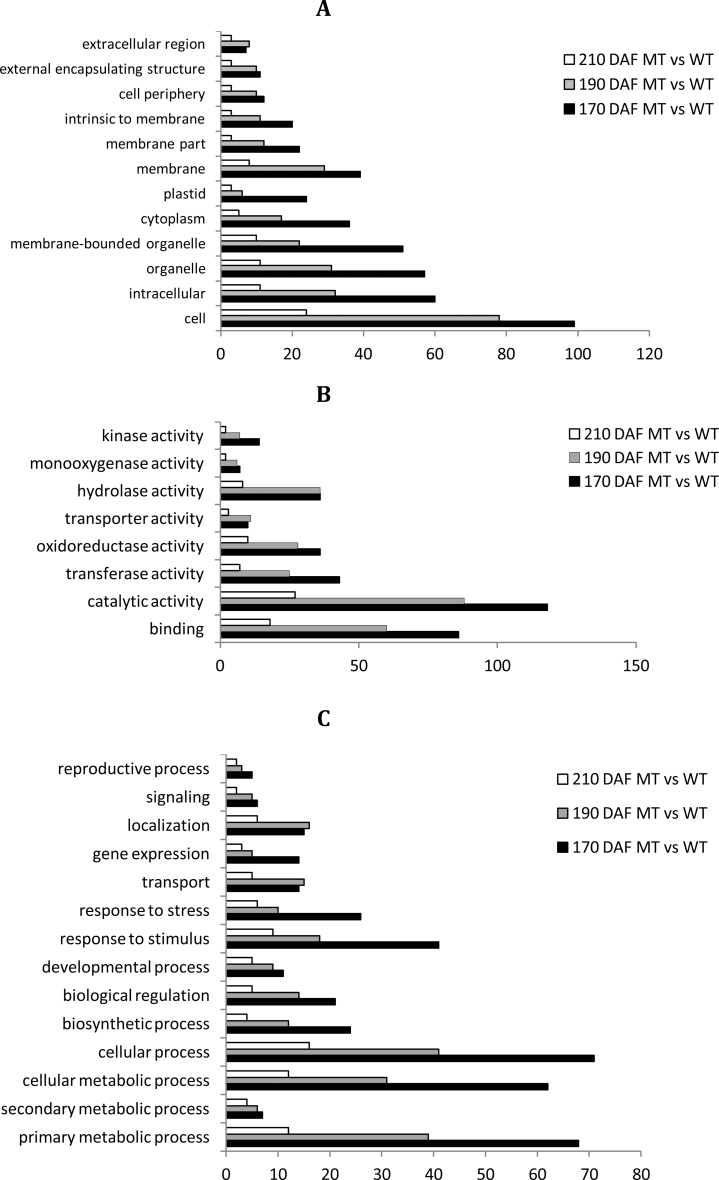
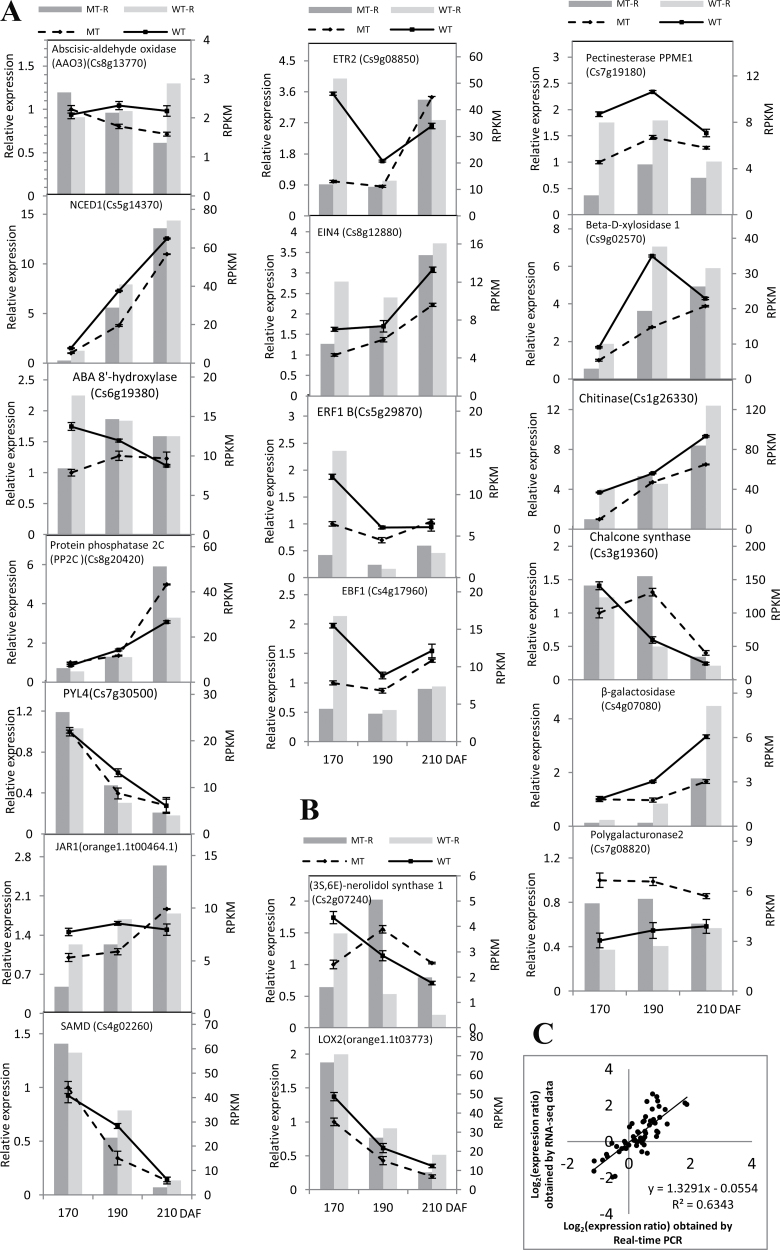
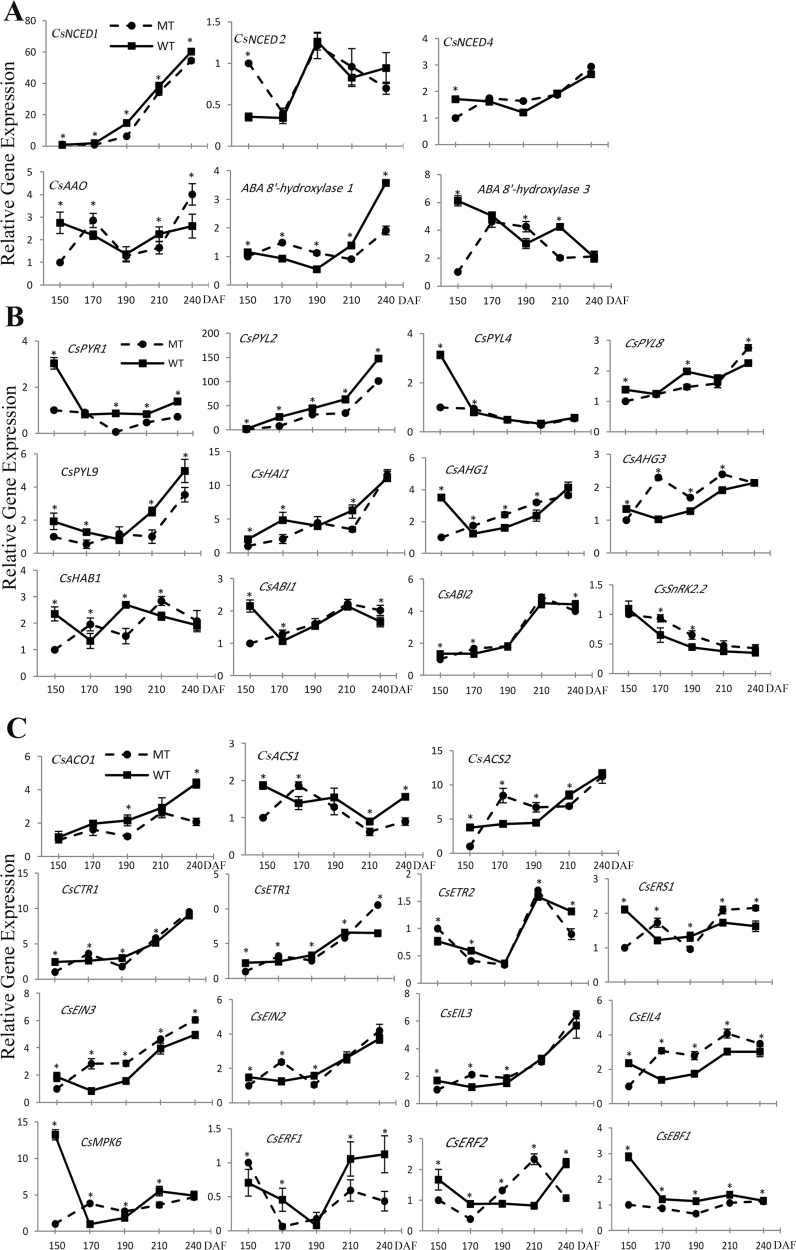
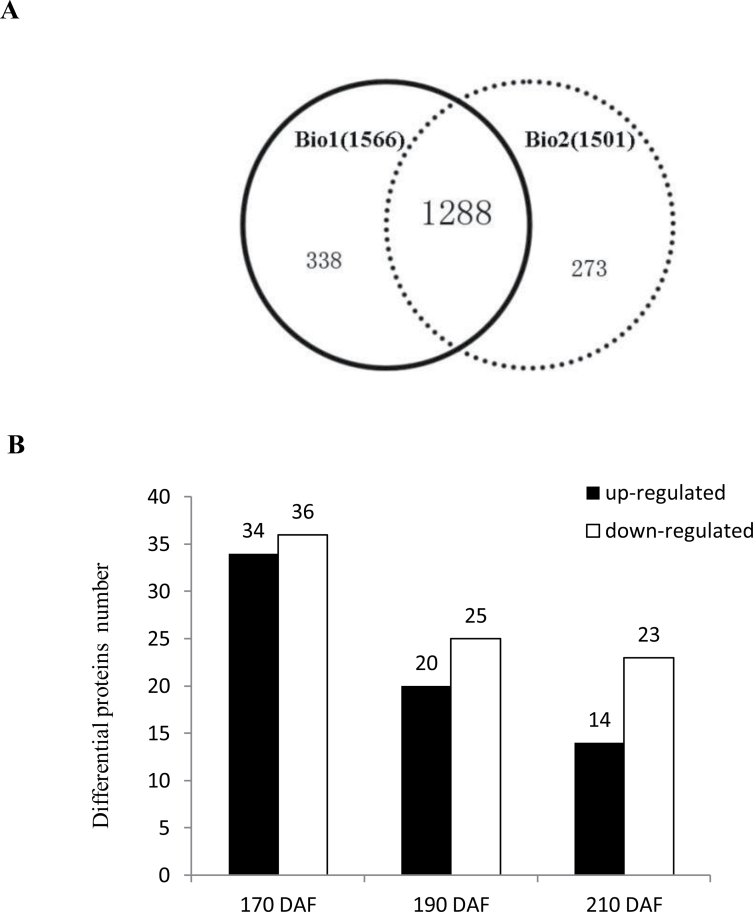
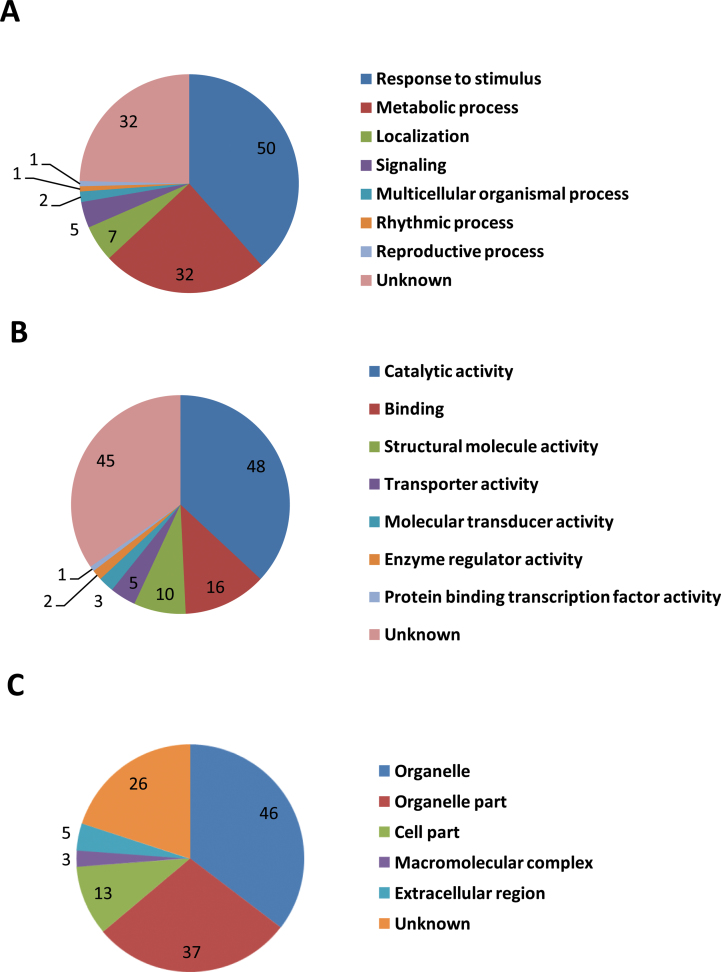
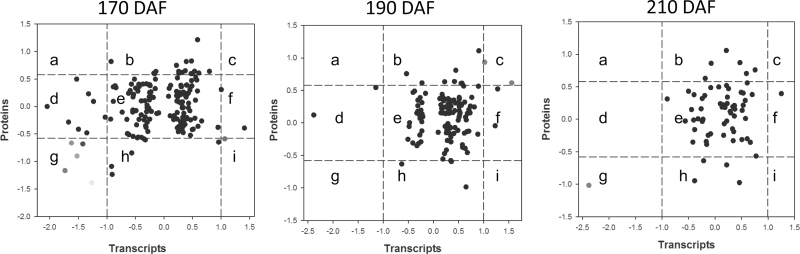
Fruit ripening is a complex, genetically programmed process that occurs in conjunction with the differentiation of chloroplasts into chromoplasts and involves changes to the organoleptic properties of the fruit. In this study, an integrative analysis of the transcriptome and proteome was performed to identify important regulators and pathways involved in fruit ripening in a spontaneous late-ripening mutant ('Fengwan' orange, Citrus sinensis L. Osbeck) and its wild type ('Fengjie 72-1'). At the transcript level, 628 genes showed a 2-fold or more expression difference between the mutant and wild type as detected by an RNA sequencing approach. At the protein level, 130 proteins differed by 1.5-fold or more in their relative abundance, as indicated by iTRAQ (isobaric tags for relative and absolute quantitation) analysis. A comparison of the transcriptome and proteome data revealed some aspects of the regulation of metabolism during orange fruit ripening. First, a large number of differential genes were found to belong to the plant hormone pathways and cell-wall-related metabolism. Secondly, we noted a correlation between ripening-associated transcripts and sugar metabolites, which suggests the importance of these metabolic pathways during fruit ripening. Thirdly, a number of genes showed inconsistency between the transcript and protein level, which is indicative of post-transcriptional events. These results reveal multiple ripening-associated events during citrus ripening and provide new insights into the molecular mechanisms underlying citrus ripening regulatory networks.
果实成熟是一个复杂的、由基因编程的过程,它与叶绿体向有色体的分化同时发生,并涉及果实感官特性的变化。在本研究中,对一个自发晚熟突变体(‘奉晚’脐橙,Citrus sinensis L. Osbeck)及其野生型(‘奉节72-1’)进行了转录组和蛋白质组的综合分析,以鉴定参与果实成熟的重要调控因子和途径。在转录水平上,通过RNA测序方法检测到,突变体和野生型之间有628个基因表现出2倍或更高的表达差异。在蛋白质水平上,iTRAQ(相对和绝对定量的等压标签)分析表明,有130种蛋白质的相对丰度差异达1.5倍或更高。转录组和蛋白质组数据的比较揭示了橙子果实成熟过程中代谢调控的一些方面。首先,发现大量差异基因属于植物激素途径和细胞壁相关代谢。其次,我们注意到成熟相关转录本与糖代谢物之间存在相关性,这表明这些代谢途径在果实成熟过程中的重要性。第三,一些基因在转录水平和蛋白质水平之间表现出不一致,这表明存在转录后事件。这些结果揭示了柑橘成熟过程中多个与成熟相关的事件,并为柑橘成熟调控网络的分子机制提供了新的见解。