Dolati Farzaneh, Yu Yin, Zhang Yahui, De Jesus Aribet M, Sander Edward A, Ozbolat Ibrahim T
Biomanufacturing Laboratory, Center for Computer-Aided Design, The University of Iowa, Iowa City, IA, USA. Mechanical and Industrial Engineering Department, The University of Iowa, Iowa City, IA, USA.
Nanotechnology. 2014 Apr 11;25(14):145101. doi: 10.1088/0957-4484/25/14/145101. Epub 2014 Mar 14.
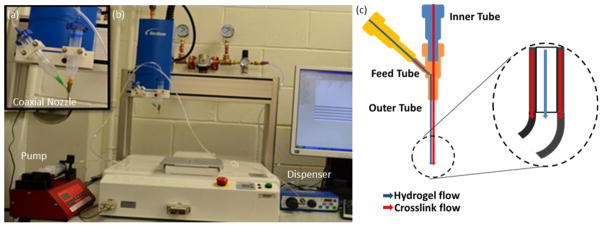
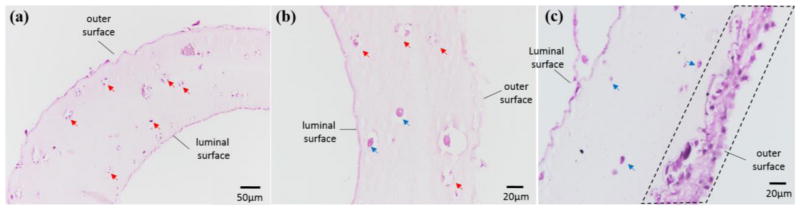
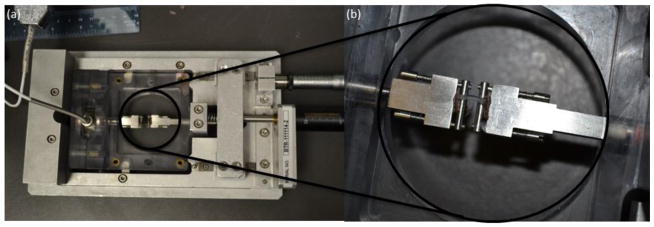
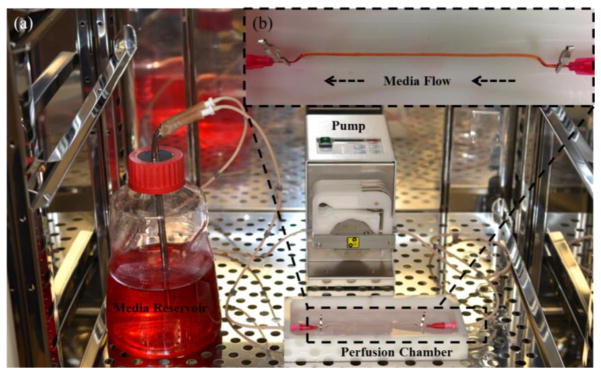
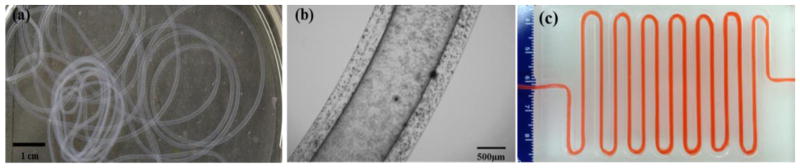
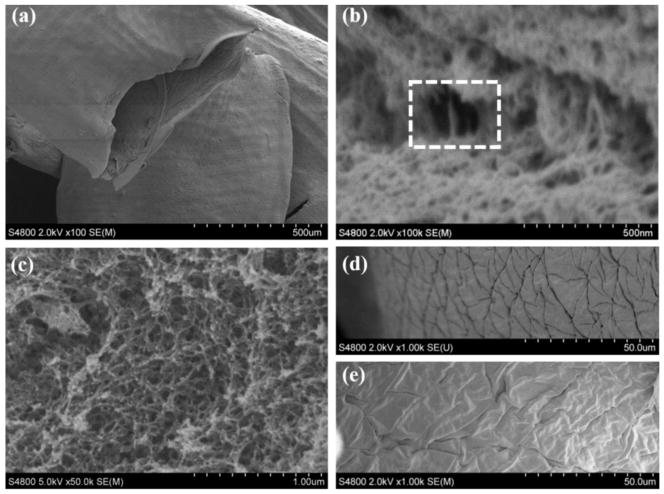
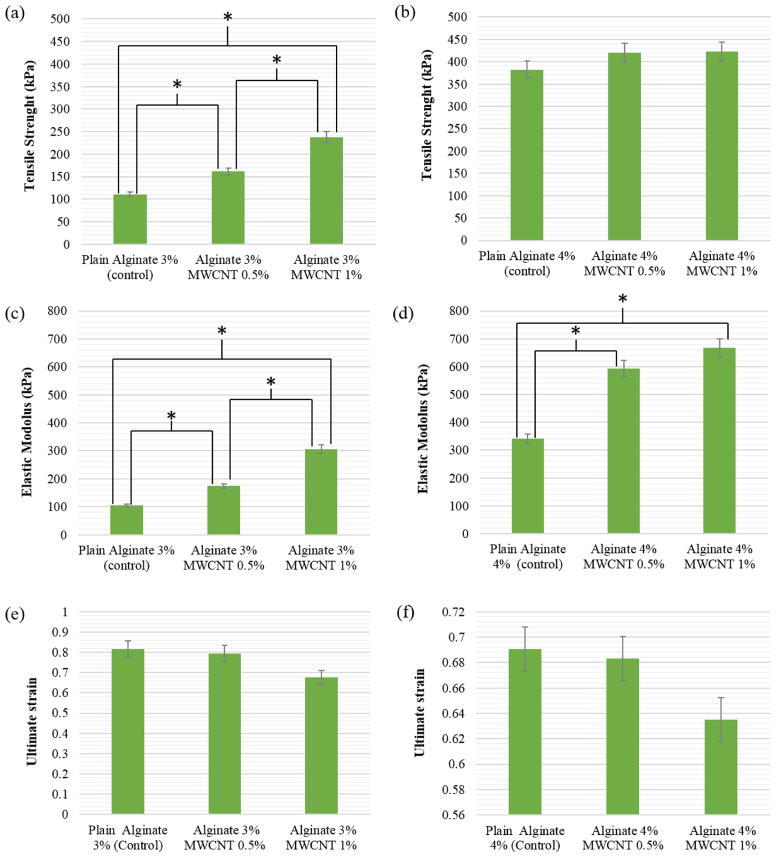
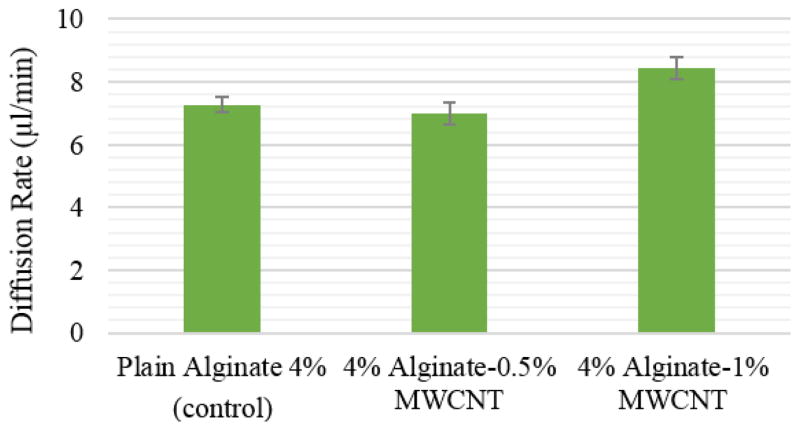
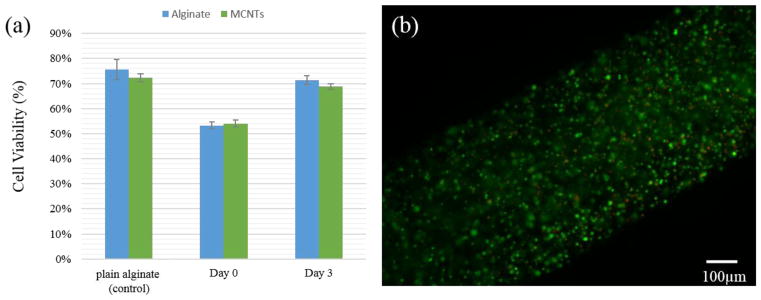
Vascularization of thick engineered tissue and organ constructs like the heart, liver, pancreas or kidney remains a major challenge in tissue engineering. Vascularization is needed to supply oxygen and nutrients and remove waste in living tissues and organs through a network that should possess high perfusion ability and significant mechanical strength and elasticity. In this paper, we introduce a fabrication process to print vascular conduits directly, where conduits were reinforced with carbon nanotubes (CNTs) to enhance their mechanical properties and bioprintability. In vitro evaluation of printed conduits encapsulated in human coronary artery smooth muscle cells was performed to characterize the effects of CNT reinforcement on the mechanical, perfusion and biological performance of the conduits. Perfusion and permeability, cell viability, extracellular matrix formation and tissue histology were assessed and discussed, and it was concluded that CNT-reinforced vascular conduits provided a foundation for mechanically appealing constructs where CNTs could be replaced with natural protein nanofibers for further integration of these conduits in large-scale tissue fabrication.
对于心脏、肝脏、胰腺或肾脏等厚实的工程组织和器官构建体而言,血管化仍然是组织工程中的一项重大挑战。血管化是通过一个应具备高灌注能力、显著机械强度和弹性的网络,来为活组织和器官提供氧气和营养物质,并清除废物。在本文中,我们介绍了一种直接打印血管导管的制造工艺,其中导管用碳纳米管(CNT)进行增强,以提高其机械性能和生物打印性。对包裹在人冠状动脉平滑肌细胞中的打印导管进行了体外评估,以表征碳纳米管增强对导管机械、灌注和生物学性能的影响。评估并讨论了灌注与渗透性、细胞活力、细胞外基质形成和组织病理学,得出的结论是,碳纳米管增强的血管导管为具有机械吸引力的构建体奠定了基础,在大规模组织制造中,可以用天然蛋白质纳米纤维替代碳纳米管,以进一步整合这些导管。