Jeon Soo Jin, Oh Manhwan, Yeo Won-Sik, Galvão Klibs N, Jeong Kwang Cheol
Emerging Pathogens Institute, University of Florida, Gainesville, Florida, United States of America; Department of Animal Sciences, Institute of Food and Agricultural Sciences, University of Florida, Gainesville, Florida, United States of America.
Department of Large Animal Clinical Sciences, College of Veterinary Medicine,University of Florida, Gainesville, Florida, United States of America; D. H. Barron Reproductive and Perinatal Biology Research Program, University of Florida, Gainesville, Florida, United States of America.
PLoS One. 2014 Mar 21;9(3):e92723. doi: 10.1371/journal.pone.0092723. eCollection 2014.
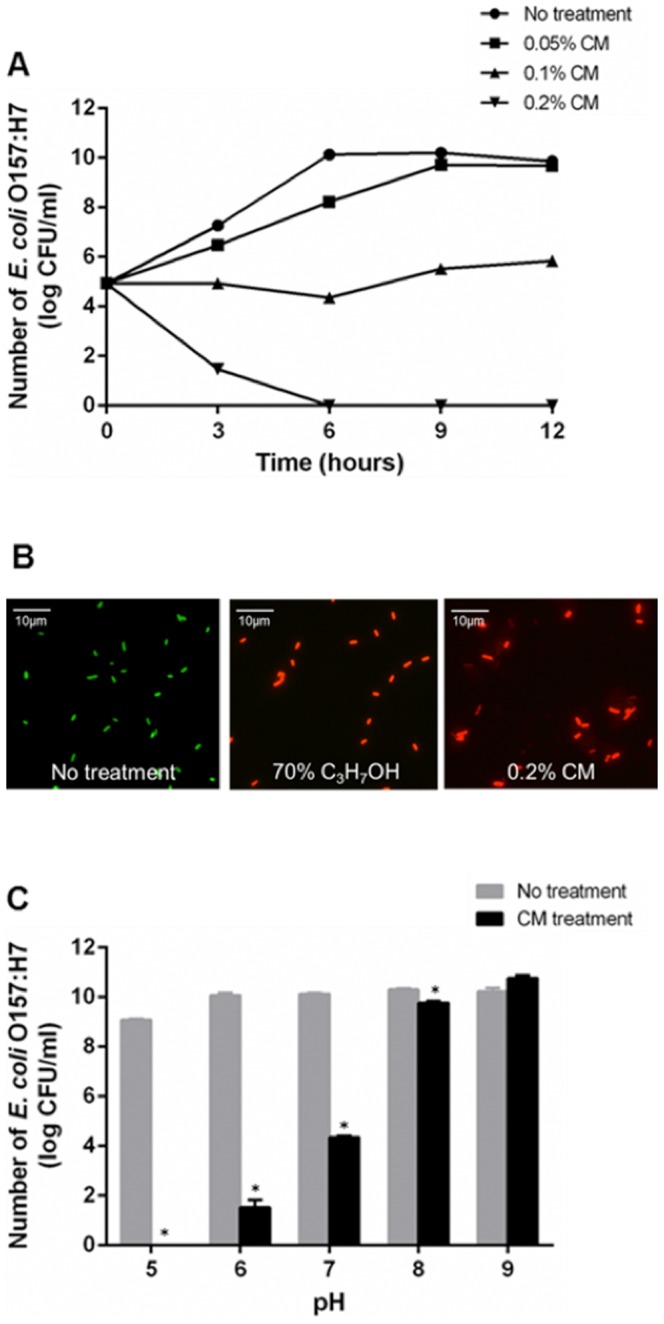
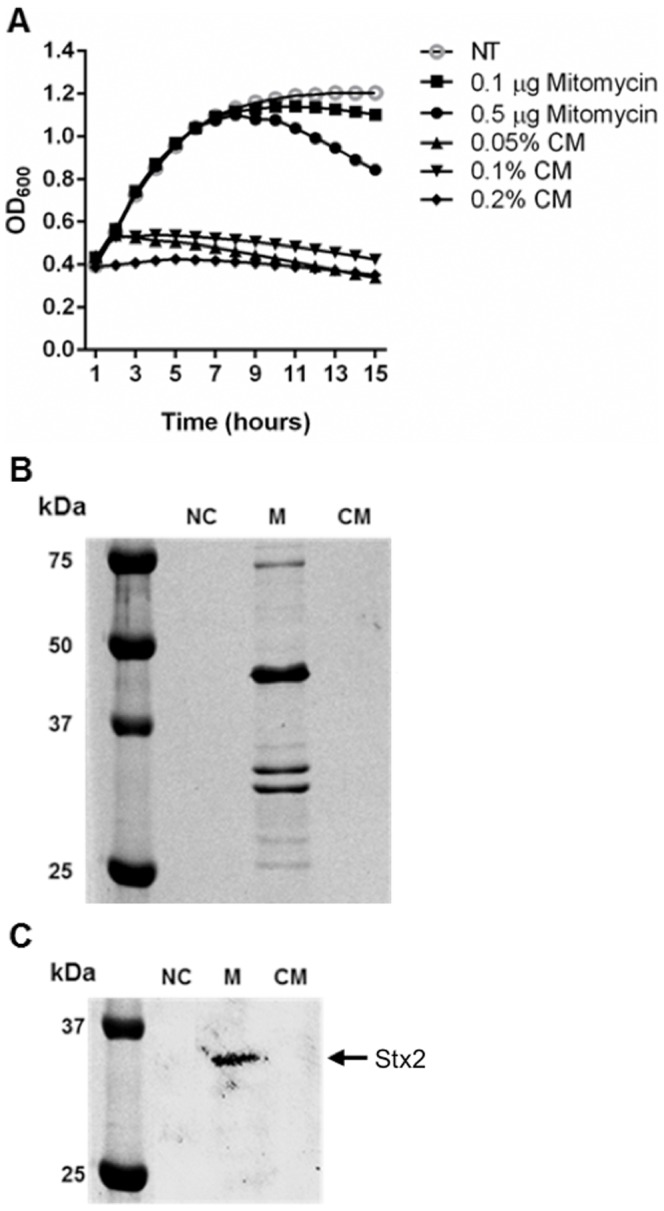
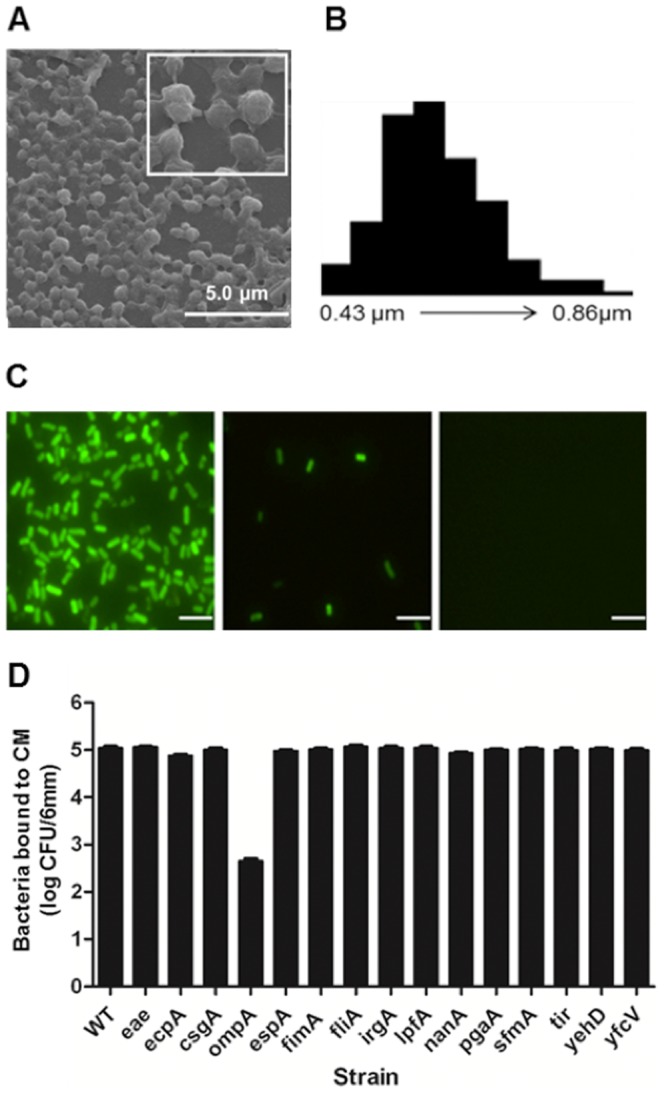
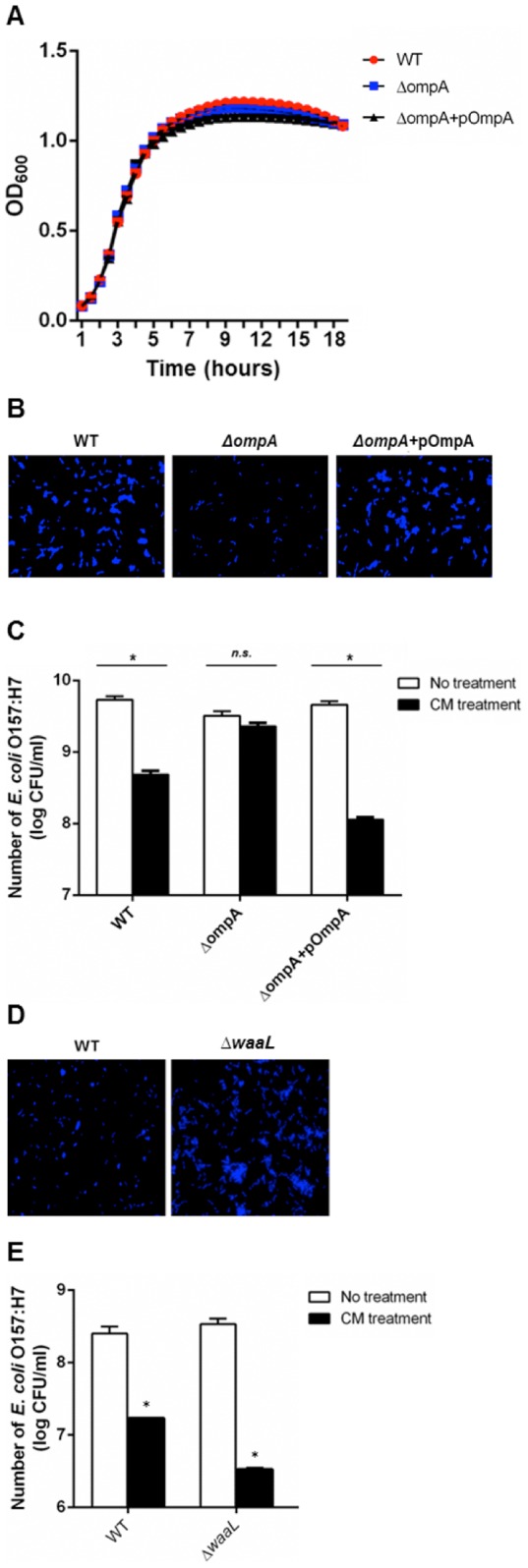
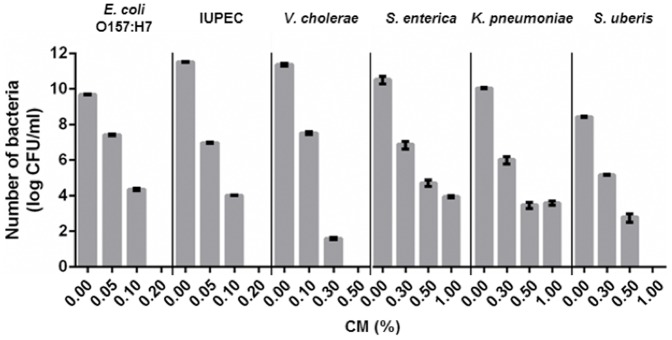
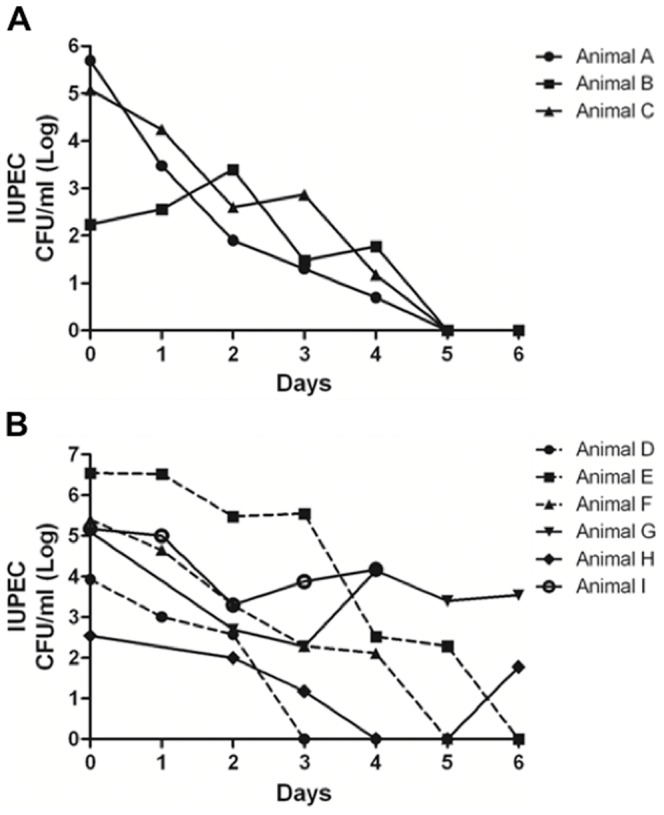
The emergence of antibiotic resistant microorganisms is a great public health concern and has triggered an urgent need to develop alternative antibiotics. Chitosan microparticles (CM), derived from chitosan, have been shown to reduce E. coli O157:H7 shedding in a cattle model, indicating potential use as an alternative antimicrobial agent. However, the underlying mechanism of CM on reducing the shedding of this pathogen remains unclear. To understand the mode of action, we studied molecular mechanisms of antimicrobial activity of CM using in vitro and in vivo methods. We report that CM are an effective bactericidal agent with capability to disrupt cell membranes. Binding assays and genetic studies with an ompA mutant strain demonstrated that outer membrane protein OmpA of E. coli O157:H7 is critical for CM binding, and this binding activity is coupled with a bactericidal effect of CM. This activity was also demonstrated in an animal model using cows with uterine diseases. CM treatment effectively reduced shedding of intrauterine pathogenic E. coli (IUPEC) in the uterus compared to antibiotic treatment. Since Shiga-toxins encoded in the genome of bacteriophage is often overexpressed during antibiotic treatment, antibiotic therapy is generally not recommended because of high risk of hemolytic uremic syndrome. However, CM treatment did not induce bacteriophage or Shiga-toxins in E. coli O157:H7; suggesting that CM can be a potential candidate to treat infections caused by this pathogen. This work establishes an underlying mechanism whereby CM exert antimicrobial activity in vitro and in vivo, providing significant insight for the treatment of diseases caused by a broad spectrum of pathogens including antibiotic resistant microorganisms.
抗生素耐药微生物的出现是一个重大的公共卫生问题,引发了开发替代抗生素的迫切需求。壳聚糖微粒(CM)由壳聚糖衍生而来,已被证明在牛模型中可减少大肠杆菌O157:H7的排泄,表明其有作为替代抗菌剂的潜在用途。然而,CM减少这种病原体排泄的潜在机制仍不清楚。为了解其作用方式,我们使用体外和体内方法研究了CM抗菌活性的分子机制。我们报告称,CM是一种有效的杀菌剂,具有破坏细胞膜的能力。与ompA突变菌株的结合试验和基因研究表明,大肠杆菌O157:H7的外膜蛋白OmpA对CM结合至关重要,且这种结合活性与CM的杀菌作用相关。在患有子宫疾病的奶牛动物模型中也证实了这种活性。与抗生素治疗相比,CM治疗有效减少了子宫内致病性大肠杆菌(IUPEC)的排泄。由于噬菌体基因组中编码的志贺毒素在抗生素治疗期间通常会过度表达,因此由于溶血性尿毒症综合征的高风险,一般不推荐使用抗生素治疗。然而,CM治疗并未在大肠杆菌O157:H7中诱导噬菌体或志贺毒素;这表明CM可能是治疗由该病原体引起的感染的潜在候选药物。这项工作确立了CM在体外和体内发挥抗菌活性的潜在机制,为治疗包括抗生素耐药微生物在内的多种病原体引起的疾病提供了重要见解。