Chiu Han-Chen, Hannemann Holger, Heesom Kate J, Matthews David A, Davidson Andrew D
School of Cellular and Molecular Medicine Faculty of Medical and Veterinary Sciences, University of Bristol, Bristol, United Kingdom.
Proteomics Facility, Faculty of Medical and Veterinary Sciences, University of Bristol, Bristol, United Kingdom.
PLoS One. 2014 Mar 26;9(3):e93305. doi: 10.1371/journal.pone.0093305. eCollection 2014.
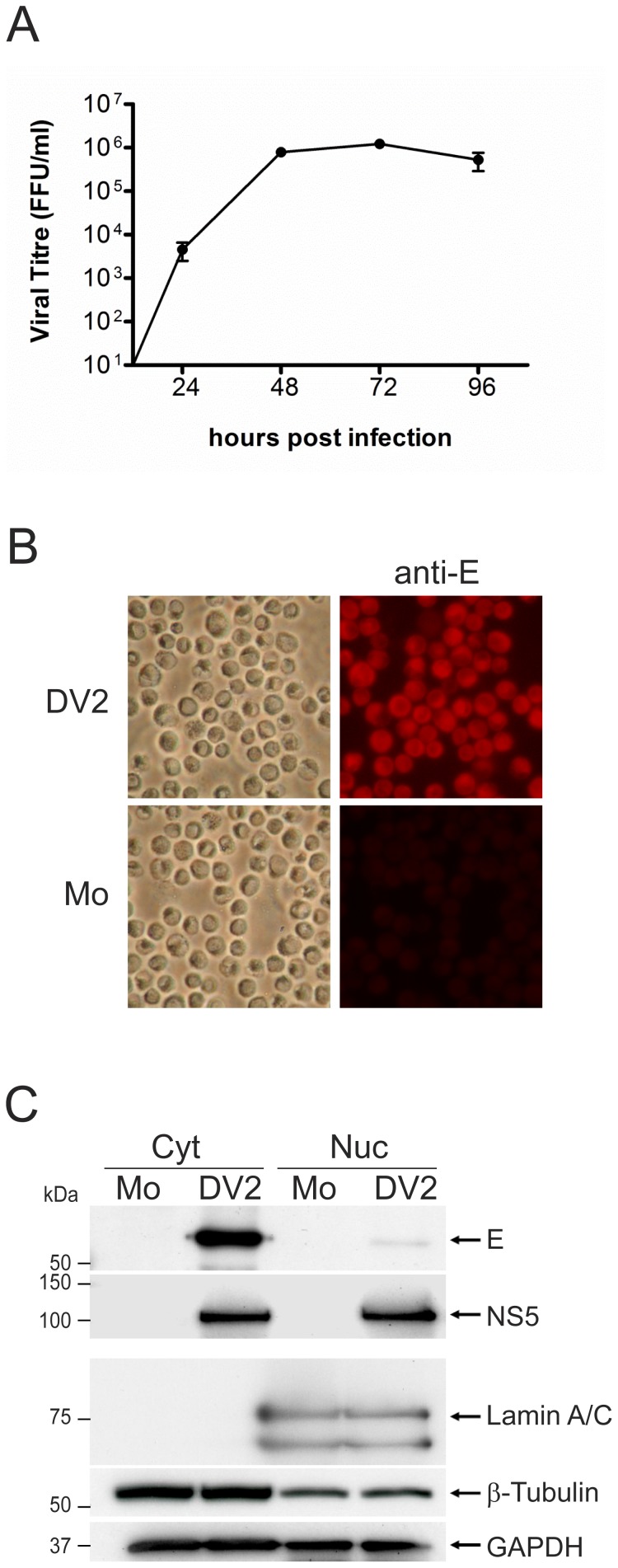
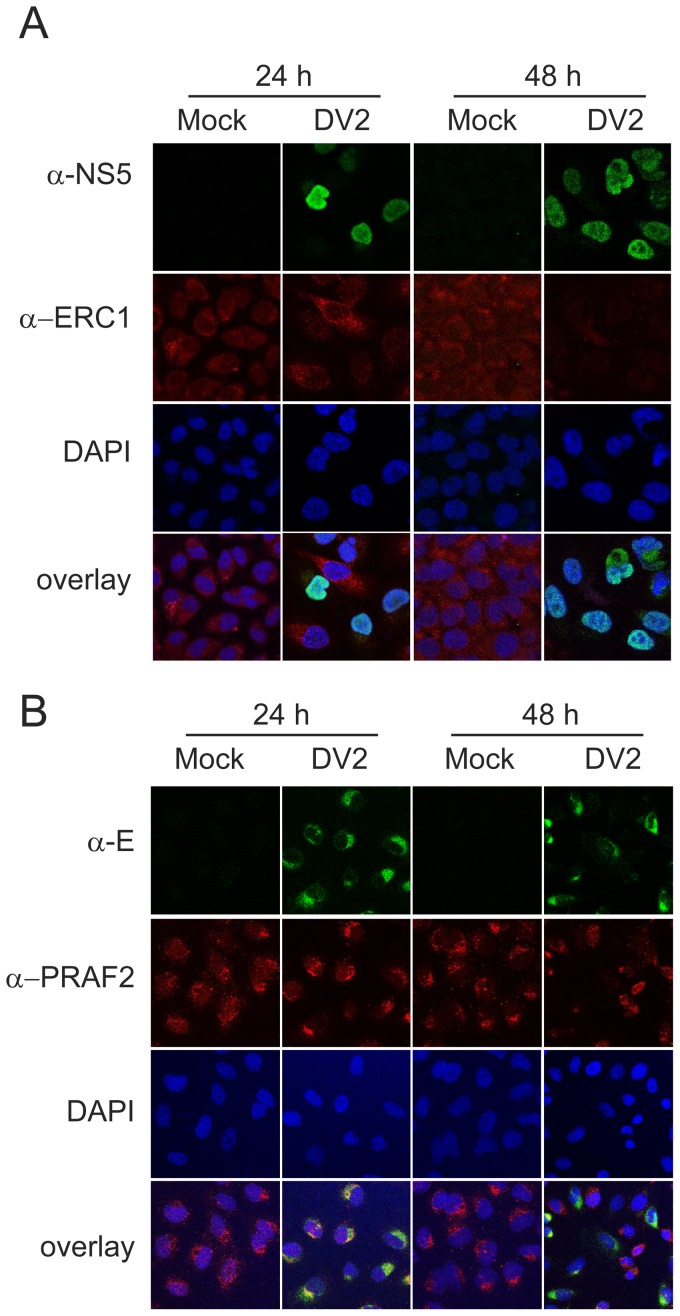
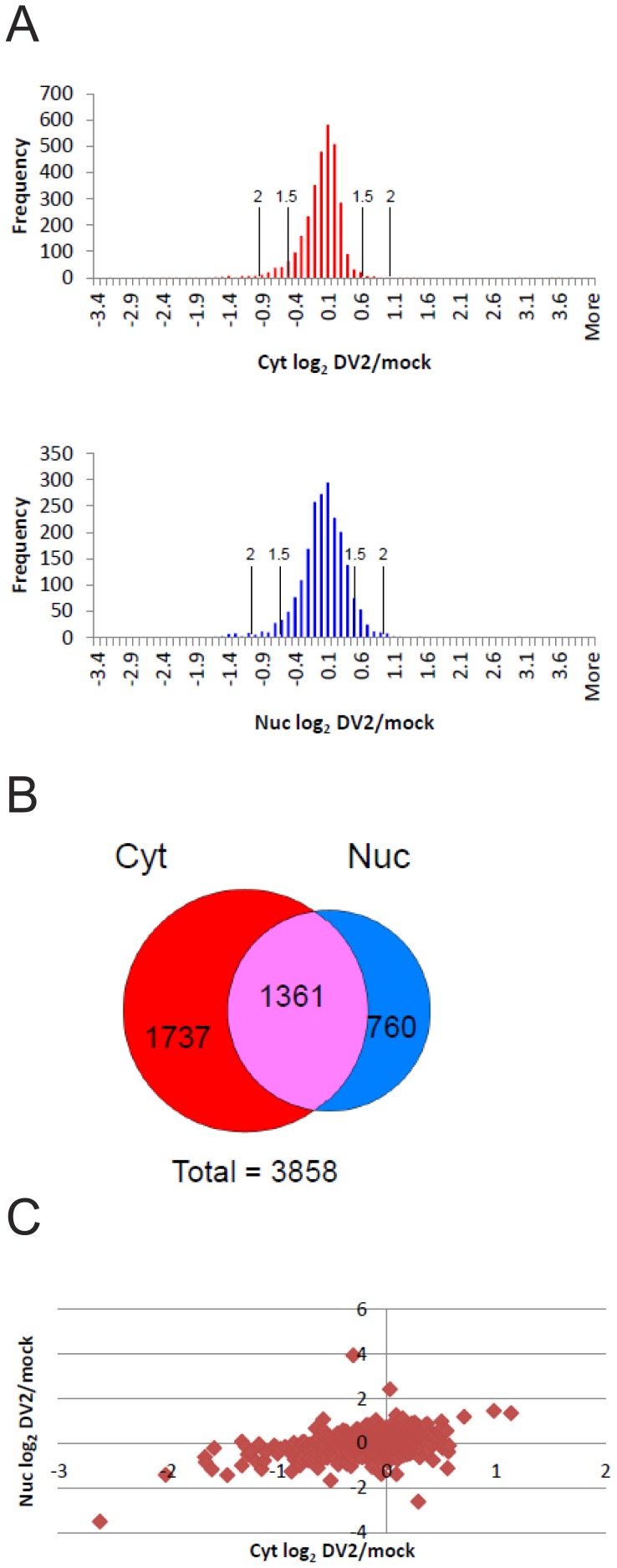
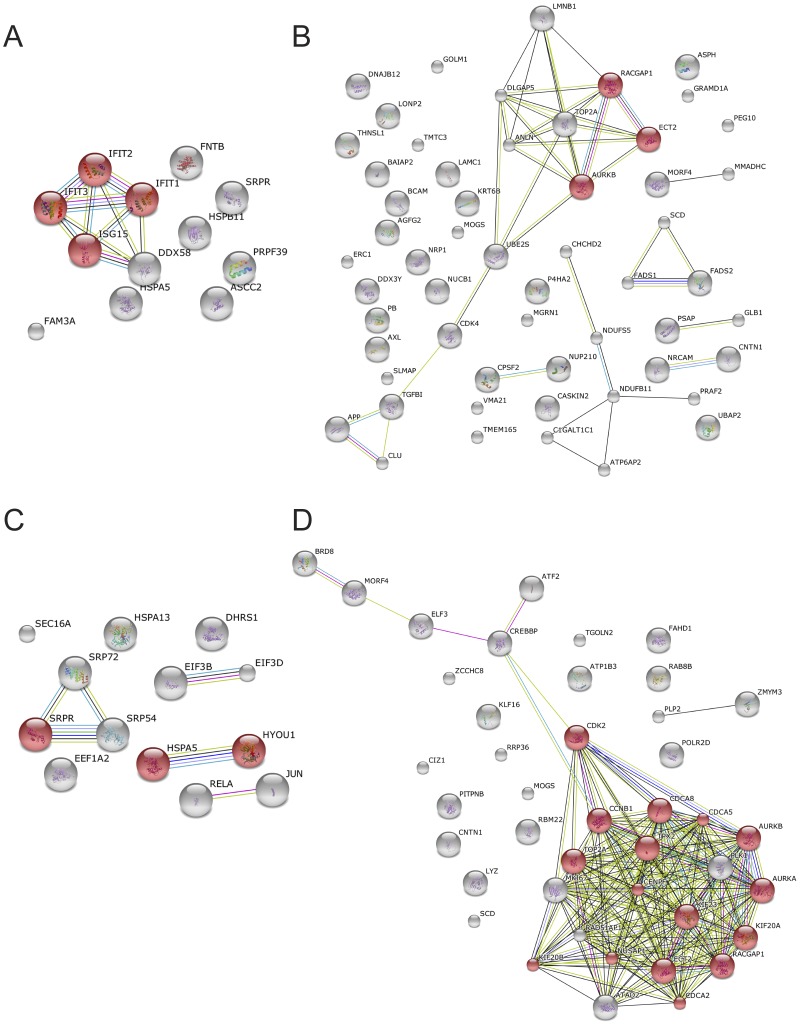
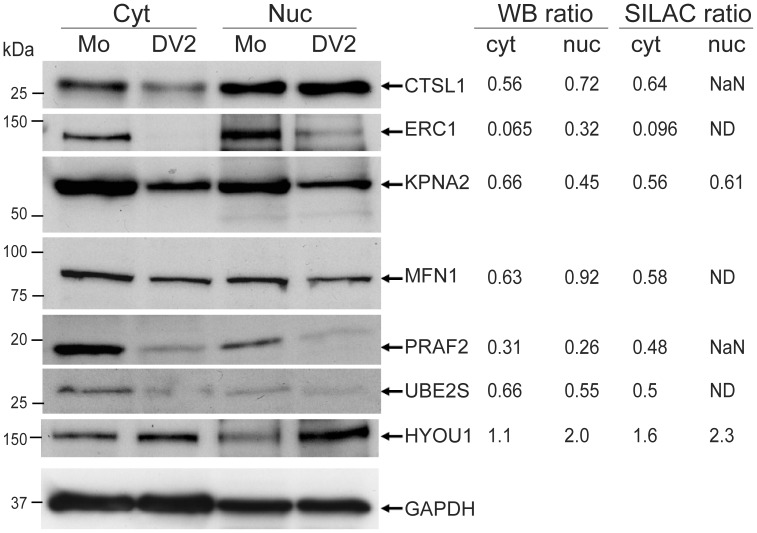
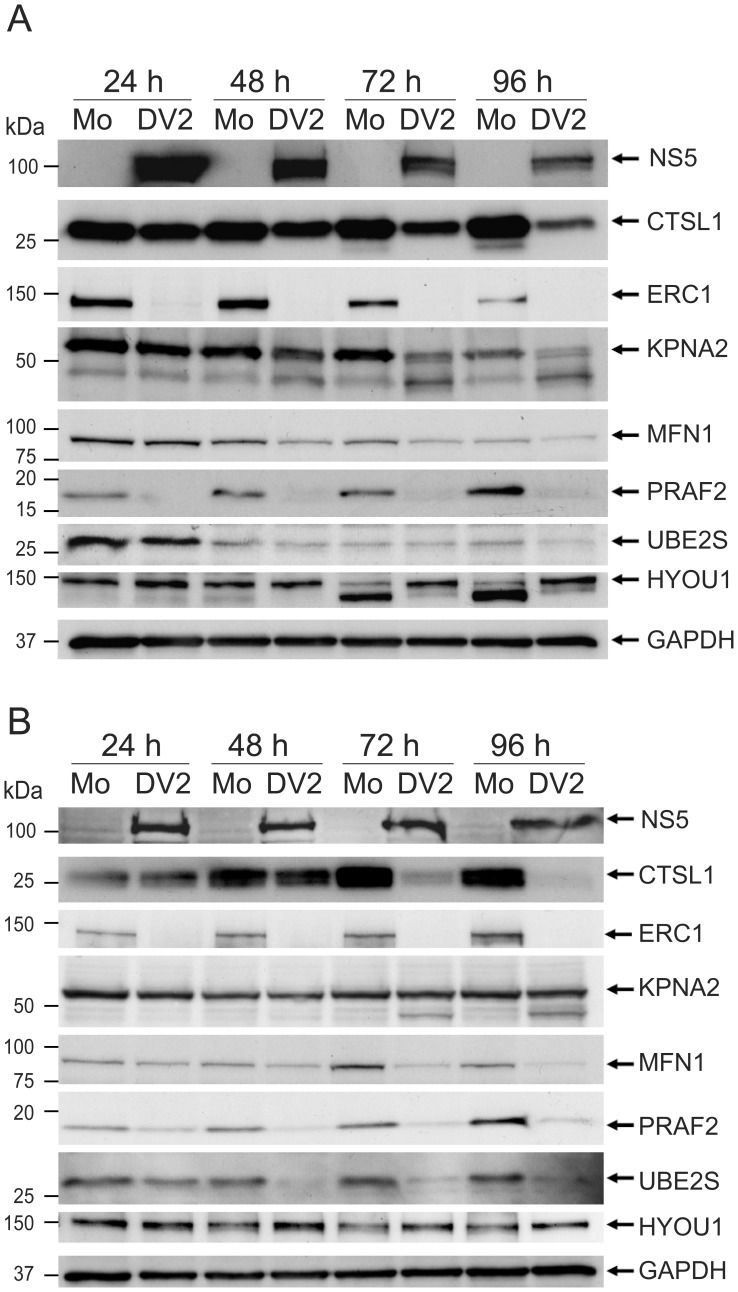
Disease caused by dengue virus is a global health concern with up to 390 million individuals infected annually worldwide. There are no vaccines or antiviral compounds available to either prevent or treat dengue disease which may be fatal. To increase our understanding of the interaction of dengue virus with the host cell, we analyzed changes in the proteome of human A549 cells in response to dengue virus type 2 infection using stable isotope labelling in cell culture (SILAC) in combination with high-throughput mass spectrometry (MS). Mock and infected A549 cells were fractionated into nuclear and cytoplasmic extracts before analysis to identify proteins that redistribute between cellular compartments during infection and reduce the complexity of the analysis. We identified and quantified 3098 and 2115 proteins in the cytoplasmic and nuclear fractions respectively. Proteins that showed a significant alteration in amount during infection were examined using gene enrichment, pathway and network analysis tools. The analyses revealed that dengue virus infection modulated the amounts of proteins involved in the interferon and unfolded protein responses, lipid metabolism and the cell cycle. The SILAC-MS results were validated for a select number of proteins over a time course of infection by Western blotting and immunofluorescence microscopy. Our study demonstrates for the first time the power of SILAC-MS for identifying and quantifying novel changes in cellular protein amounts in response to dengue virus infection.
登革病毒引起的疾病是一个全球健康问题,全球每年有多达3.9亿人感染。目前尚无可用的疫苗或抗病毒化合物来预防或治疗可能致命的登革热疾病。为了增进我们对登革病毒与宿主细胞相互作用的理解,我们使用细胞培养中的稳定同位素标记(SILAC)结合高通量质谱(MS),分析了人A549细胞蛋白质组在感染2型登革病毒后的变化。在分析之前,将未感染和感染的A549细胞分离成核提取物和细胞质提取物,以鉴定在感染期间在细胞区室之间重新分布的蛋白质,并降低分析的复杂性。我们分别在细胞质和核部分中鉴定并定量了3098种和2115种蛋白质。使用基因富集、通路和网络分析工具检查了在感染期间数量有显著变化的蛋白质。分析表明,登革病毒感染调节了参与干扰素和未折叠蛋白反应、脂质代谢和细胞周期的蛋白质数量。通过蛋白质印迹法和免疫荧光显微镜在感染的时间过程中对选定数量的蛋白质验证了SILAC-MS结果。我们的研究首次证明了SILAC-MS在鉴定和定量响应登革病毒感染的细胞蛋白质数量新变化方面的能力。