Gomathi Sivasamy, Sasikumar Ponnusamy, Anbazhagan Kolandaswamy, Sasikumar Sundaresan, Kavitha Murugan, Selvi M S, Selvam Govindan Sadasivam
Department of Biochemistry, Centre for Advanced Studies in Organismal and Functional Genomics, School of Biological Sciences, Madurai Kamaraj University (University with Potential for Excellence), Madurai 625 021, India.
INSERM-U844, Hopital St. Eloi, Institut des Neuroscience de Montpellier Building, 34091 Montpellier, France.
ScientificWorldJournal. 2014 Feb 11;2014:648059. doi: 10.1155/2014/648059. eCollection 2014.
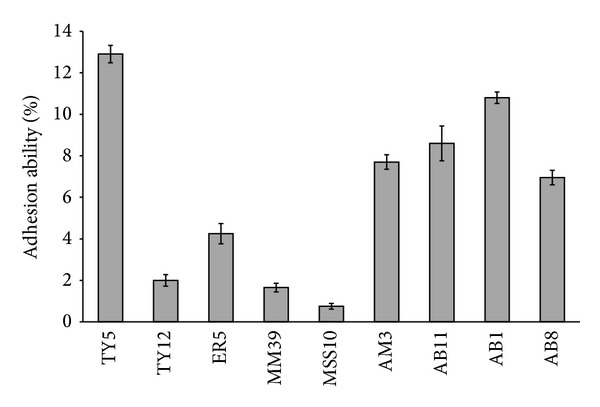
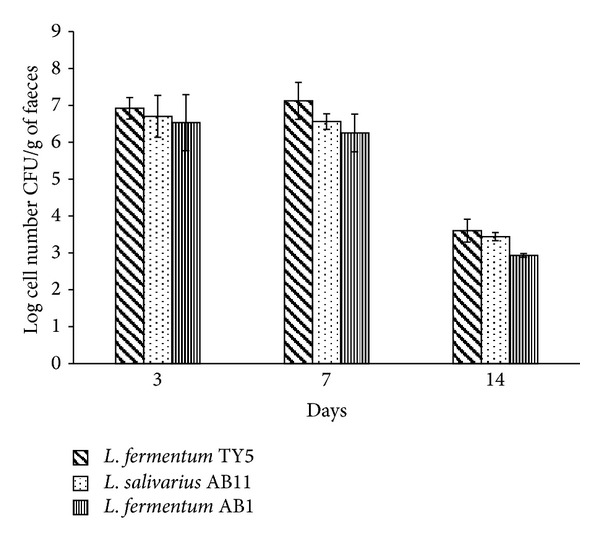
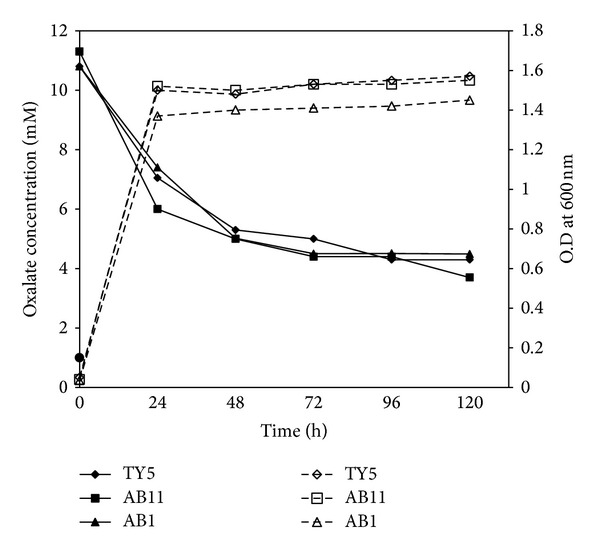
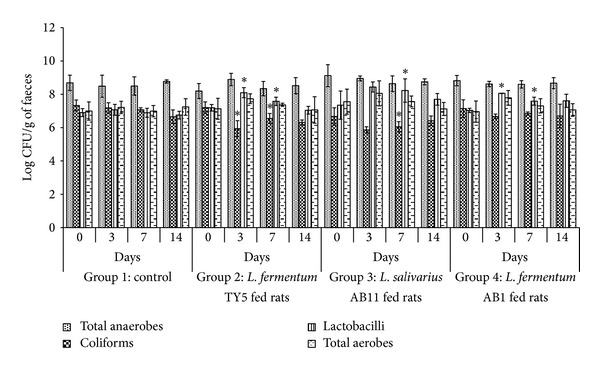
Lactic acid bacteria (LAB) have the potential to degrade intestinal oxalate and this is increasingly being studied as a promising probiotic solution to manage kidney stone disease. In this study, oxalate degrading LAB were isolated from human faeces and south Indian fermented foods, subsequently assessed for potential probiotic property in vitro and in vivo. Based on preliminary characteristics, 251 out of 673 bacterial isolates were identified as LAB. A total of 17 strains were found to degrade oxalate significantly between 40.38% and 62.90% and were subjected to acid and bile tolerance test. Among them, nine strains exhibited considerable tolerance up to pH 3.0 and at 0.3% bile. These were identified as Lactobacillus fermentum and Lactobacillus salivarius using 16S rDNA sequencing. Three strains, Lactobacillus fermentum TY5, Lactobacillus fermentum AB1, and Lactobacillus salivarius AB11, exhibited good adhesion to HT-29 cells and strong antimicrobial activity. They also conferred resistance to kanamycin, rifampicin, and ampicillin, but were sensitive to chloramphenicol and erythromycin. The faecal recovery rate of these strains was observed as 15.16% (TY5), 6.71% (AB1), and 9.3% (AB11) which indicates the colonization ability. In conclusion, three efficient oxalate degrading LAB were identified and their safety assessments suggest that they may serve as good probiotic candidates for preventing hyperoxaluria.
乳酸菌(LAB)具有降解肠道草酸盐的潜力,作为一种有前景的益生菌解决方案来管理肾结石疾病,这一特性正日益受到研究。在本研究中,从人类粪便和印度南部发酵食品中分离出草酸盐降解乳酸菌,随后在体外和体内评估其潜在的益生菌特性。根据初步特征,673株细菌分离物中有251株被鉴定为乳酸菌。共发现17株菌株能显著降解草酸盐,降解率在40.38%至62.90%之间,并对其进行了耐酸和耐胆汁试验。其中,9株菌株在pH值为3.0和胆汁浓度为0.3%时表现出相当的耐受性。通过16S rDNA测序将这些菌株鉴定为发酵乳杆菌和唾液乳杆菌。三株菌株,即发酵乳杆菌TY5、发酵乳杆菌AB1和唾液乳杆菌AB11,对HT-29细胞表现出良好的粘附性和较强的抗菌活性。它们还对卡那霉素、利福平、氨苄青霉素具有抗性,但对氯霉素和红霉素敏感。观察到这些菌株的粪便回收率分别为15.16%(TY5)、6.71%(AB1)和9.3%(AB11),这表明了它们的定殖能力。总之,鉴定出了三种高效的草酸盐降解乳酸菌,其安全性评估表明它们可能是预防高草酸尿症的良好益生菌候选菌株。