Dyson School of Applied Economics and Management at Cornell University, Ithaca, New York, United States of America.
Marketing, Dyson School of Applied Economics and Management at Cornell University, Ithaca, New York, United States of America.
PLoS One. 2014 Apr 16;9(4):e91022. doi: 10.1371/journal.pone.0091022. eCollection 2014.
Currently, 68.3% of the milk available in schools is flavored, with chocolate being the most popular (61.6% of all milk). If chocolate milk is removed from a school cafeteria, what will happen to overall milk selection and consumption?
In a before-after study in 11 Oregon elementary schools, flavored milk-which will be referred to as chocolate milk-was banned from the cafeteria. Milk sales, school enrollment, and data for daily participation in the National School Lunch Program (NSLP) were compared year to date.
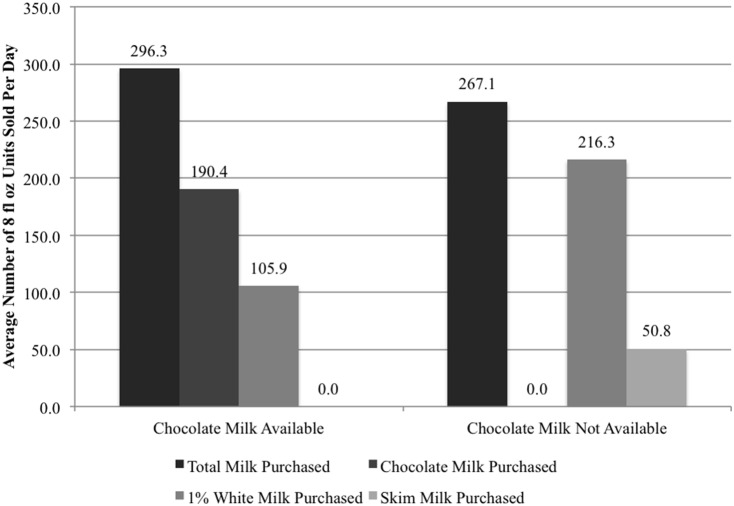
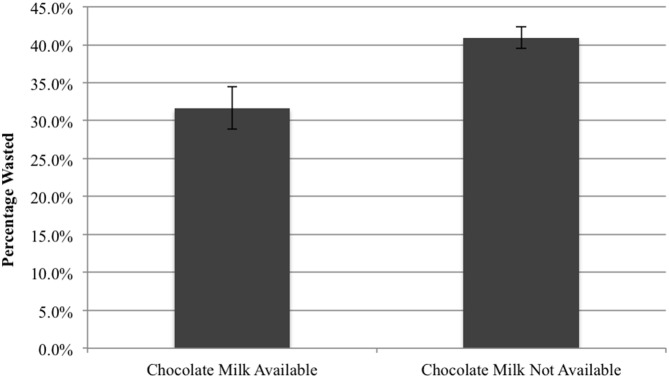
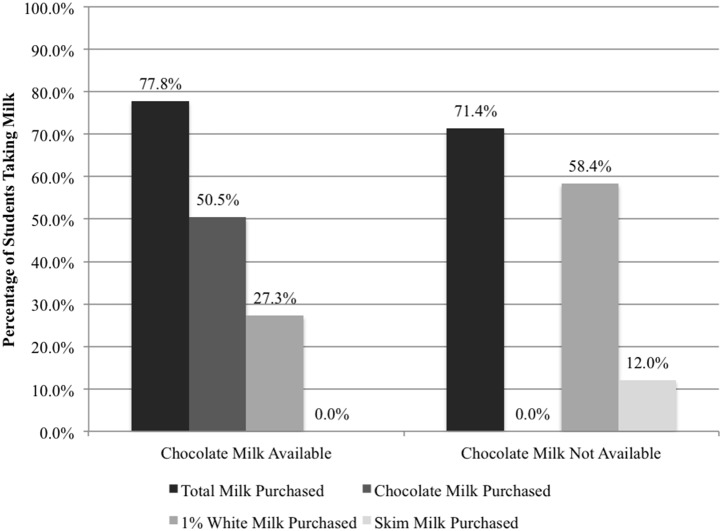
Total daily milk sales declined by 9.9% (p<0.01). Although white milk increased by 161.2 cartons per day (p<0.001), 29.4% of this milk was thrown away. Eliminating chocolate milk was also associated with 6.8% fewer students eating school lunches, and although other factors were also involved, this is consistent with the notion of psychological reactance.
Removing chocolate milk from school cafeterias may reduce calorie and sugar consumption, but it may also lead students to take less milk overall, drink less (waste more) of the white milk they do take, and no longer purchase school lunch. Food service managers need to carefully weigh the costs and benefits of eliminating chocolate milk and should consider alternative options that make white milk more convenient, attractive, and normal to choose.
目前,学校供应的牛奶有 68.3%是调味乳,其中巧克力口味最受欢迎(占所有牛奶的 61.6%)。如果学校餐厅取消巧克力牛奶,整体牛奶选择和消费情况会如何变化?
在俄勒冈州 11 所小学进行的一项前后对照研究中,食堂禁止供应调味乳(将其称为巧克力牛奶)。对比了同期在校内销售的牛奶量、学校注册人数,以及参与国家学校午餐计划(NSLP)的每日数据。
每日牛奶总销量下降了 9.9%(p<0.01)。尽管白奶的销量每天增加了 161.2 盒(p<0.001),但其中 29.4%被丢弃。取消巧克力牛奶供应还与在校吃午餐的学生减少了 6.8%有关,尽管还涉及其他因素,但这与心理抗拒的概念一致。
从学校餐厅取消巧克力牛奶供应可能会减少热量和糖的摄入,但也可能导致学生整体饮用的牛奶量减少,他们所喝的白奶(浪费更多)也会减少,并且不再购买学校午餐。餐饮服务管理人员需要仔细权衡取消巧克力牛奶的成本和收益,并考虑其他替代方案,使白奶更方便、更具吸引力且更普遍,成为首选。