Division of Biotechnology, Advanced Institute of Environment and Bioscience, College of Environmental and Bioresource Sciences, Chonbuk National University, Iksan, South Korea ; PG and Research Department of Biotechnology, Mahendra Arts and Science College, Kalippatti, Namakkal, Tamil Nadu, India.
PG and Research Department of Biotechnology, Mahendra Arts and Science College, Kalippatti, Namakkal, Tamil Nadu, India.
Int J Nanomedicine. 2014 Mar 31;9:1593-9. doi: 10.2147/IJN.S58932. eCollection 2014.
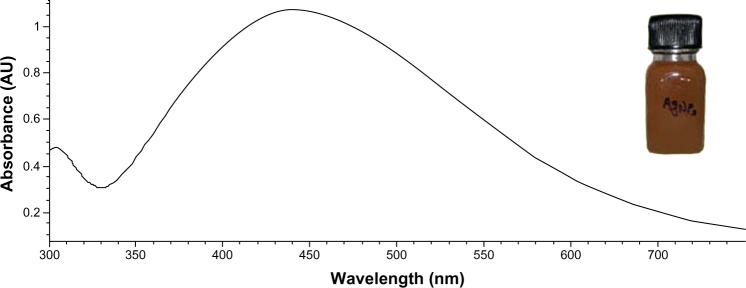
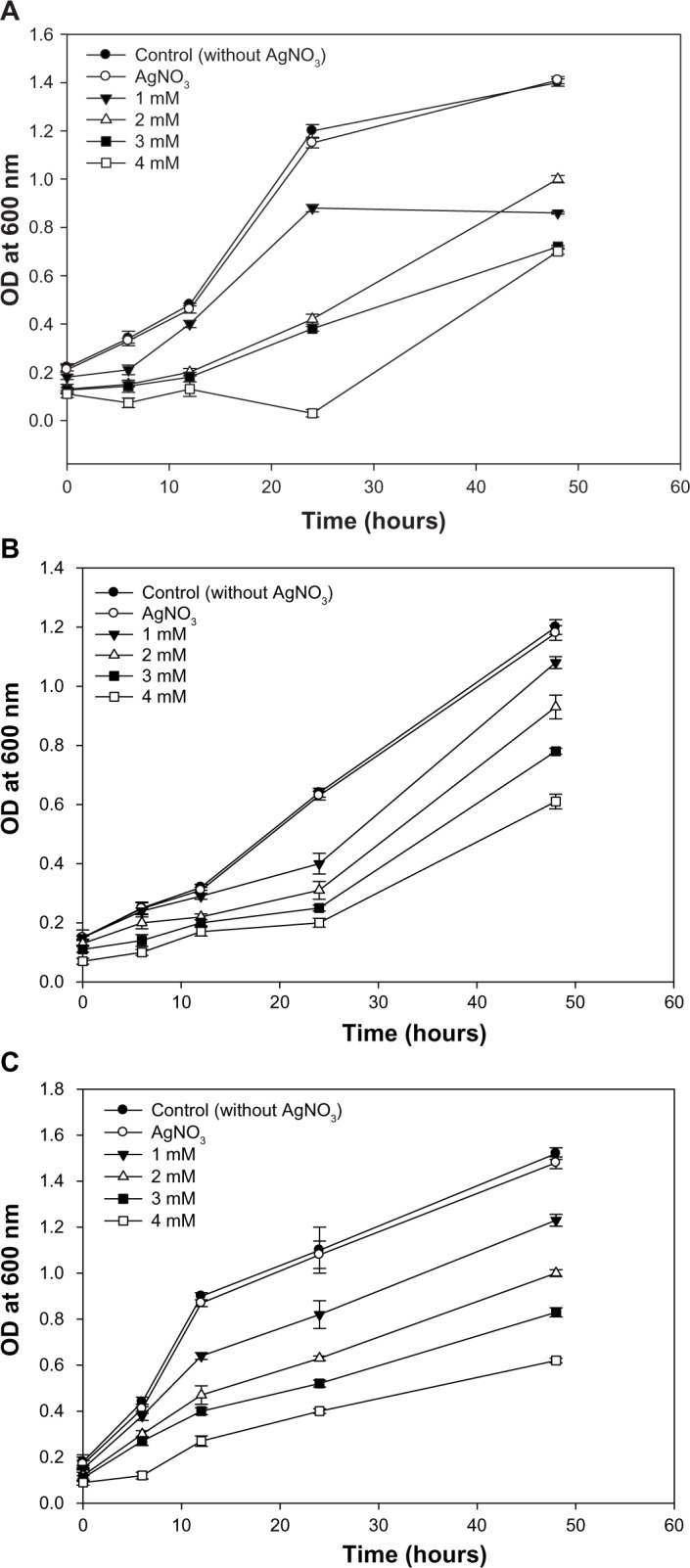
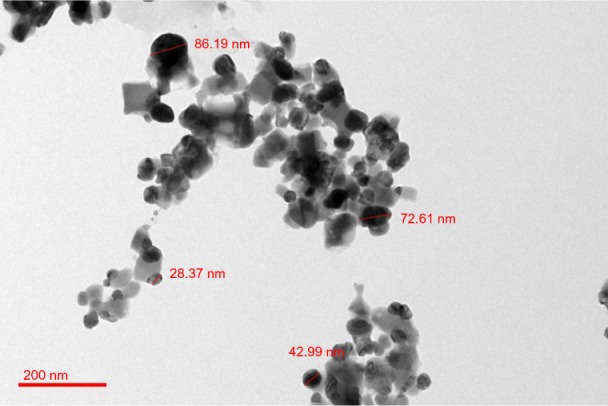
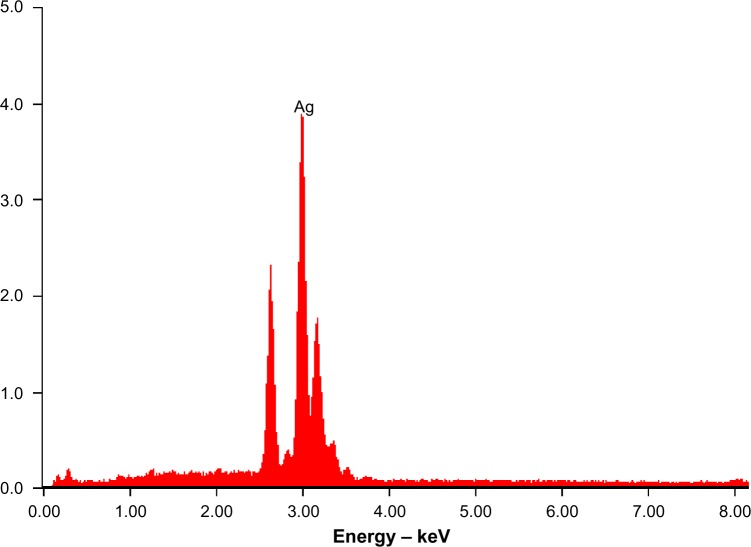
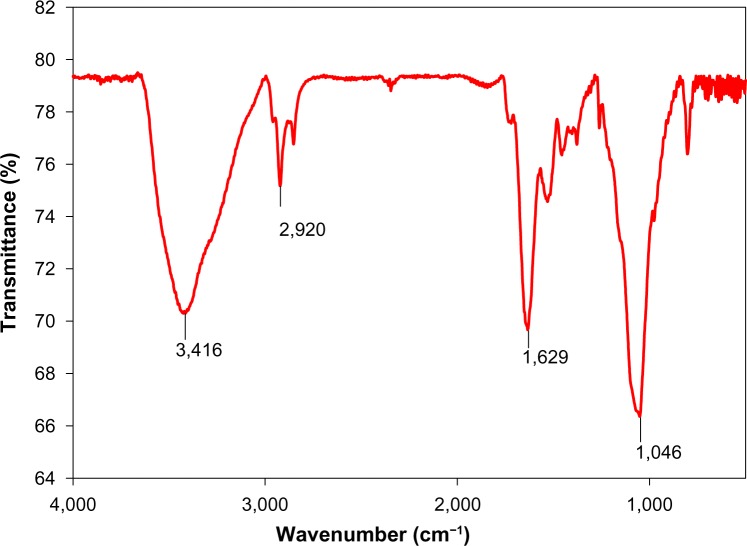
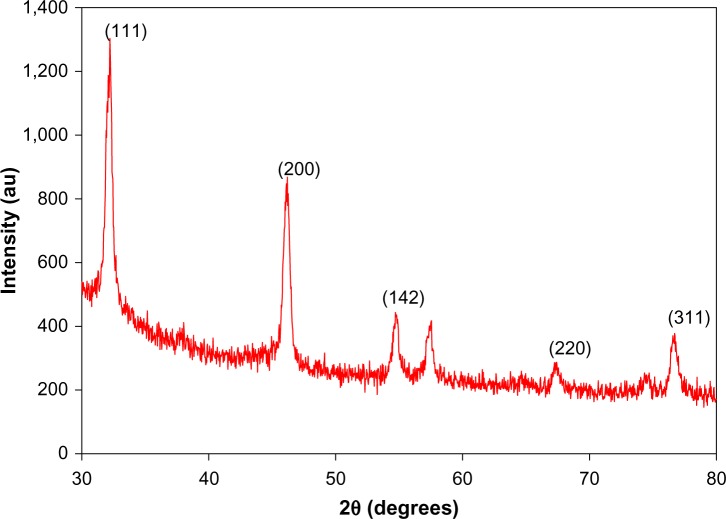
Synthesis of silver nanoparticles (AgNPs) with biological properties is of vast significance in the development of scientifically valuable products. In the present study, we describe simple, unprecedented, nontoxic, eco-friendly, green synthesis of AgNPs using an Indian traditional farming formulating agent, panchakavya. Silver nitrate (1 mM) solution was mixed with panchakavya filtrate for the synthesis of AgNPs. The nanometallic dispersion was characterized by surface plasmon absorbance measuring 430 nm. Transmission electron microscopy showed the morphology and size of the AgNPs. Scanning electron microscopy-energy-dispersive spectroscopy and X-ray diffraction analysis confirmed the presence of AgNPs. Fourier transform infrared spectroscopy analysis revealed that proteins in the panchakavya were involved in the reduction and capping of AgNPs. In addition, we studied the antibacterial activity of synthesized AgNPs. The synthesized AgNPs (1-4 mM) extensively reduced the growth rate of antibiotic resistant bacteria such as Aeromonas sp., Acinetobacter sp., and Citrobacter sp., according to the increasing concentration of AgNPs.
采用印度传统农业配方剂——潘恰卡尤(panchakavya),实现了一种简单、新颖、无毒、环保、绿色的银纳米粒子(AgNPs)合成方法,这在有科学价值产品的开发方面具有重要意义。本研究中,我们描述了这一方法。将 1mM 的硝酸银溶液与潘恰卡尤滤液混合,以合成 AgNPs。通过表面等离子体吸收测量 430nm 来对纳米金属分散体进行特性表征。透射电子显微镜显示了 AgNPs 的形态和尺寸。扫描电子显微镜-能谱和 X 射线衍射分析证实了 AgNPs 的存在。傅立叶变换红外光谱分析表明,潘恰卡尤中的蛋白质参与了 AgNPs 的还原和覆盖。此外,我们还研究了合成 AgNPs 的抗菌活性。根据 AgNPs 浓度的增加,所合成的 AgNPs(1-4mM)可显著降低抗药性细菌(如气单胞菌、不动杆菌和柠檬酸杆菌)的生长速度。