Rasmussen Morten Arendt, Maslova Ekaterina, Halldorsson Thorhallur Ingi, Olsen Sjurdur Frodi
Faculty of Science, University of Copenhagen, Frederiksberg, Denmark.
Centre for Fetal Programming, Division of Epidemiology, Statens Serum Institut, Copenhagen, Denmark.
PLoS One. 2014 Apr 18;9(4):e93644. doi: 10.1371/journal.pone.0093644. eCollection 2014.
Dietary patterns better reflect eating habits as opposed to single dietary components. However, the use of dietary pattern analysis in nutritional epidemiology has been hampered by the complexity of interpreting and presenting multidimensional dietary data.
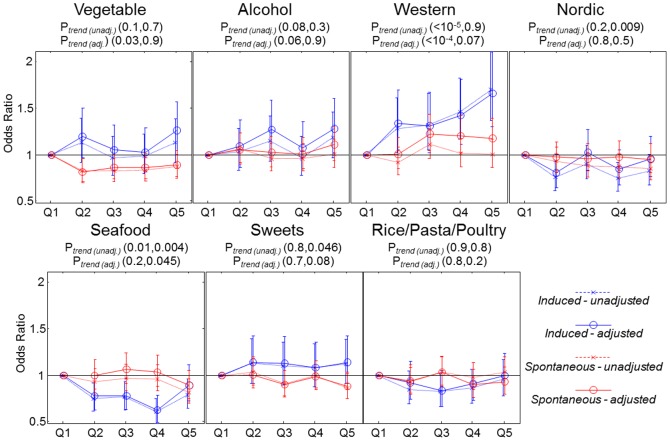
This study extracts and visualizes dietary patterns from self-reported dietary data collected in mid-pregnancy (25th week of gestation) from nearly 60,000 mother-child pairs part of a prospective, longitudinal cohort (Danish National Birth Cohort) and further examines their associations with spontaneous and induced preterm birth (gestational age<259 days (<37 weeks)).
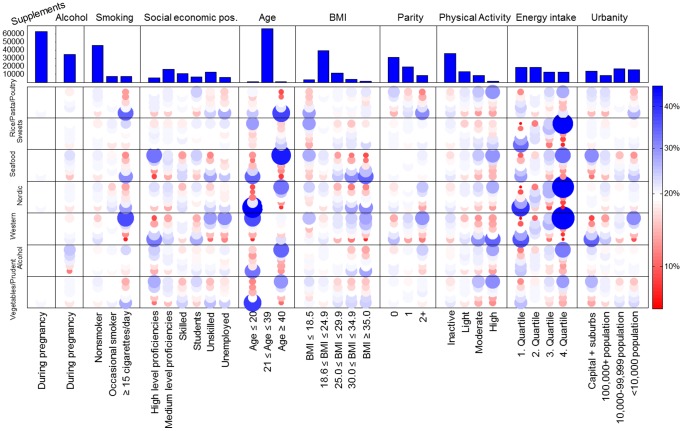
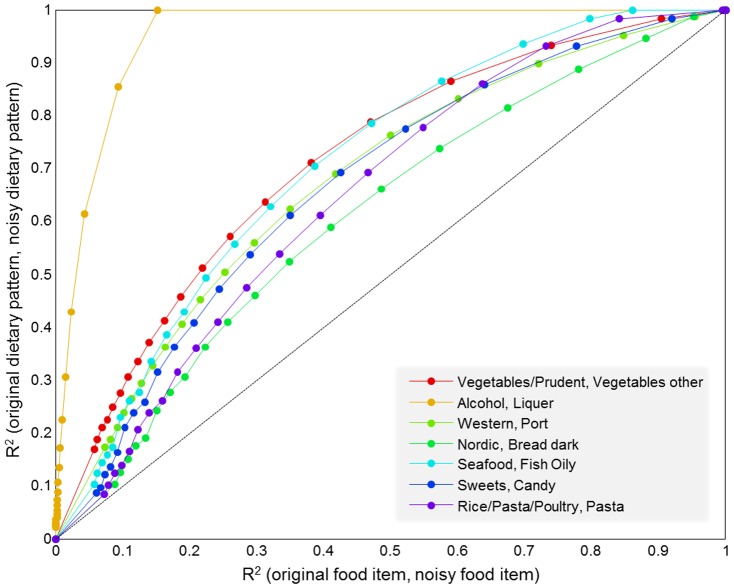
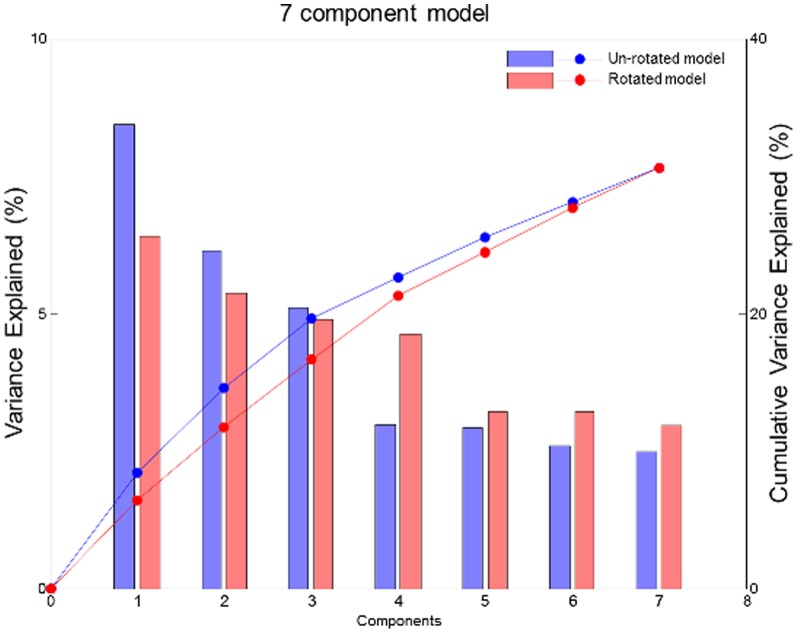
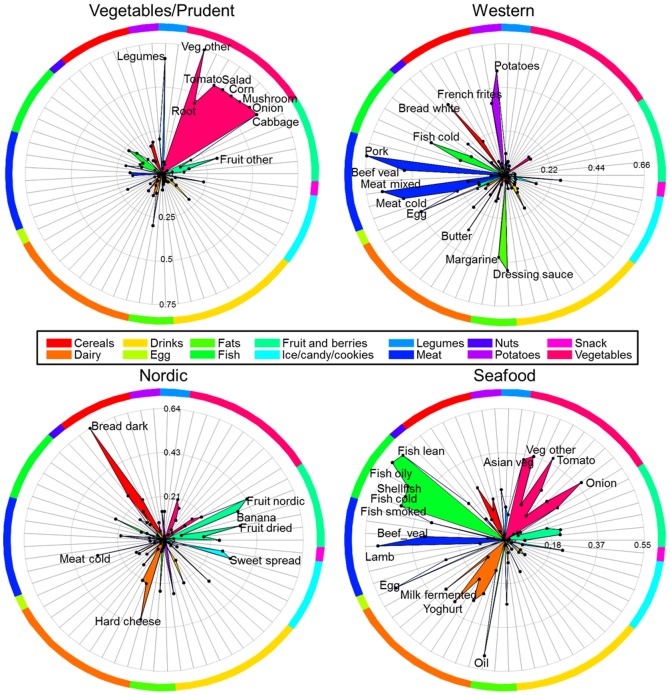
A total of seven dietary patterns were extracted by principal component analysis, characterized and visualized by color-coded spider plots, and referred to as: Vegetables/Prudent, Alcohol, Western, Nordic, Seafood, Candy and Rice/Pasta/Poultry. A consistent dose-response association with preterm birth was only observed for Western diet with an odds ratio of 1.30 (95% CI: 1.13, 1.49) comparing the highest to the lowest quintile. This association was primarily driven by induced preterm deliveries (odds ratio = 1.66, 95% CI: 1.30, 2.11, comparing the highest to the lowest quintile) while the corresponding odds ratio for spontaneous preterm deliveries was more modest (odds ratio = 1.18, 95% CI: 0.99, 1.39). All based on adjusted analyses.
In conclusion, this study presented a simple and novel framework for visualizing correlation structures between overall consumption of foods group and their relation to nutrient intake and maternal characteristics. Our results suggest that Western-type diet, high in meat and fats and low in fruits and vegetables, is associated with increased odds of induced preterm birth.
饮食模式比单一饮食成分更能反映饮食习惯。然而,营养流行病学中饮食模式分析的应用受到多维饮食数据解释和呈现复杂性的阻碍。
本研究从近60000对母婴的自我报告饮食数据中提取并可视化饮食模式,这些数据来自一项前瞻性纵向队列研究(丹麦国家出生队列)的孕中期(妊娠第25周),并进一步研究它们与自然早产和引产早产(胎龄<259天(<37周))的关联。
通过主成分分析共提取了七种饮食模式,用颜色编码的蜘蛛图进行特征描述和可视化,并分别称为:蔬菜/谨慎型、酒精型、西方型、北欧型、海鲜型、糖果型和米饭/面食/家禽型。仅在西方饮食模式中观察到与早产存在一致的剂量反应关联,最高五分位数与最低五分位数相比,优势比为1.30(95%CI:1.13,1.49)。这种关联主要由引产早产驱动(最高五分位数与最低五分位数相比,优势比=1.66,95%CI:1.30,2.11),而自然早产的相应优势比则较小(优势比=1.18,95%CI:0.99,1.39)。所有结果均基于校正分析。
总之,本研究提出了一个简单新颖的框架,用于可视化食物组总体摄入量之间的相关结构及其与营养摄入和母亲特征的关系。我们的结果表明,富含肉类和脂肪、水果和蔬菜含量低的西方型饮食与引产早产几率增加有关。