Raman Sujatha, Mohr Alison
Institute for Science & Society (ISS), School of Sociology & Social Policy, University of Nottingham, Nottingham NG7 2RD, United Kingdom.
J Clean Prod. 2014 Feb 15;65(100):224-233. doi: 10.1016/j.jclepro.2013.07.057.
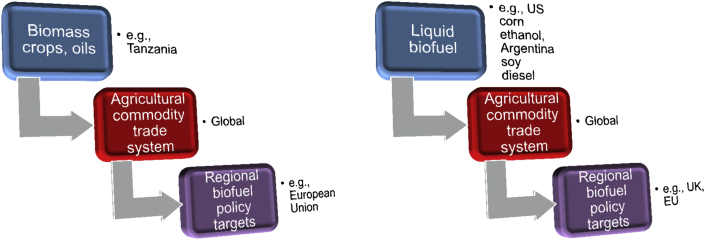
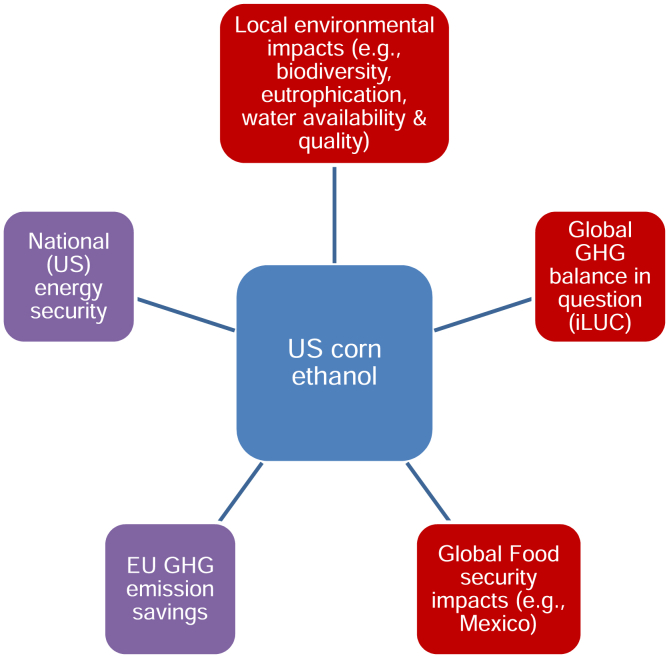
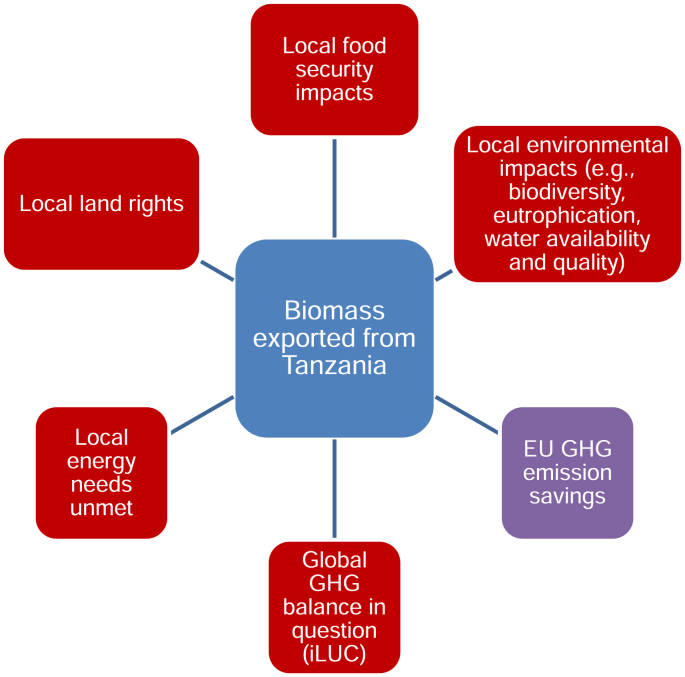
This paper aims to identify the lessons that should be learnt from how biofuels have been envisioned from the aftermath of the oil shocks of the 1970s to the present, and how these visions compare with biofuel production networks emerging in the 2000s. Working at the interface of sustainable innovation journey research and geographical theories on the spatial unevenness of sustainability transition projects, we show how the biofuels controversy is linked to characteristics of globalised industrial agricultural systems. The legitimacy problems of biofuels cannot be addressed by sustainability indicators or new technologies alone since they arise from the spatial ordering of biofuel production. In the 1970-80s, promoters of bioenergy anticipated current concerns about food security implications but envisioned bioenergy production to be territorially embedded at national or local scales where these issues would be managed. Where the territorial and scalar vision was breached, it was to imagine poorer countries exporting higher-value biofuel to the North rather than the raw material as in the controversial global biomass commodity chains of today. However, controversy now extends to the global impacts of national biofuel systems on food security and greenhouse gas emissions, and to their local impacts becoming more widely known. South/South and North/North trade conflicts are also emerging as are questions over biodegradable wastes and agricultural residues as global commodities. As assumptions of a food-versus-fuel conflict have come to be challenged, legitimacy questions over global agri-business and trade are spotlighted even further. In this context, visions of biofuel development that address these broader issues might be promising. These include large-scale biomass-for-fuel models in Europe that would transform global trade rules to allow small farmers in the global South to compete, and small-scale biofuel systems developed to address local energy needs in the South.
本文旨在确定应从20世纪70年代石油危机后到现在对生物燃料的设想中吸取哪些教训,以及这些设想与21世纪出现的生物燃料生产网络相比如何。我们在可持续创新历程研究与关于可持续性转型项目空间不均衡的地理理论的交叉领域开展工作,展示了生物燃料争议如何与全球化工业农业系统的特征相关联。生物燃料的合法性问题不能仅通过可持续性指标或新技术来解决,因为它们源于生物燃料生产的空间秩序。在20世纪70至80年代,生物能源的推动者预见到了当前对粮食安全影响的担忧,但设想生物能源生产将在国家或地方层面扎根,在这些层面这些问题将得到管理。当领土和尺度设想被突破时,设想的是较贫穷国家向北出口高价值生物燃料,而不是像如今有争议的全球生物质商品链那样出口原材料。然而,现在争议延伸到国家生物燃料系统对粮食安全和温室气体排放的全球影响,以及它们的局部影响更广为人知。南南和北北贸易冲突也在出现,关于可生物降解废物和农业残留物作为全球商品的问题也同样存在。随着粮食与燃料冲突的假设受到挑战,全球农业综合企业和贸易的合法性问题受到了更广泛的关注。在这种背景下,解决这些更广泛问题的生物燃料发展设想可能很有前景。这些设想包括欧洲的大规模生物质制燃料模式,这将改变全球贸易规则,使全球南方的小农户能够参与竞争,以及为满足南方当地能源需求而开发的小规模生物燃料系统。