College of Veterinary Medicine, Nanjing Agricultural University, Nanjing 210095, China Key Lab of Animal Bacteriology, Ministry of Agriculture, Nanjing 210095, China OIE Reference Laboratory for Swine Streptococcosis, Nanjing 210095, China.
BGI-Shenzhen, Shenzhen 518083, China.
RNA. 2014 Jun;20(6):882-98. doi: 10.1261/rna.041822.113. Epub 2014 Apr 23.
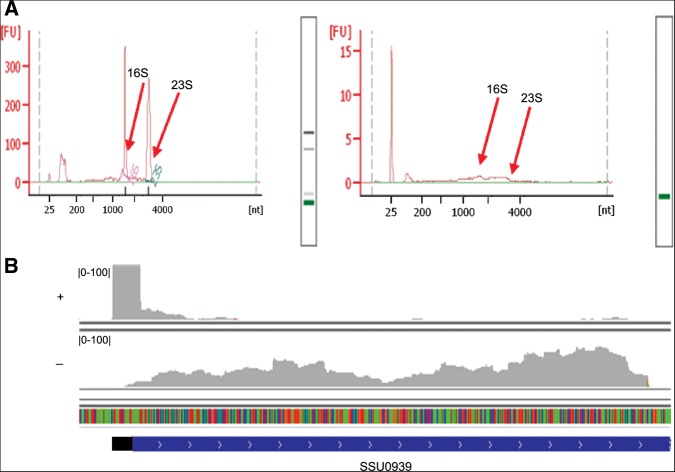
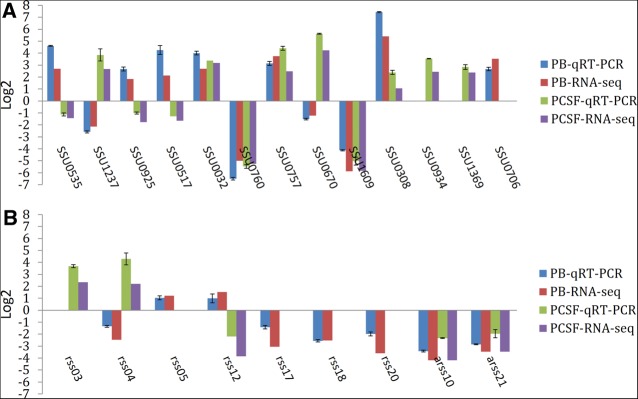
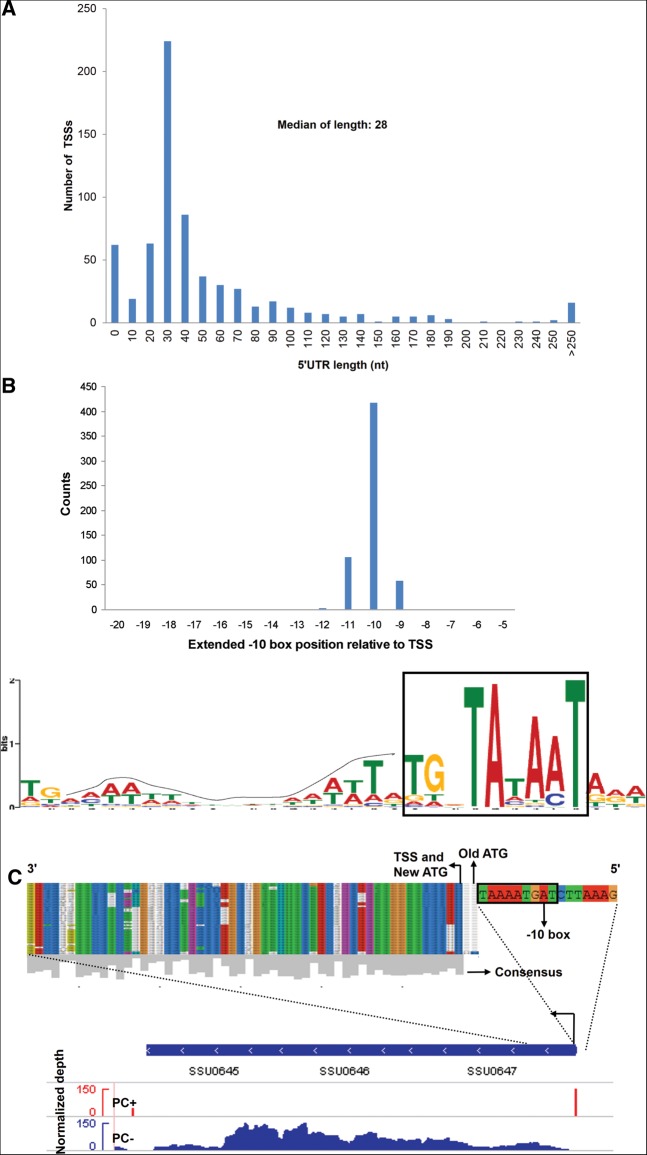
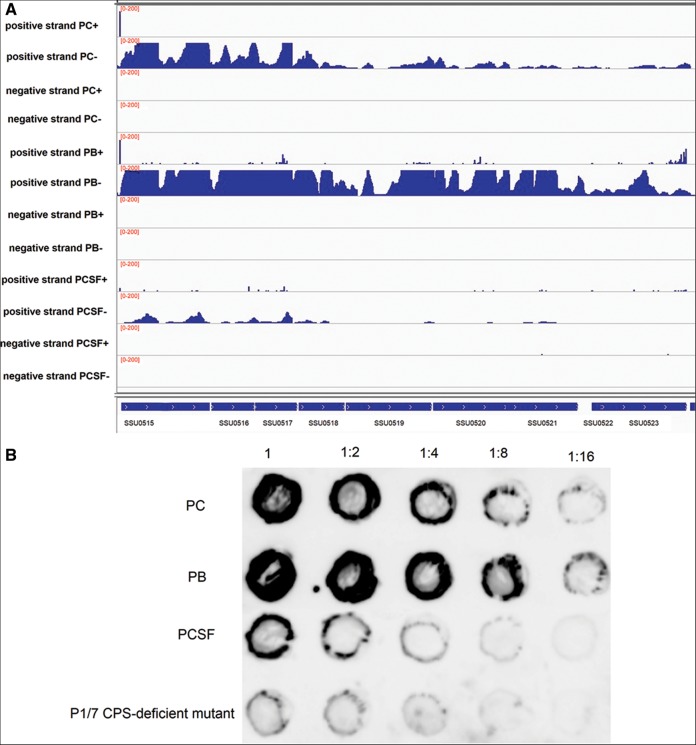
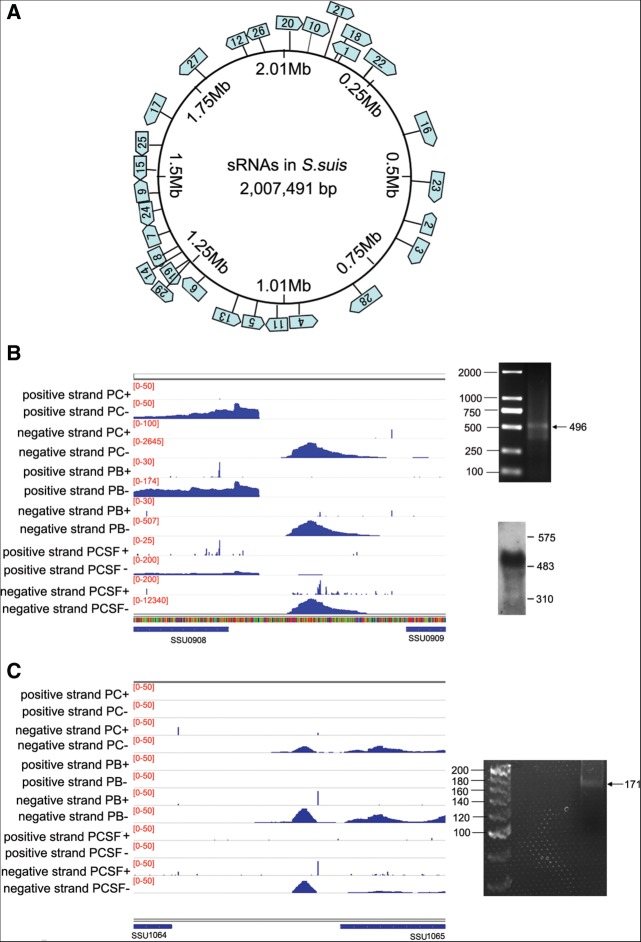
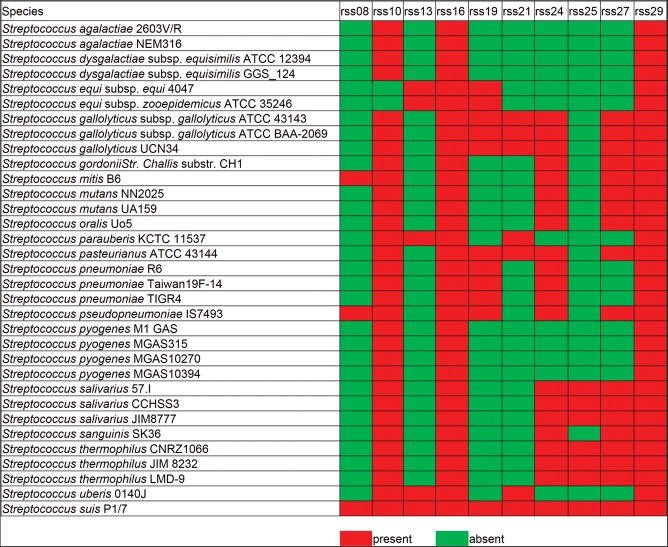
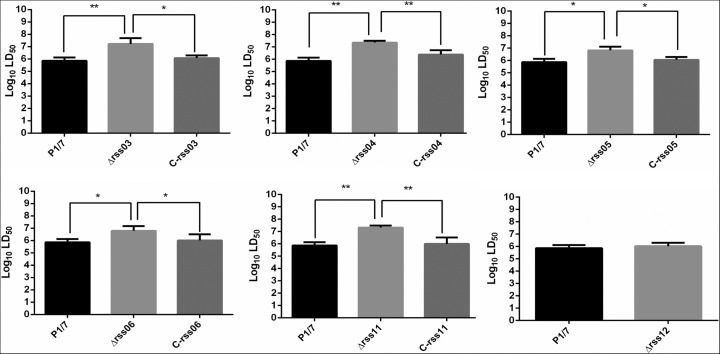
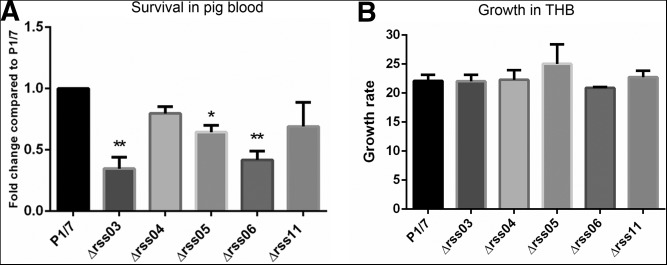
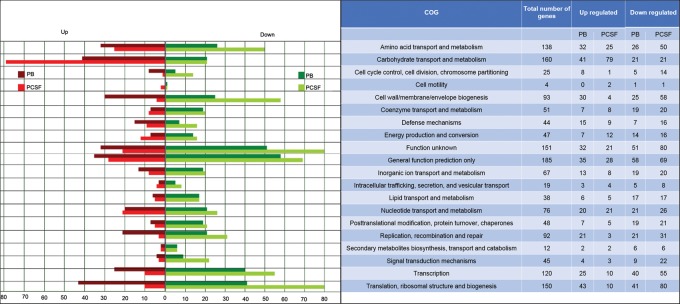
Streptococcus suis (SS) is an important pathogen of pigs, and it is also recognized as a zoonotic agent for humans. SS infection may result in septicemia or meningitis in the host. However, little is known about genes that contribute to the virulence process and survival within host blood or cerebrospinal fluid (CSF). Small RNAs (sRNA) have emerged as key regulators of virulence in several bacteria, but they have not been investigated in SS. Here, using a differential RNA-sequencing approach and RNAs from SS strain P1/7 grown in rich medium, pig blood, or CSF, we present the SS genome-wide map of 793 transcriptional start sites and 370 operons. In addition to identifying 29 sRNAs, we show that five sRNA deletion mutants attenuate SS virulence in a zebrafish infection model. Homology searches revealed that 10 sRNAs were predicted to be present in other pathogenic Streptococcus species. Compared with wild-type strain P1/7, sRNAs rss03, rss05, and rss06 deletion mutants were significantly more sensitive to killing by pig blood. It is possible that rss06 contributes to SS virulence by indirectly activating expression of SSU0308, a virulence gene encoding a zinc-binding lipoprotein. In blood, genes involved in the synthesis of capsular polysaccharide (CPS) and subversion of host defenses were up-regulated. In contrast, in CSF, genes for CPS synthesis were down-regulated. Our study is the first analysis of SS sRNAs involved in virulence and has both improved our understanding of SS pathogenesis and increased the number of sRNAs known to play definitive roles in bacterial virulence.
猪链球菌(SS)是一种重要的猪病原体,也被认为是人类的动物源病原体。SS 感染可能导致宿主发生败血症或脑膜炎。然而,人们对有助于毒力过程和在宿主血液或脑脊液(CSF)中存活的基因知之甚少。小 RNA(sRNA)已成为几种细菌毒力的关键调节剂,但尚未在 SS 中进行研究。在这里,我们使用差异 RNA 测序方法和在丰富培养基、猪血液或 CSF 中培养的 SS 菌株 P1/7 的 RNA,展示了 SS 全基因组的 793 个转录起始位点和 370 个操纵子图谱。除了鉴定出 29 个 sRNA 外,我们还表明,5 个 sRNA 缺失突变体在斑马鱼感染模型中减弱了 SS 的毒力。同源搜索表明,10 个 sRNA 被预测存在于其他致病性链球菌物种中。与野生型菌株 P1/7 相比,sRNAs rss03、rss05 和 rss06 缺失突变体对猪血液的杀伤更为敏感。rss06 可能通过间接激活编码锌结合脂蛋白的毒力基因 SSU0308 的表达来促进 SS 的毒力。在血液中,参与荚膜多糖(CPS)合成和宿主防御颠覆的基因上调。相比之下,在 CSF 中,CPS 合成基因下调。我们的研究首次分析了参与毒力的 SS sRNA,不仅提高了我们对 SS 发病机制的理解,还增加了已知在细菌毒力中起决定性作用的 sRNA 的数量。