Hsu Y-C, Huang T-Y, Chen M-J
1] Graduate Institute of Medical Science, College of Health Sciences, Chang Jung Christian University, Tainan, Taiwan [2] Innovative Research Center of Medicine, College of Health Sciences, Chang Jung Christian University, Tainan, Taiwan.
Department of Neurosurgery, Tainan Sin-Lau Hospital, Tainan, Taiwan.
Cell Death Dis. 2014 Apr 24;5(4):e1198. doi: 10.1038/cddis.2014.151.
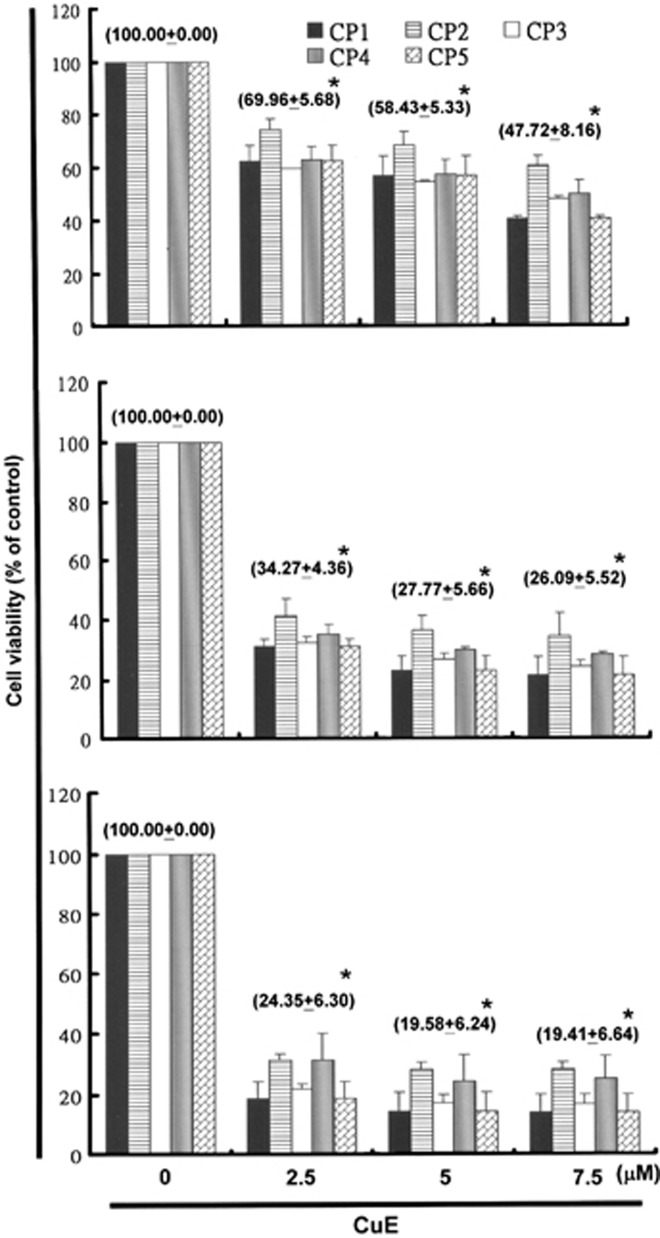
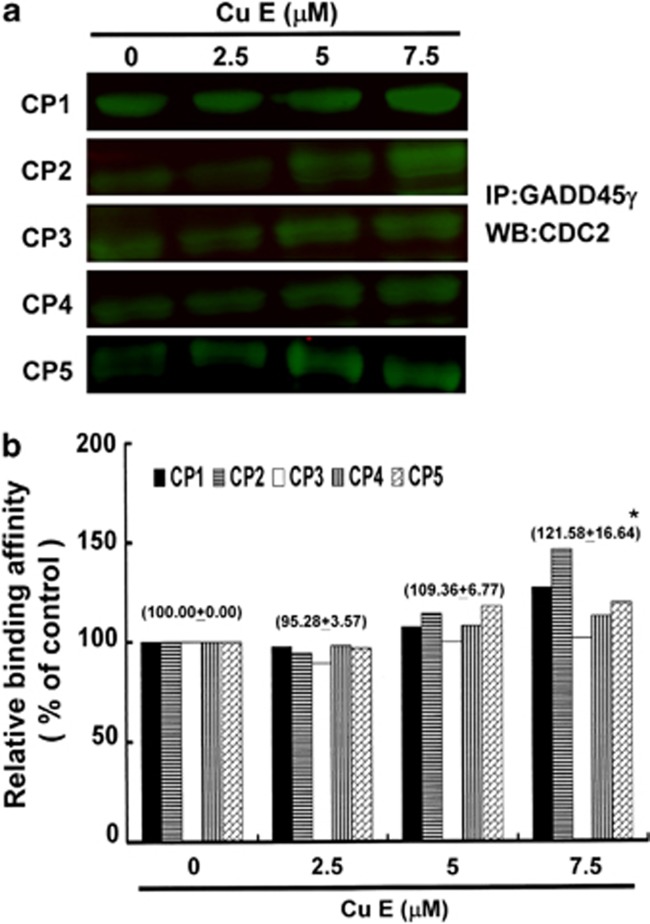
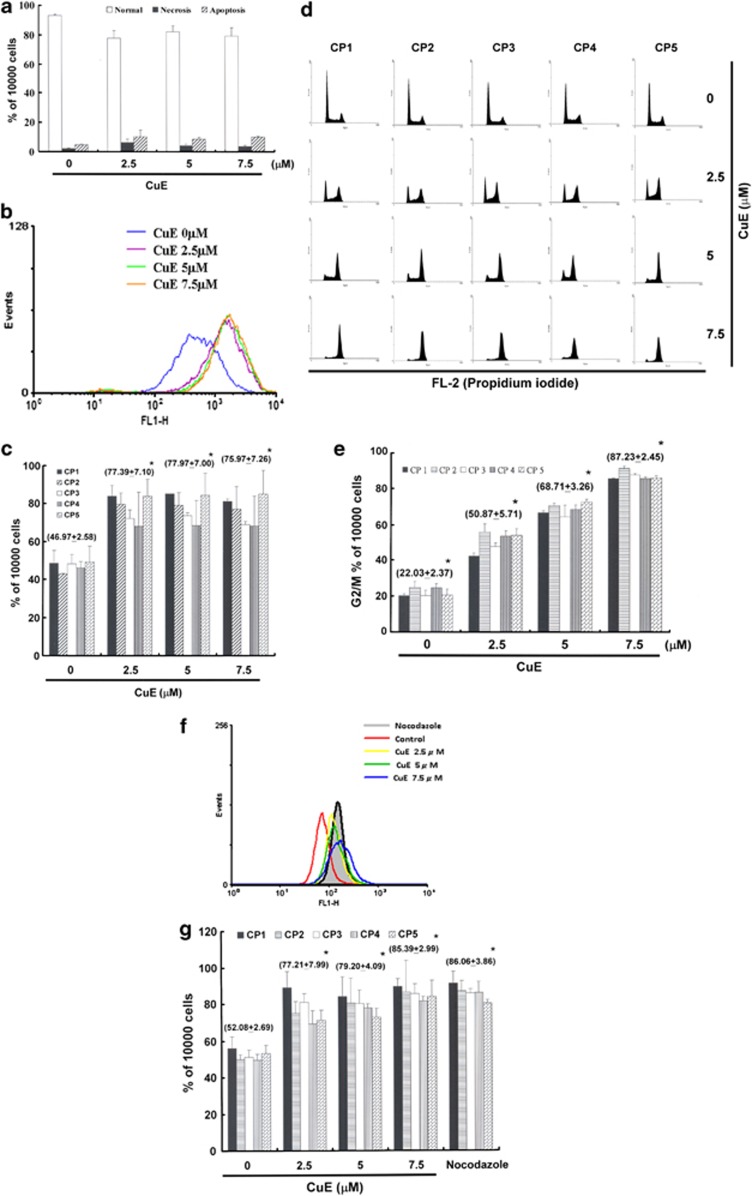
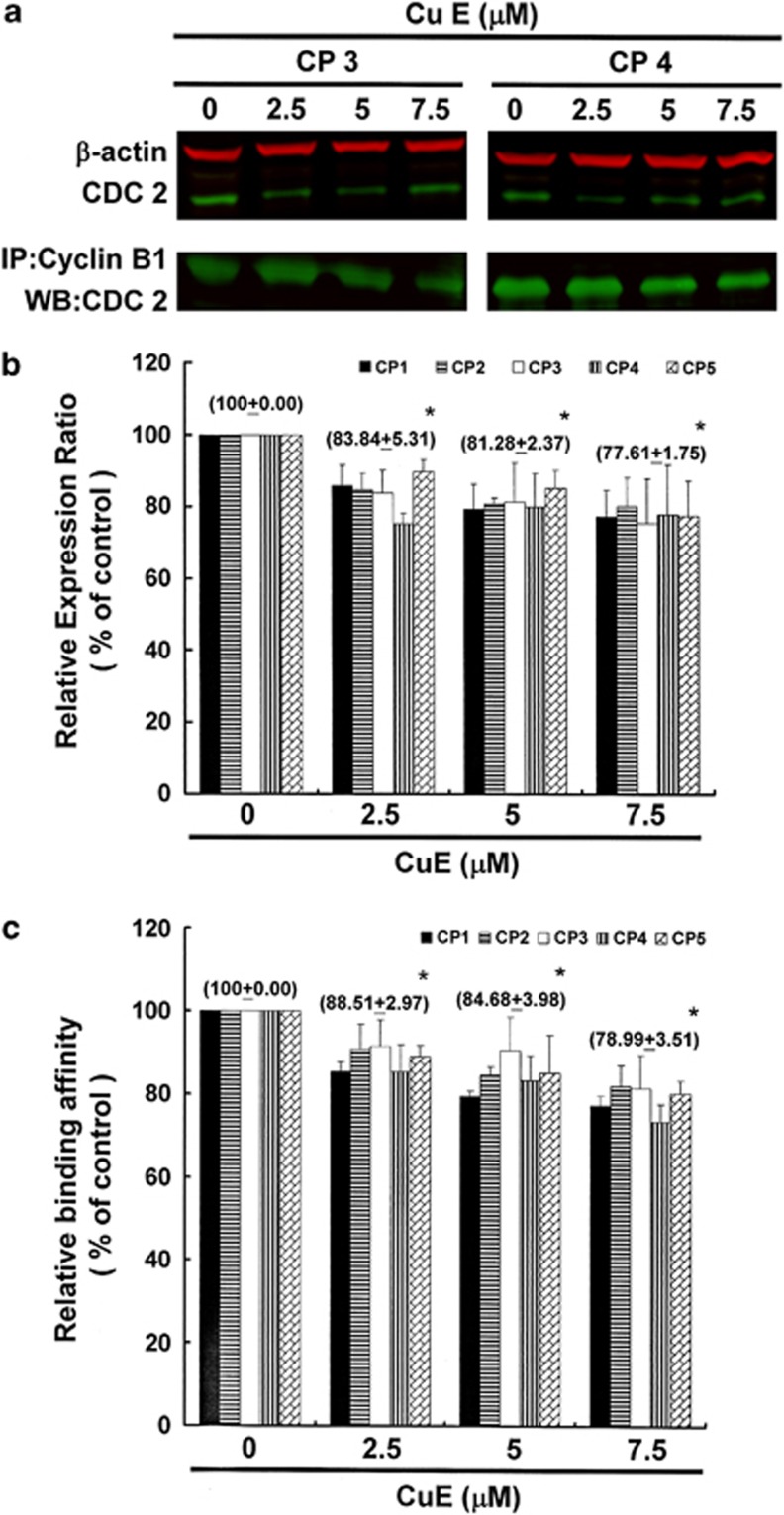
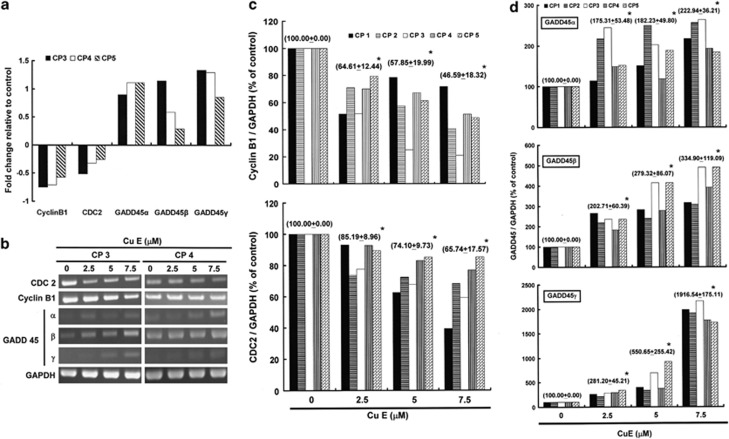
Cucurbitacin E (CuE) or α-elaterin is a natural compound previously shown to be an antifeedant as well as a potent chemopreventive agent against several types of cancer. The present study investigated the anticancer effects of CuE on colorectal cancer (CRC) using primary cell lines isolated from five CRC patients in Taiwan, Specifically, we explored the anti-proliferation and cell cycle G2/M arrest induced by CuE in CRC cells. MPM-2 flow cytometry tests show that CuE-treated cells accumulated in metaphase (CuE 2.5-7.5 μM). Results further indicate that CuE produced G2/M arrest as well as the downregulation of CDC2 and cyclin B1 expression and dissociation. Both effects increased proportionally with the dose of CuE; however, the inhibition of proliferation, arrest of mitosis, production of reactive oxygen species (ROS), and loss of mitochondrial membrane potential (ΔΨm) were found to be dependent on the quantity of CuE used to treat the cancer cells. In addition, cell cycle arrest in treated cells coincided with the activation of the gene GADD45(α, β, γ). Incubation with CuE resulted in the binding of GADD45γ to CDC2, which suggests that the delay in CuE-induced mitosis is regulated by the overexpression of GADD45γ. Our findings suggest that, in addition to the known effects on cancer prevention, CuE may have antitumor activities in established CRC.
葫芦素E(CuE)或α-泻根醇是一种天然化合物,先前已证明它是一种拒食剂,也是一种对多种癌症具有强效化学预防作用的药剂。本研究使用从台湾五名结直肠癌(CRC)患者中分离出的原代细胞系,研究了CuE对结直肠癌的抗癌作用。具体而言,我们探讨了CuE在CRC细胞中诱导的抗增殖作用和细胞周期G2/M期阻滞。MPM-2流式细胞术检测表明,经CuE处理的细胞在中期积累(CuE浓度为2.5 - 7.5 μM)。结果进一步表明,CuE导致G2/M期阻滞以及CDC2和细胞周期蛋白B1表达下调和解离。这两种效应均随CuE剂量成比例增加;然而,发现增殖抑制、有丝分裂阻滞、活性氧(ROS)产生以及线粒体膜电位(ΔΨm)丧失均取决于用于处理癌细胞的CuE量。此外,处理后细胞的细胞周期阻滞与基因GADD45(α、β、γ)的激活同时发生。用CuE孵育导致GADD45γ与CDC2结合,这表明CuE诱导的有丝分裂延迟是由GADD45γ的过表达调节的。我们的研究结果表明,除了对癌症预防的已知作用外,CuE在已确诊的CRC中可能具有抗肿瘤活性。