Department of Hematopathology, The University of Texas MD Anderson Cancer Center, Houston, TX, 77030, USA.
Department of Pharmacy Practice, Administration and Research, School of Pharmacy, Marshall University, Huntington, WV, 25701, USA.
Eur J Cancer. 2021 May;149:165-183. doi: 10.1016/j.ejca.2021.03.009. Epub 2021 Apr 14.
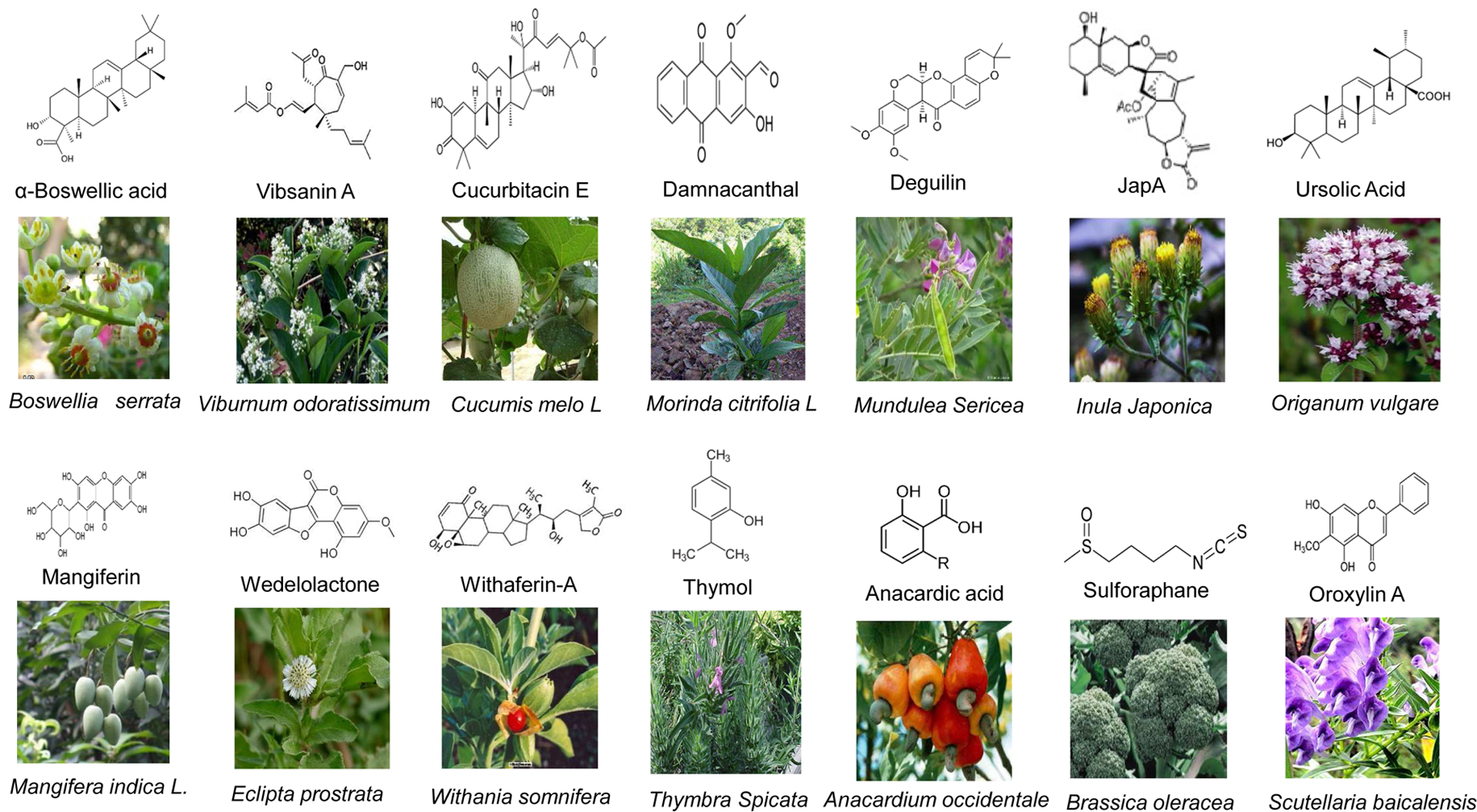
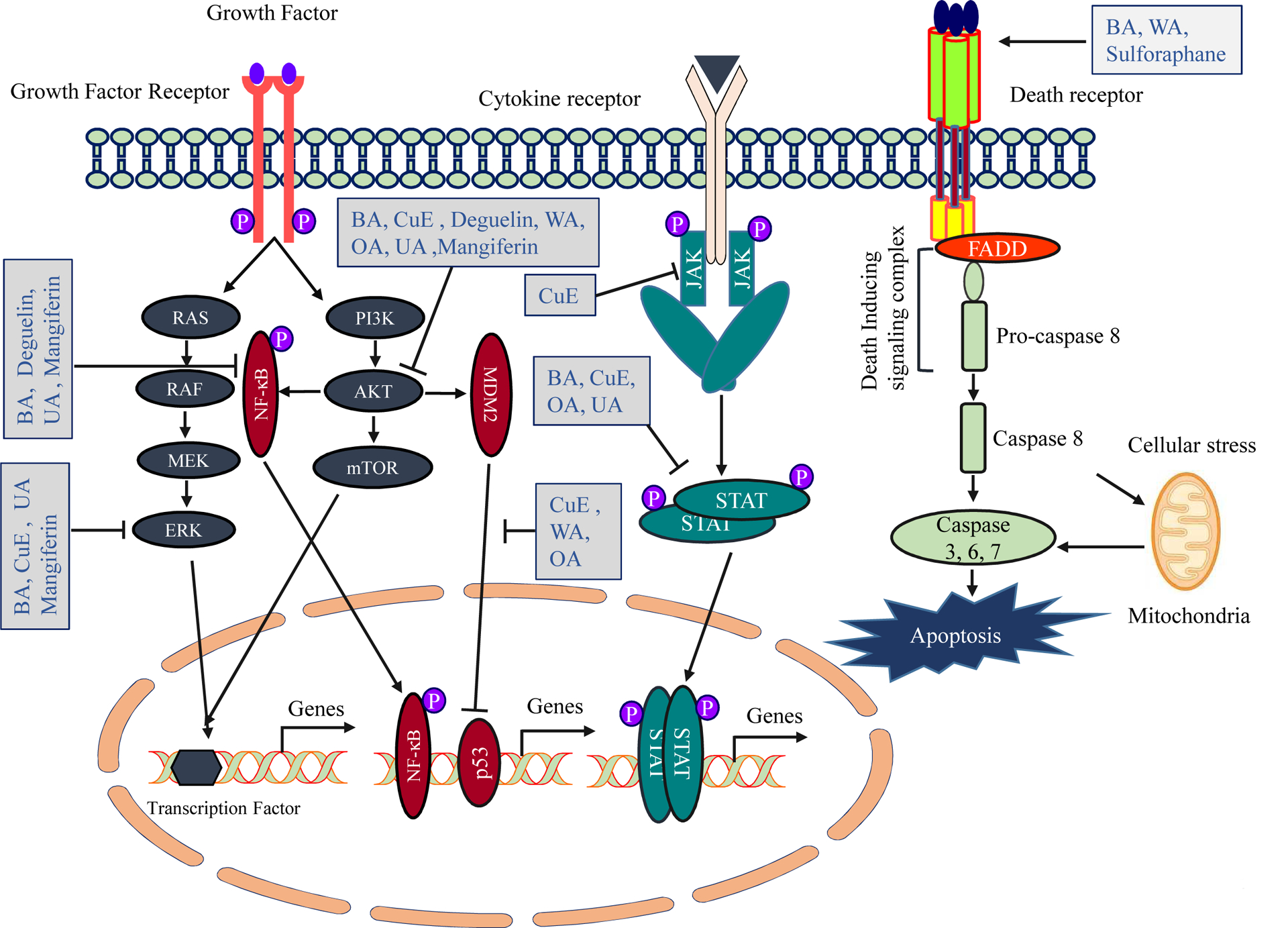
Cancer is the second deadliest disease worldwide. Although recent advances applying precision treatments with targeted (molecular and immune) agents are promising, the histological and molecular heterogeneity of cancer cells and huge mutational burdens (intrinsic or acquired after therapy) leading to drug resistance and treatment failure are posing continuous challenges. These recent advances do not negate the need for alternative approaches such as chemoprevention, the pharmacological approach to reverse, suppress or prevent the initial phases of carcinogenesis or the progression of premalignant cells to invasive disease by using non-toxic agents. Although data are limited, the success of several clinical trials in preventing cancer in high-risk populations suggests that chemoprevention is a rational, appealing and viable strategy to prevent carcinogenesis. Particularly among higher-risk groups, the use of safe, non-toxic agents is the utmost consideration because these individuals have not yet developed invasive disease. Natural dietary compounds present in fruits, vegetables and spices are especially attractive for chemoprevention and treatment because of their easy availability, high margin of safety, relatively low cost and widespread human consumption. Hundreds of such compounds have been widely investigated for chemoprevention and treatment in the last few decades. Previously, we reviewed the most widely studied natural compounds and their molecular mechanisms, which were highly exploited by the cancer research community. In the time since our initial review, many promising new compounds have been identified. In this review, we critically review these promising new natural compounds, their molecular targets and mechanisms of anticancer activity that may create novel opportunities for further design and conduct of preclinical and clinical studies.
癌症是全球第二大致死疾病。虽然最近在应用针对(分子和免疫)靶点的精准治疗方面取得了进展,但癌症细胞的组织学和分子异质性以及巨大的突变负担(内在的或治疗后获得的)导致药物耐药和治疗失败,这仍然是持续存在的挑战。这些最新进展并没有否定替代方法的必要性,如化学预防,即用非毒性药物逆转、抑制或预防致癌作用初始阶段或癌前细胞进展为侵袭性疾病的药理学方法。尽管数据有限,但几项预防高危人群癌症的临床试验的成功表明,化学预防是一种合理、有吸引力和可行的策略,可预防致癌作用。特别是在高风险人群中,由于这些个体尚未发展为侵袭性疾病,因此使用安全、无毒的药物是最重要的考虑因素。天然存在于水果、蔬菜和香料中的饮食化合物特别适合用于化学预防和治疗,因为它们易于获得、安全性高、成本相对较低且广泛应用于人类。在过去几十年中,已有数百种此类化合物被广泛研究用于化学预防和治疗。此前,我们回顾了最广泛研究的天然化合物及其分子机制,这些机制被癌症研究界广泛利用。自我们最初的综述以来,已经确定了许多有前途的新化合物。在本次综述中,我们批判性地回顾了这些有前途的新天然化合物及其分子靶点和抗癌活性机制,这可能为进一步设计和开展临床前和临床研究创造新的机会。