Gaytán Brandon D, Vulpe Chris D
Department of Nutritional Science and Toxicology, University of California Berkeley Berkeley, CA, USA.
Front Genet. 2014 May 5;5:110. doi: 10.3389/fgene.2014.00110. eCollection 2014.
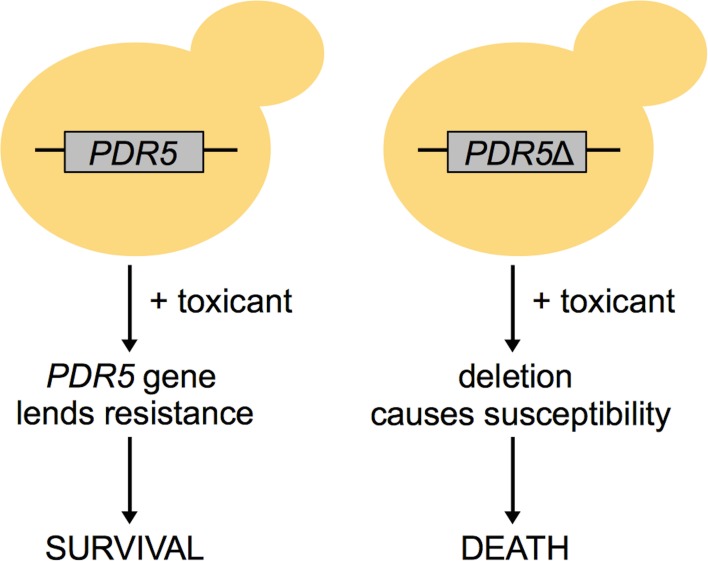
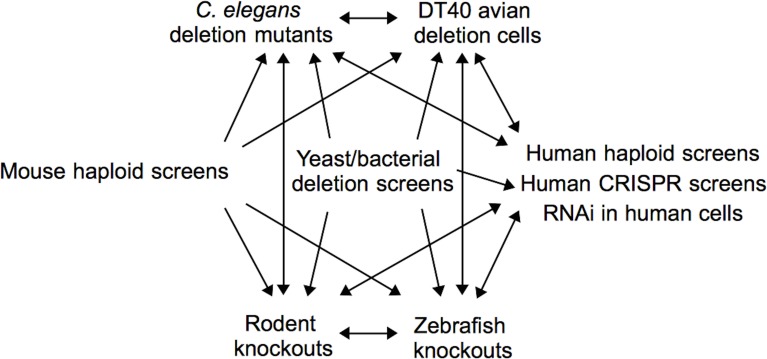
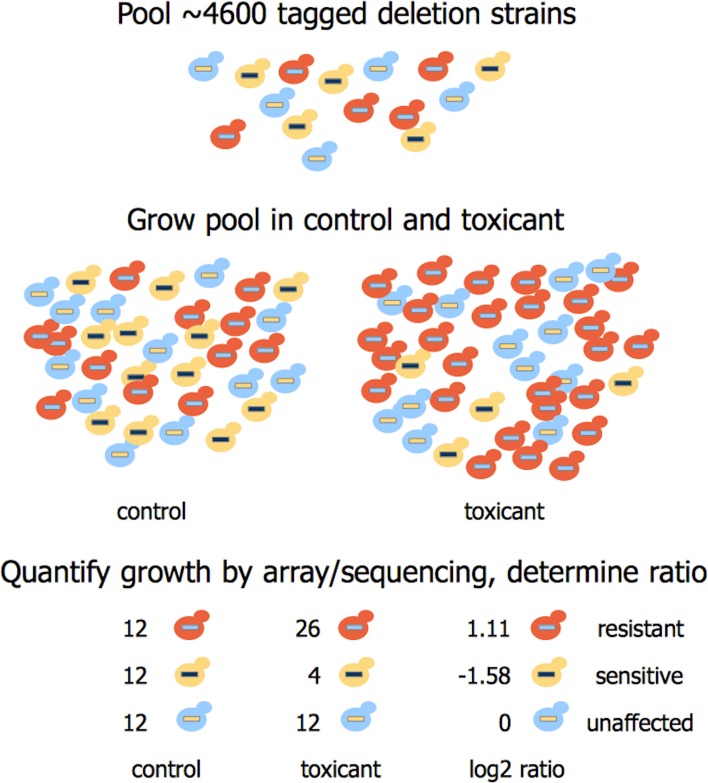
The increased presence of chemical contaminants in the environment is an undeniable concern to human health and ecosystems. Historically, by relying heavily upon costly and laborious animal-based toxicity assays, the field of toxicology has often neglected examinations of the cellular and molecular mechanisms of toxicity for the majority of compounds-information that, if available, would strengthen risk assessment analyses. Functional toxicology, where cells or organisms with gene deletions or depleted proteins are used to assess genetic requirements for chemical tolerance, can advance the field of toxicity testing by contributing data regarding chemical mechanisms of toxicity. Functional toxicology can be accomplished using available genetic tools in yeasts, other fungi and bacteria, and eukaryotes of increased complexity, including zebrafish, fruit flies, rodents, and human cell lines. Underscored is the value of using less complex systems such as yeasts to direct further studies in more complex systems such as human cell lines. Functional techniques can yield (1) novel insights into chemical toxicity; (2) pathways and mechanisms deserving of further study; and (3) candidate human toxicant susceptibility or resistance genes.
环境中化学污染物的增加对人类健康和生态系统来说是一个不可否认的问题。从历史上看,毒理学领域严重依赖成本高昂且费力的基于动物的毒性试验,常常忽视了对大多数化合物毒性的细胞和分子机制的研究——而这些信息若能获得,将加强风险评估分析。功能毒理学利用基因缺失或蛋白质耗尽的细胞或生物体来评估化学耐受性的遗传需求,通过提供有关化学毒性机制的数据,可以推动毒性测试领域的发展。功能毒理学可以通过使用酵母、其他真菌和细菌以及更复杂的真核生物(包括斑马鱼、果蝇、啮齿动物和人类细胞系)中现有的遗传工具来实现。强调了使用酵母等不太复杂的系统来指导在人类细胞系等更复杂系统中进行进一步研究的价值。功能技术可以产生:(1)对化学毒性的新见解;(2)值得进一步研究的途径和机制;(3)人类毒物易感性或抗性候选基因。