Shen Miao, Chen Kan, Lu Jie, Cheng Ping, Xu Ling, Dai Weiqi, Wang Fan, He Lei, Zhang Yan, Chengfen Wang, Li Jingjing, Yang Jing, Zhu Rong, Zhang Huawei, Zheng Yuanyuan, Zhou Yingqun, Guo Chuanyong
Department of Gastroenterology, Shanghai Tenth People's Hospital, Tongji University of Medicine, Shanghai 200072, China.
Mediators Inflamm. 2014;2014:954502. doi: 10.1155/2014/954502. Epub 2014 Apr 17.
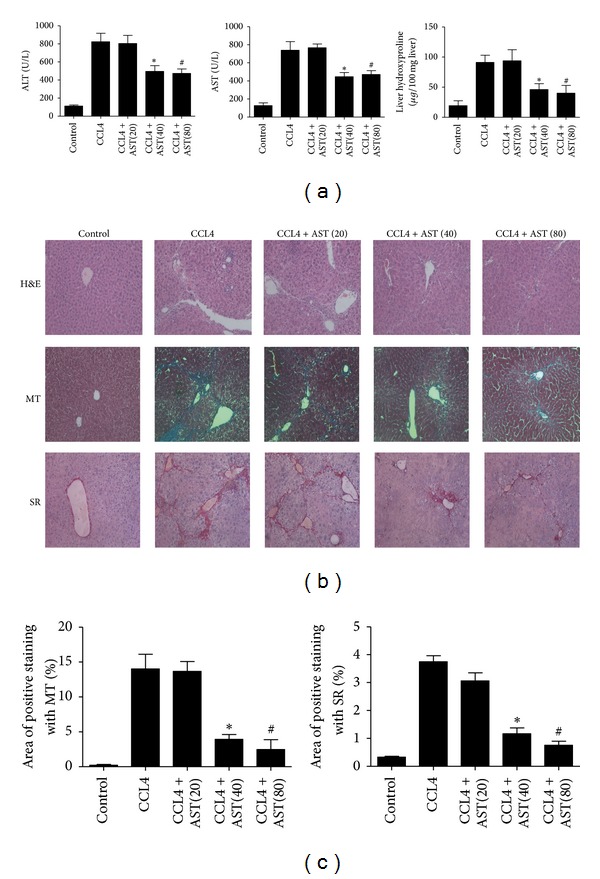
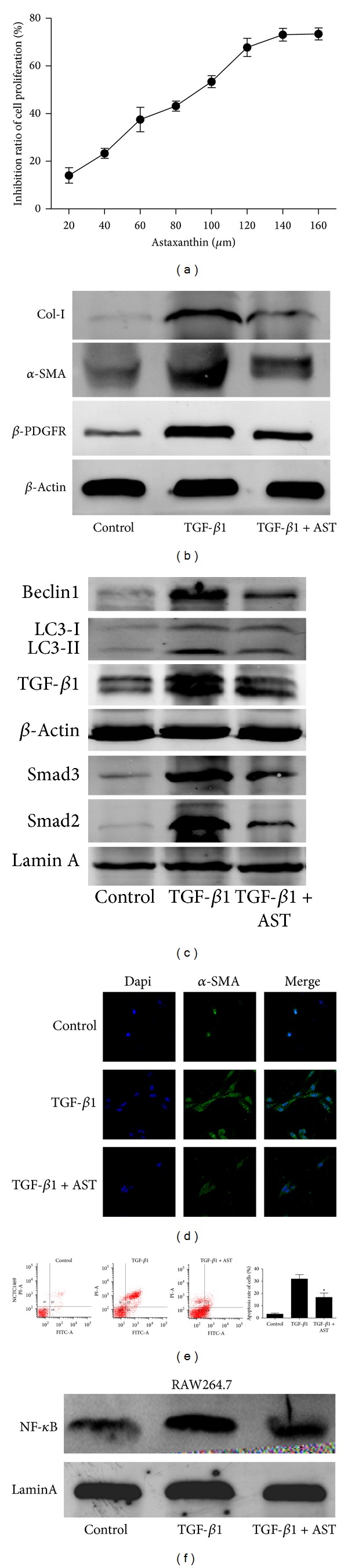
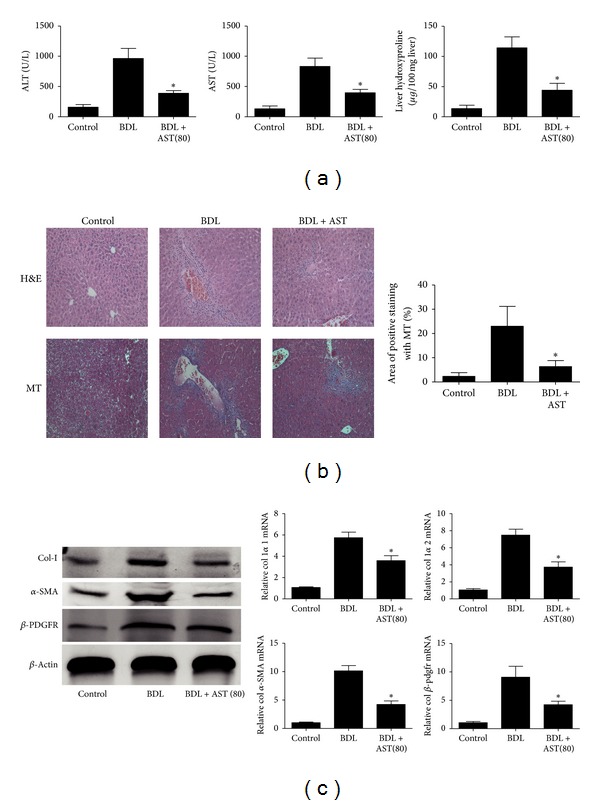
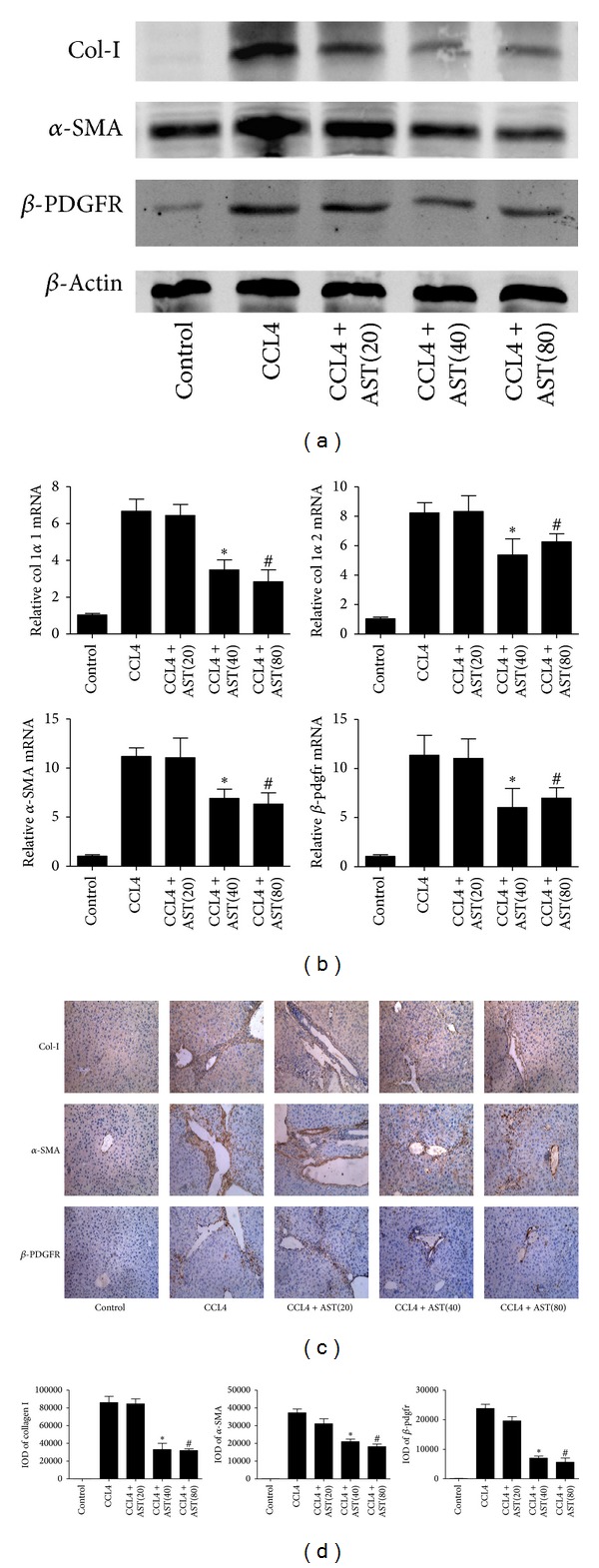
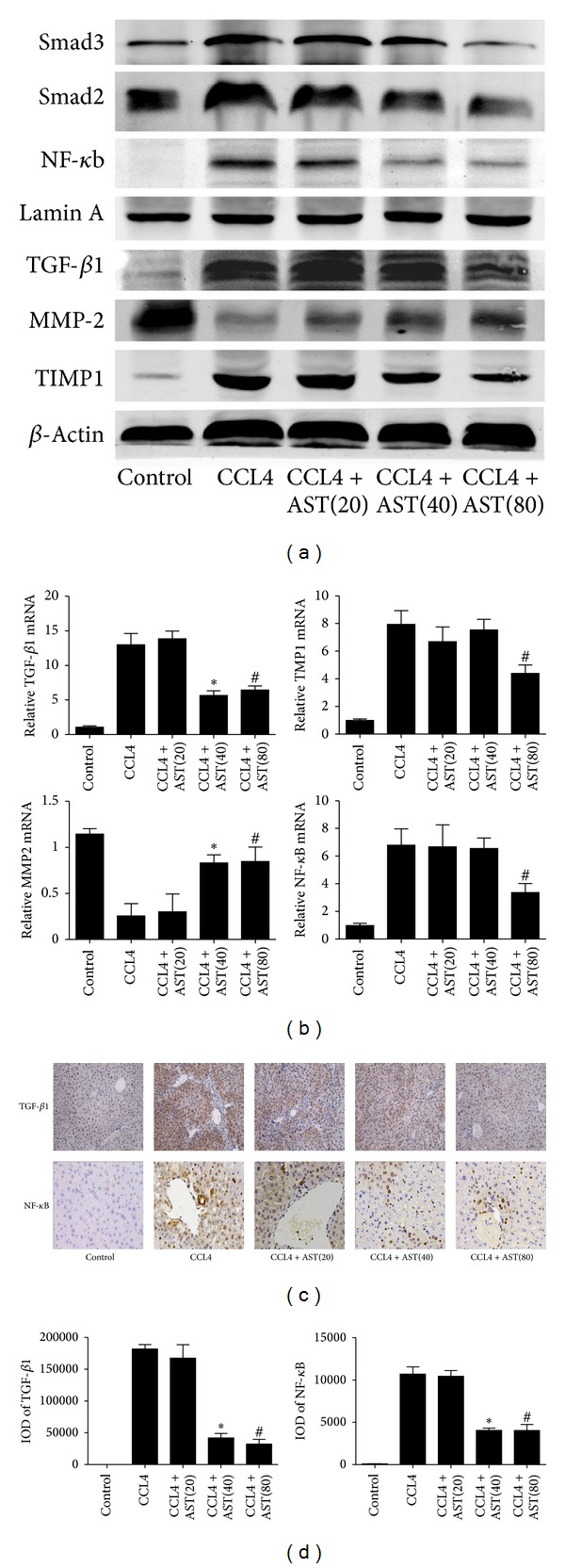
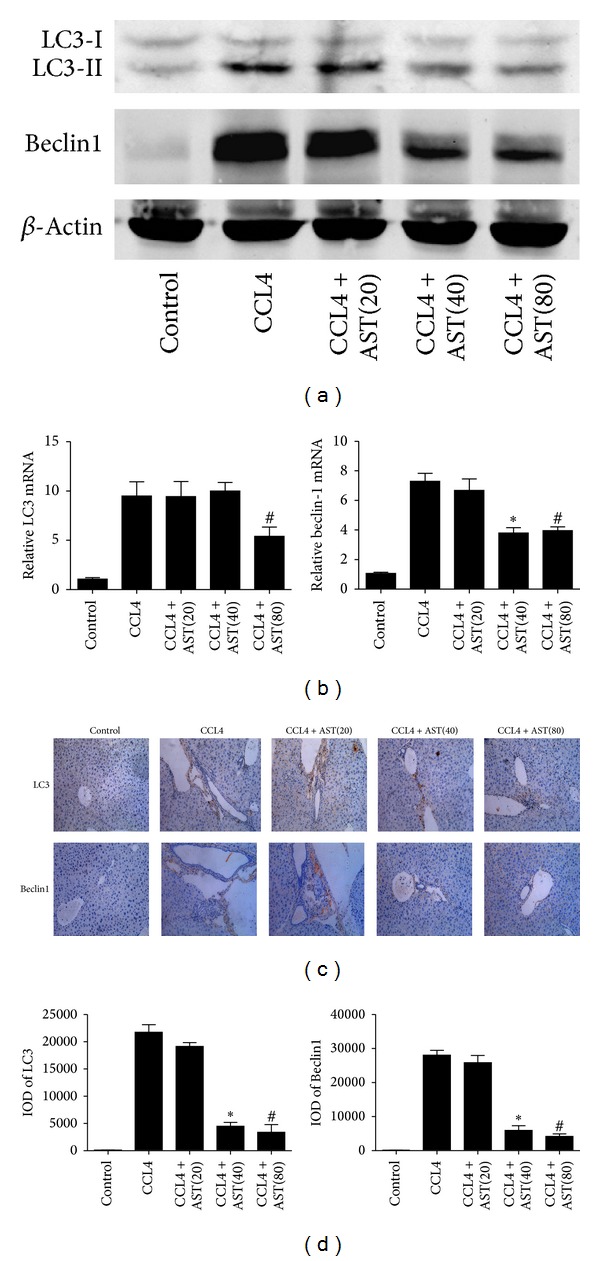
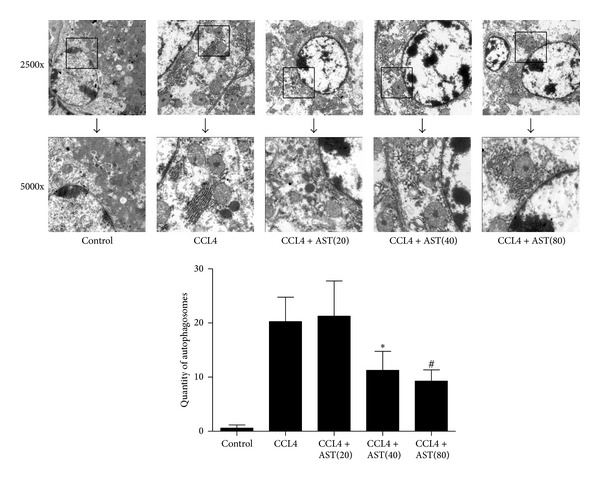
Liver fibrosis is a common pathway leading to cirrhosis and a worldwide clinical issue. Astaxanthin is a red carotenoid pigment with antioxidant, anticancer, and anti-inflammatory properties. The aim of this study was to investigate the effect of astaxanthin on liver fibrosis and its potential protective mechanisms. Liver fibrosis was induced in a mouse model using CCL4 (intraperitoneal injection, three times a week for 8 weeks), and astaxanthin was administered everyday at three doses (20, 40, and 80 mg/kg). Pathological results indicated that astaxanthin significantly improved the pathological lesions of liver fibrosis. The levels of alanine aminotransferase aspartate aminotransferase and hydroxyproline were also significantly decreased by astaxanthin. The same results were confirmed in bile duct liagtion, (BDL) model. In addition, astaxanthin inhibited hepatic stellate cells (HSCs) activation and formation of extracellular matrix (ECM) by decreasing the expression of NF-κB and TGF-β1 and maintaining the balance between MMP2 and TIMP1. In addition, astaxanthin reduced energy production in HSCs by downregulating the level of autophagy. These results were simultaneously confirmed in vivo and in vitro. In conclusion, our study showed that 80 mg/kg astaxanthin had a significant protective effect on liver fibrosis by suppressing multiple profibrogenic factors.
肝纤维化是导致肝硬化的常见途径,也是一个全球性的临床问题。虾青素是一种红色类胡萝卜素色素,具有抗氧化、抗癌和抗炎特性。本研究的目的是探讨虾青素对肝纤维化的影响及其潜在的保护机制。使用四氯化碳(腹腔注射,每周三次,共8周)在小鼠模型中诱导肝纤维化,并每天以三种剂量(20、40和80mg/kg)给予虾青素。病理结果表明,虾青素显著改善了肝纤维化的病理损伤。虾青素还显著降低了丙氨酸转氨酶、天冬氨酸转氨酶和羟脯氨酸的水平。在胆管结扎(BDL)模型中也证实了相同的结果。此外,虾青素通过降低NF-κB和TGF-β1的表达并维持MMP2和TIMP1之间的平衡,抑制肝星状细胞(HSCs)的活化和细胞外基质(ECM)的形成。此外,虾青素通过下调自噬水平降低HSCs中的能量产生。这些结果在体内和体外均得到了同时证实。总之,我们的研究表明,80mg/kg虾青素通过抑制多种促纤维化因子对肝纤维化具有显著的保护作用。