Llopis Silvia, Hernández-Haro Carolina, Monteoliva Lucía, Querol Amparo, Molina María, Fernández-Espinar María T
Departamento de Biotecnología de los Alimentos, Instituto de Agroquímica y Tecnología de Alimentos (CSIC), Paterna, Valencia, Spain.
Departamento de Microbiología II, Facultad de Farmacia, Universidad Complutense de Madrid and Instituto Ramón y Cajal de Investigación Sanitaria (IRYCIS), Madrid, Spain.
PLoS One. 2014 May 30;9(5):e98094. doi: 10.1371/journal.pone.0098094. eCollection 2014.
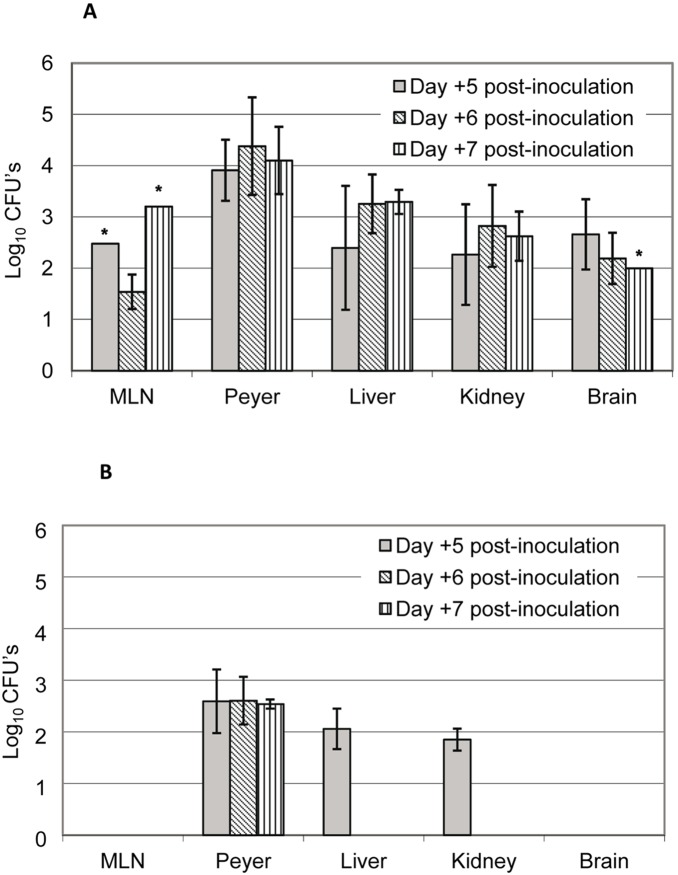
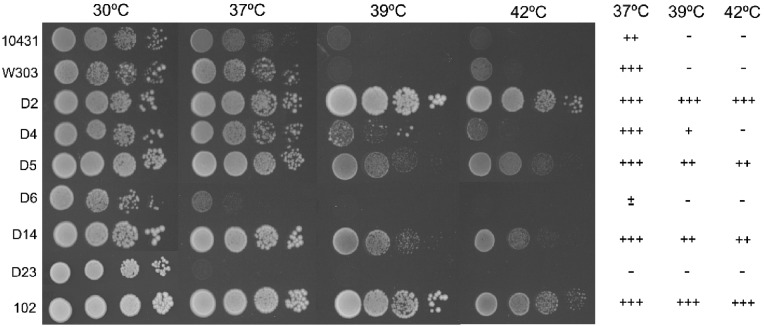
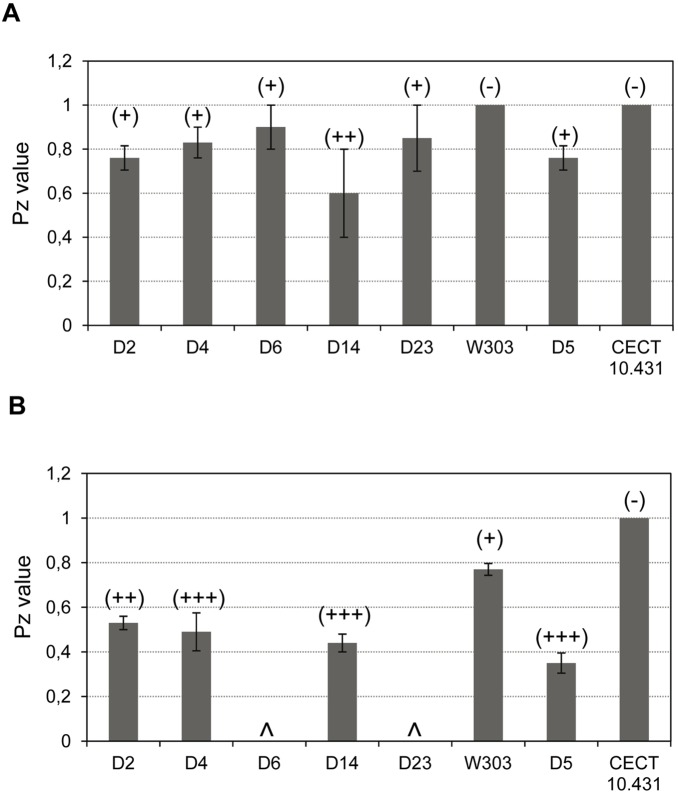
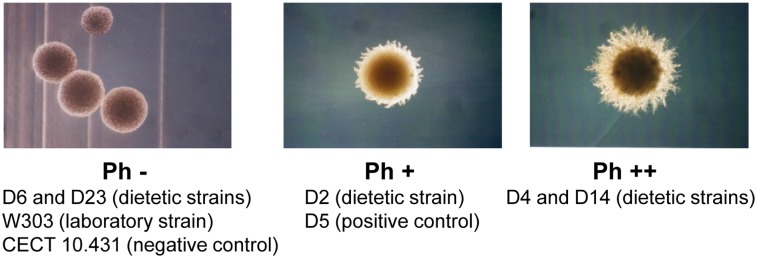
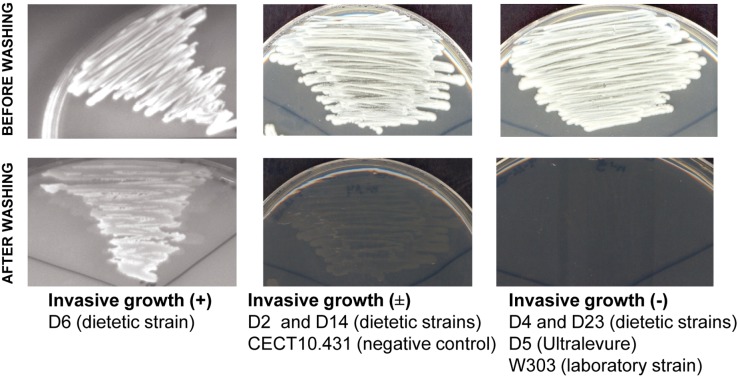
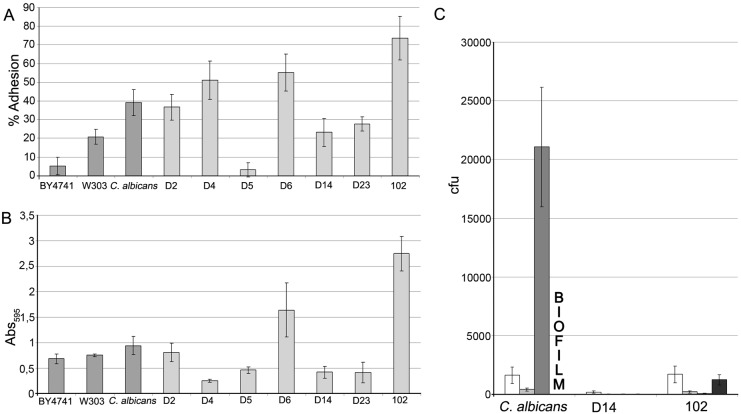
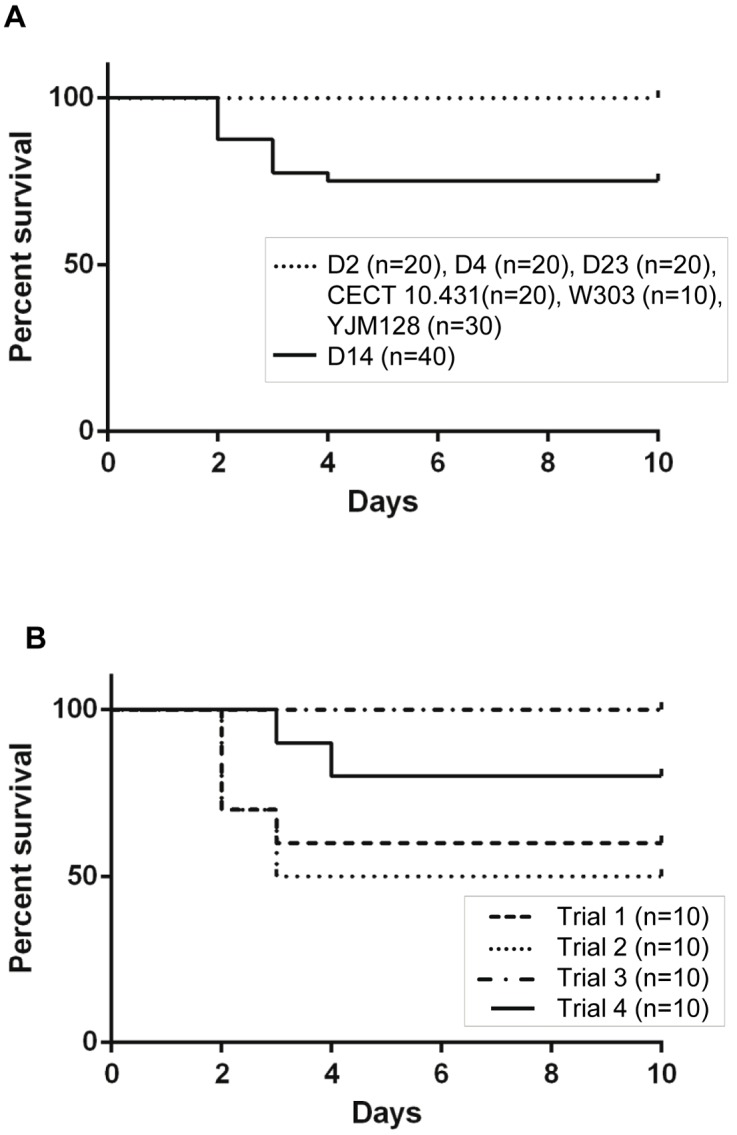
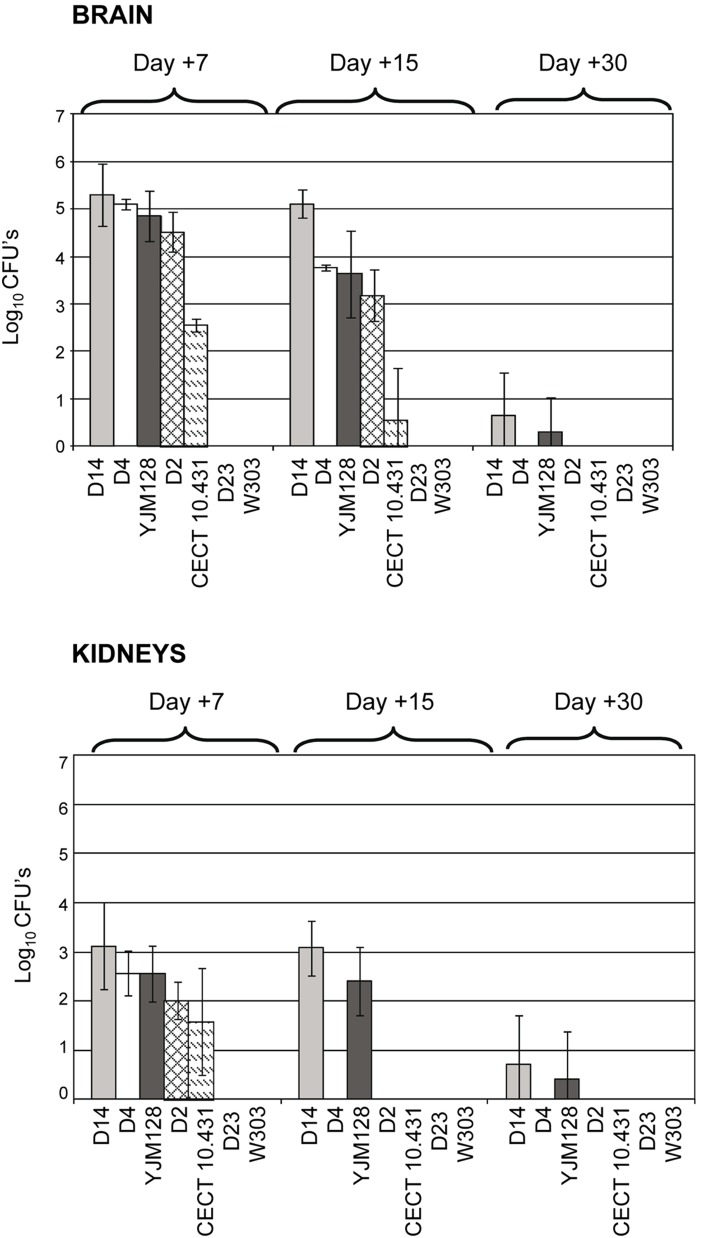
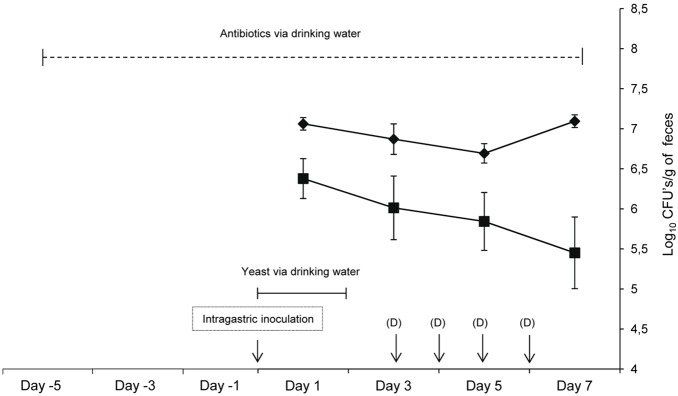
Saccharomyces cerevisiae plays a beneficial role in health because of its intrinsic nutritional value and bio-functional properties, which is why it is also used as a dietary supplement. However, the perception that S. cerevisiae is harmless has changed due to an increasing number of infections caused by this yeast. Given this scenario, we have tested whether viable strains contained in dietary supplements displayed virulence-associated phenotypic traits that could contribute to virulence in humans. We have also performed an in vivo study of the pathogenic potential of these strains using a murine model of systemic infection by intravenous inoculation. A total of 5 strains were isolated from 22 commercial products and tested. Results highlight one strain (D14) in terms of burden levels in brains and kidneys and ability to cause death, whereas the other two strains (D2 and D4) were considered of low virulence. Our results suggest a strong relationship between some of the virulence-associated phenotypic traits (ability to grow at 39°C and pseudohyphal growth) and the in vivo virulence in a mouse model of intravenous inoculation for isolates under study. The isolate displaying greatest virulence (D14) was evaluated in an experimental murine model of gastrointestinal infection with immunosuppression and disruption of mucosal integrity, which are common risk factors for developing infection in humans, and results were compared with an avirulent strain (D23). We showed that D14 was able to spread to mesenteric nodes and distant organs under these conditions. Given the widespread consumption of dietary supplements, we recommend only safe strains be used.
酿酒酵母因其内在的营养价值和生物功能特性而对健康有益,这也是它被用作膳食补充剂的原因。然而,由于这种酵母引起的感染越来越多,人们对酿酒酵母无害的看法已经改变。在这种情况下,我们测试了膳食补充剂中含有的活菌株是否表现出与毒力相关的表型特征,这些特征可能导致人类感染。我们还使用静脉接种的系统性感染小鼠模型,对这些菌株的致病潜力进行了体内研究。从22种商业产品中总共分离出5株菌株并进行了测试。结果突出了一株菌株(D14)在脑和肾中的负荷水平以及致死能力,而另外两株菌株(D2和D4)被认为毒力较低。我们的结果表明,在所研究的分离株中,一些与毒力相关的表型特征(在39°C下生长的能力和假菌丝生长)与静脉接种小鼠模型中的体内毒力之间存在密切关系。在免疫抑制和粘膜完整性破坏(这是人类发生感染的常见危险因素)的胃肠道感染实验小鼠模型中,对表现出最大毒力的分离株(D14)进行了评估,并将结果与无毒力菌株(D23)进行了比较。我们发现,在这些条件下,D14能够扩散到肠系膜淋巴结和远处器官。鉴于膳食补充剂的广泛消费,我们建议只使用安全的菌株。