Department of Biology, University of North Carolina at Greensboro, Greensboro, North Carolina 27402, USA.
Virol J. 2014 Jun 11;11:110. doi: 10.1186/1743-422X-11-110.
Epstein-Barr virus is a human herpesvirus that infects a majority of the human population. Primary infection of Epstein-Barr virus (EBV) causes the syndrome infectious mononucleosis. This virus is also associated with several cancers, including Burkitt's lymphoma, post-transplant lymphoproliferative disorder and nasopharyngeal carcinoma. As all herpesvirus family members, EBV initially replicates lytically to produce abundant virus particles, then enters a latent state to remain within the host indefinitely.
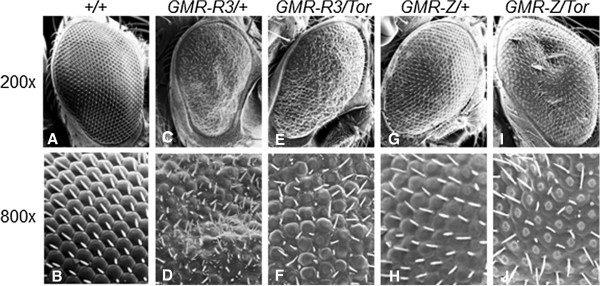
Through a genetic screen in Drosophila, we determined that reduction of Drosophila Tor activity altered EBV immediate-early protein function. To further investigate this finding, we inhibited mTOR in EBV-positive cells and investigated subsequent changes to lytic replication via Western blotting, flow cytometry, and quantitative PCR. The student T-test was used to evaluate significance.
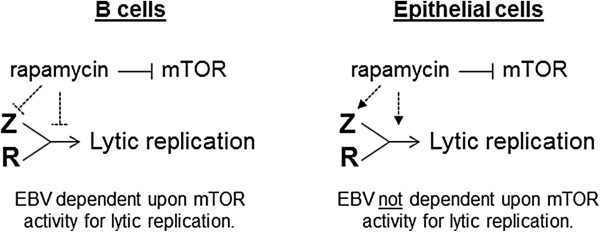
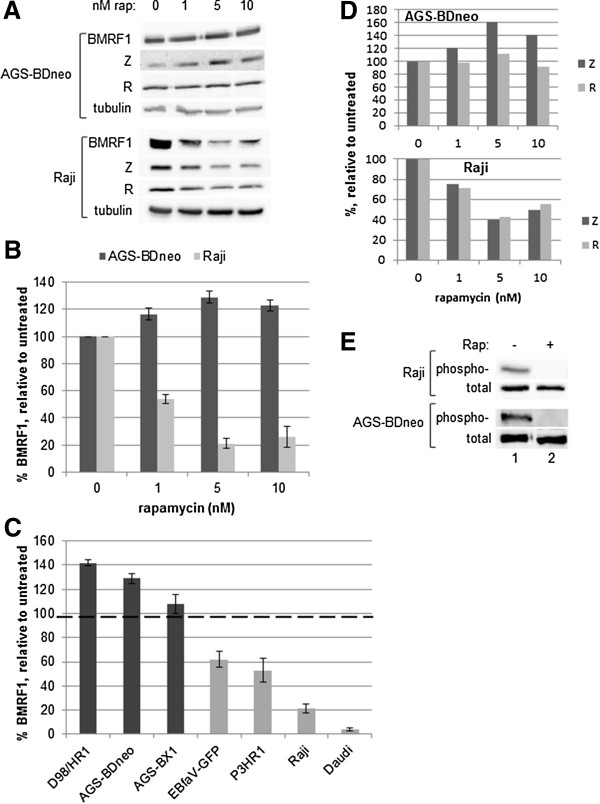
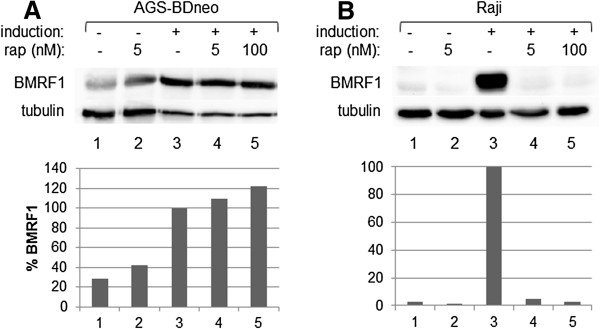
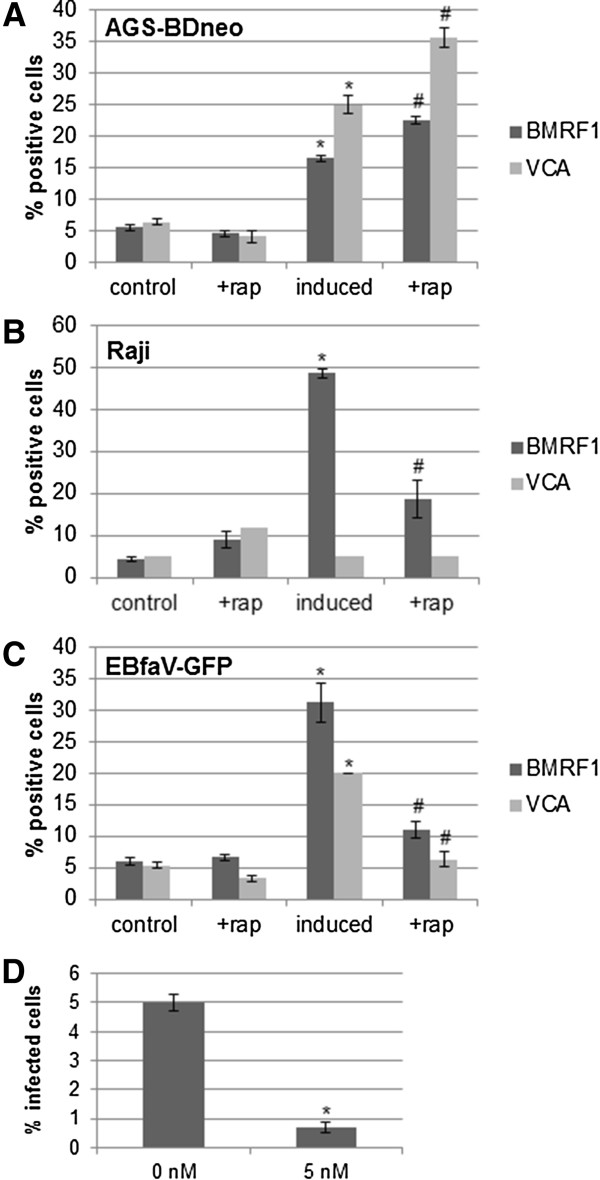
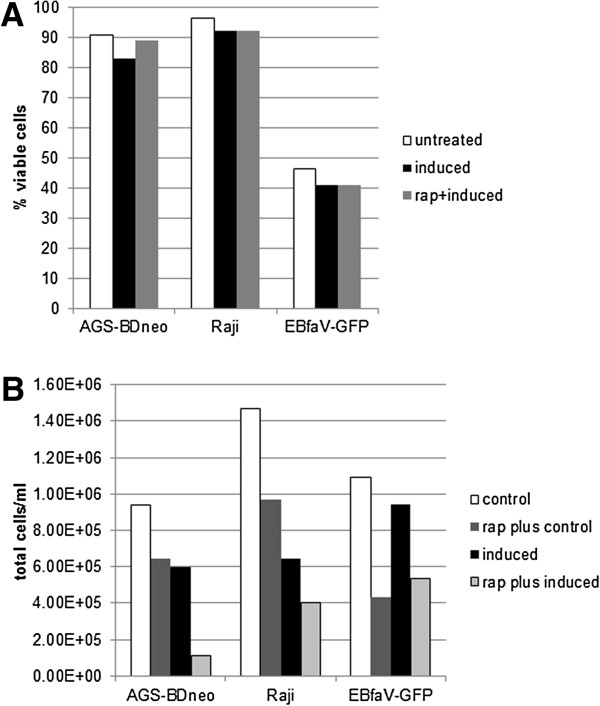
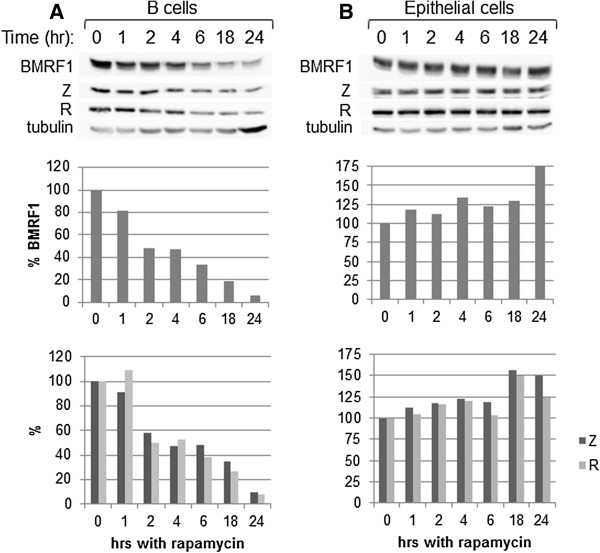
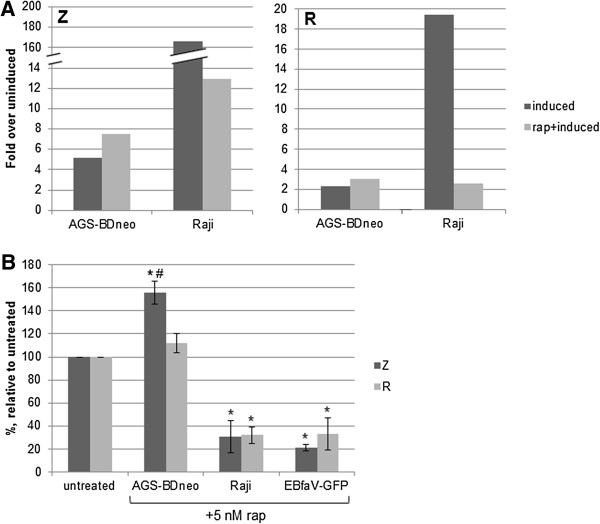
mTOR, the human homolog of Drosophila Tor, is an important protein at the center of a major signaling pathway that controls many aspects of cell biology. As the EBV immediate-early genes are responsible for EBV lytic replication, we examined the effect of inhibition of mTORC1 on EBV lytic replication in human EBV-positive cell lines. We determined that treatment of cells with rapamycin, which is an inhibitor of mTORC1 activity, led to a reduction in the ability of B cell lines to undergo lytic replication. In contrast, EBV-positive epithelial cell lines underwent higher levels of lytic replication when treated with rapamycin.
Overall, the responses of EBV-positive cell lines vary when treated with mTOR inhibitors, and this may be important when considering such inhibitors as anti-cancer therapeutic agents.
Epstein-Barr 病毒是一种感染大多数人类的人类疱疹病毒。Epstein-Barr 病毒(EBV)的原发性感染会导致传染性单核细胞增多症综合征。这种病毒还与几种癌症有关,包括 Burkitt 淋巴瘤、移植后淋巴组织增生性疾病和鼻咽癌。与所有疱疹病毒家族成员一样,EBV 最初通过裂解方式复制,产生大量病毒颗粒,然后进入潜伏状态,在宿主体内无限期存在。
通过在果蝇中的基因筛选,我们确定减少果蝇 Tor 活性会改变 EBV 早期蛋白的功能。为了进一步研究这一发现,我们在 EBV 阳性细胞中抑制 mTOR,并通过 Western blot、流式细胞术和定量 PCR 研究随后对裂解复制的变化。学生 t 检验用于评估显著性。
mTOR 是果蝇 Tor 的人类同源物,是控制细胞生物学许多方面的重要信号通路的中心蛋白。由于 EBV 早期基因负责 EBV 的裂解复制,我们研究了抑制 mTORC1 对人 EBV 阳性细胞系中 EBV 裂解复制的影响。我们发现,用 rapamycin(一种 mTORC1 活性抑制剂)处理细胞会导致 B 细胞系裂解复制能力降低。相比之下,当用 rapamycin 处理时,EBV 阳性上皮细胞系会经历更高水平的裂解复制。
总的来说,当用 mTOR 抑制剂处理 EBV 阳性细胞系时,它们的反应不同,这在考虑将此类抑制剂作为抗癌治疗药物时可能很重要。