Yen Michael, Ausayakhun Somsanguan, Chen Jenny, Ausayakhun Sakarin, Jirawison Choeng, Heiden David, Holland Gary N, Margolis Todd P, Keenan Jeremy D
Francis I. Proctor Foundation, University of California, San Francisco2medical student, Icahn School of Medicine at Mount Sinai, New York, New York.
Department of Ophthalmology, Faculty of Medicine, Chiang Mai University, Chiang Mai, Thailand.
JAMA Ophthalmol. 2014 Sep;132(9):1052-8. doi: 10.1001/jamaophthalmol.2014.1108.
Cytomegalovirus (CMV) retinitis continues to be a leading cause of blindness in many developing countries. Telemedicine holds the potential to increase the number of people screened for CMV retinitis, but it is unclear whether nonophthalmologists could be responsible for interpreting fundus photographs captured in a telemedicine program.
To determine the accuracy of nonophthalmologist photographic graders in diagnosing CMV retinitis from digital fundus photographs.
DESIGN, SETTING, AND PARTICIPANTS: Fifteen nonexpert graders each evaluated 182 mosaic retinal images taken from the eyes of patients with AIDS who were evaluated at the Ocular Infectious Diseases Clinic at Chiang Mai University in Chiang Mai, Thailand.
Graders diagnosed each image as CMV retinitis present, CMV retinitis absent, or unknown. The results from each grader were compared with those of an indirect ophthalmoscopic examination from an experienced on-site ophthalmologist as well as with the consensus grade given by a panel of CMV retinitis experts.
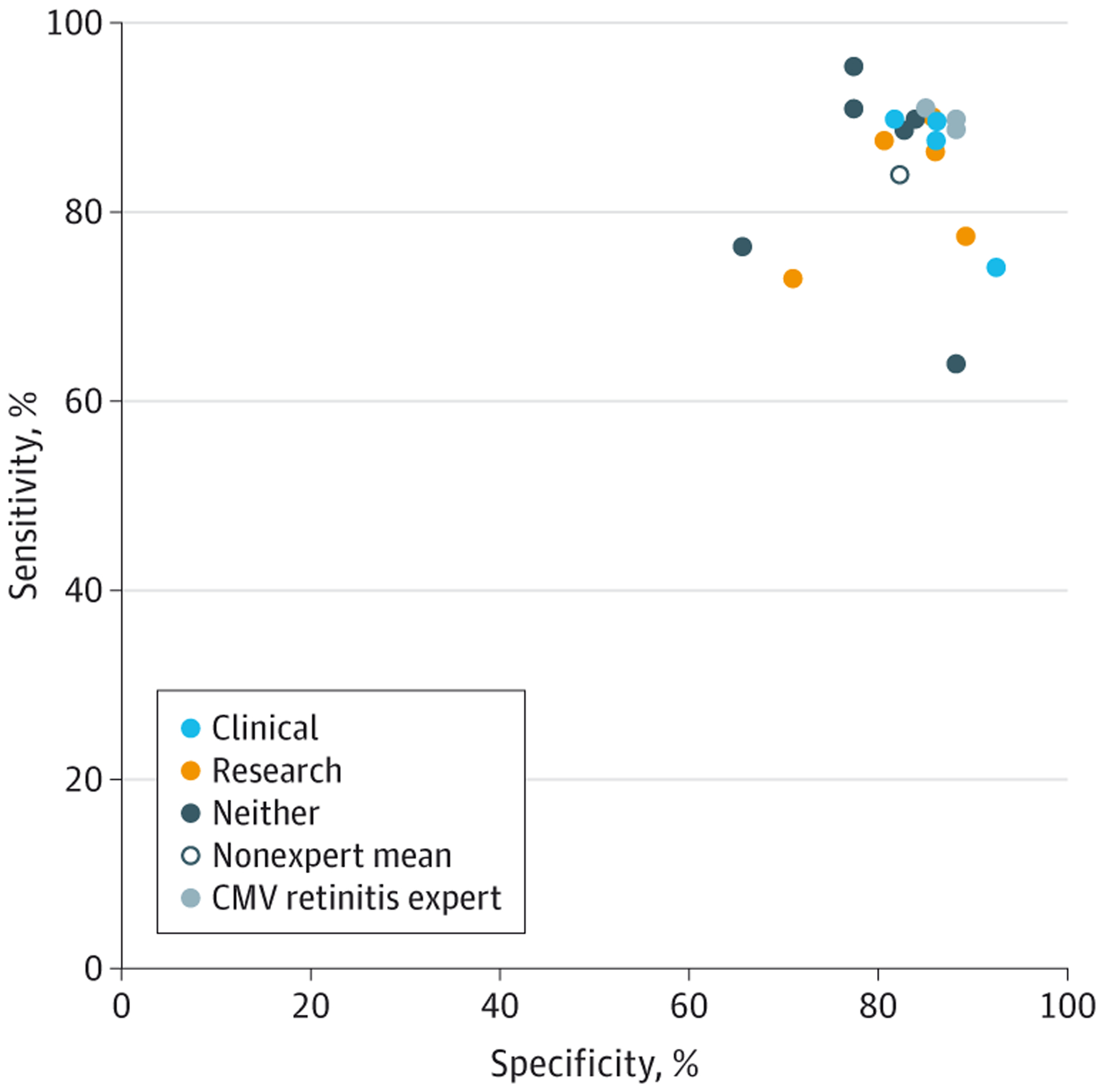
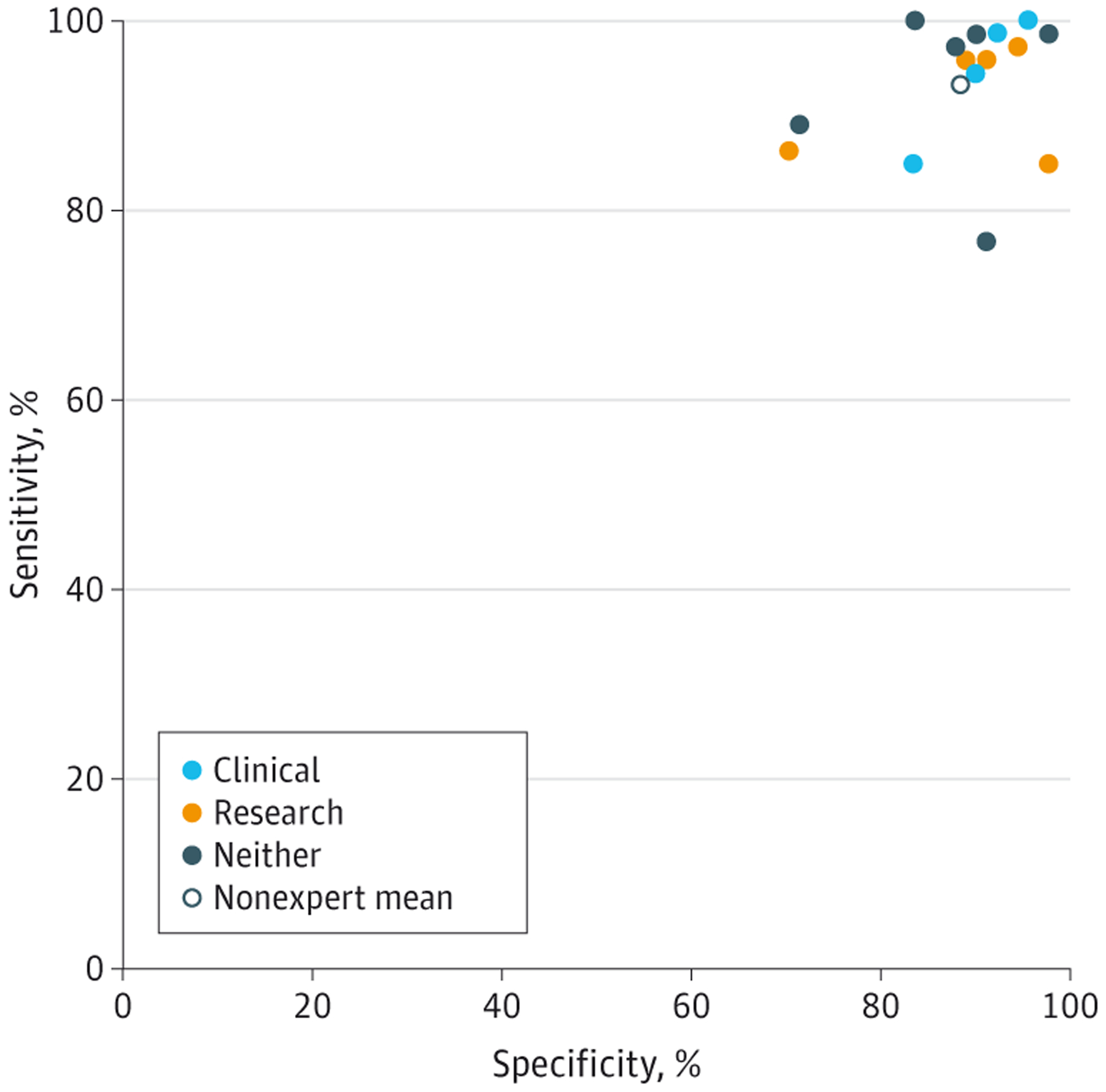
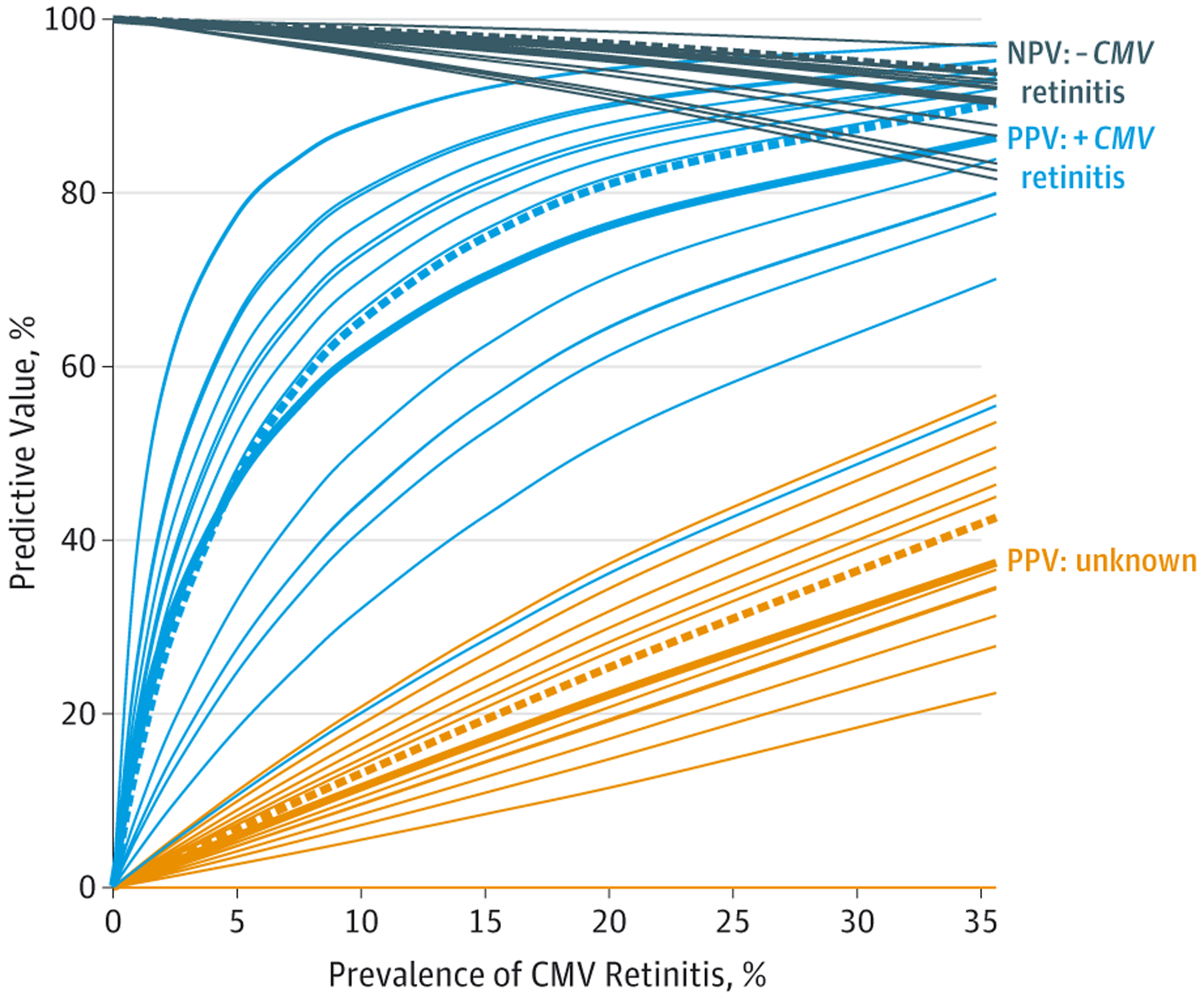
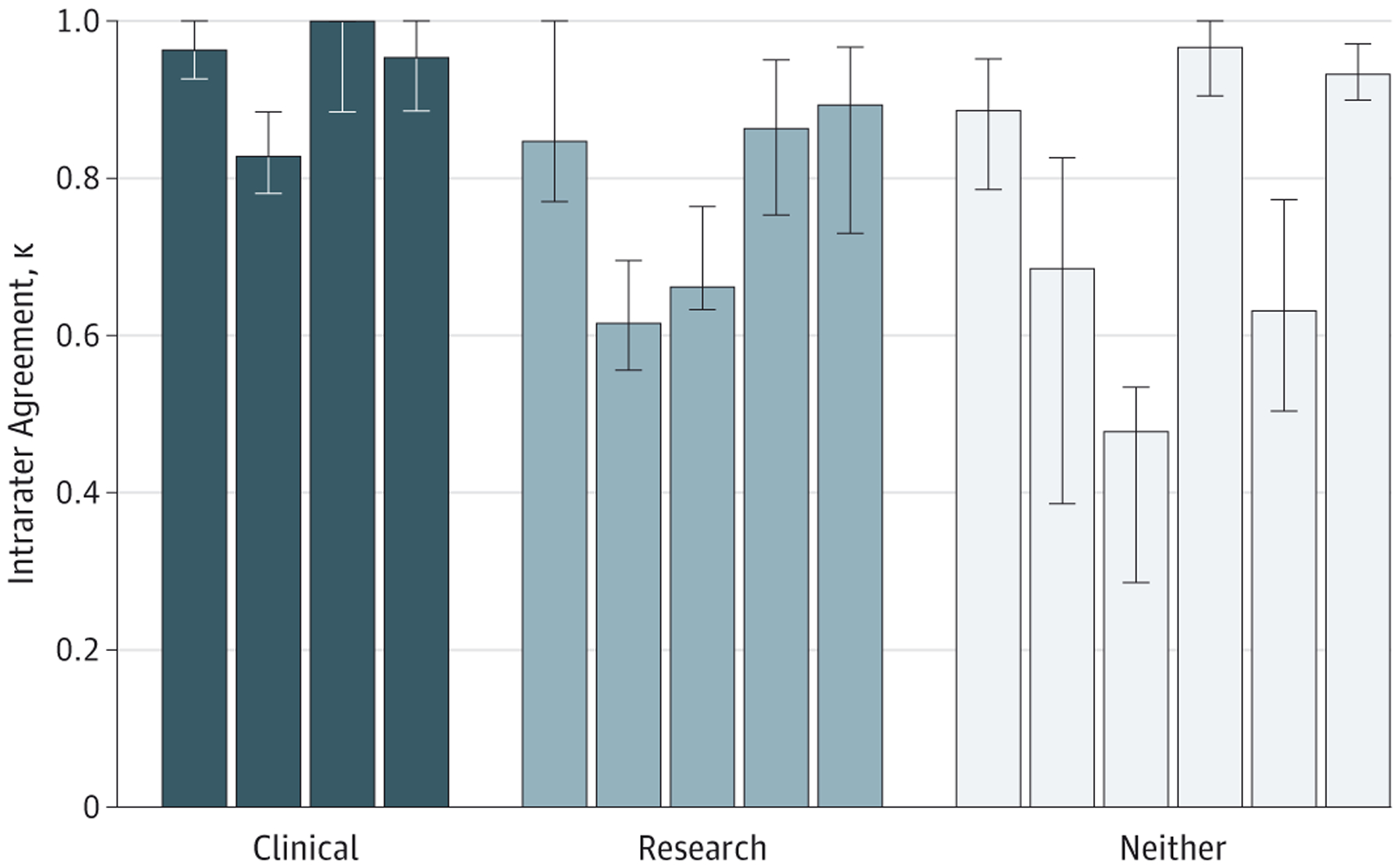
Relative to the on-site ophthalmologist, the sensitivity of remote CMV retinitis diagnosis by nonexpert graders ranged from 64.0% to 95.5% (mean, 84.1%; 95% CI, 78.6%-89.6%)), and the specificity ranged from 65.6% to 92.5% (mean, 82.3%; 95% CI, 76.6%-88.0%)). Agreement between nonexpert and expert graders was high: the mean sensitivity and specificity values of nonexpert diagnosis using expert consensus as the reference standard were 93.2% (95% CI, 90.6%-95.8%) and 88.4% (95% CI, 85.4%-91.1%), respectively. Mean intrarater reliability also was high (mean Cohen κ, 0.83; 95% CI, 0.78-0.87).
The sensitivity and specificity of remote diagnosis of CMV retinitis by nonexpert graders was variable, although several nonexperts achieved a level of accuracy comparable to that of CMV retinitis experts. More intensive training and periodic evaluations would be required if nonexperts are to be used in clinical practice.
在许多发展中国家,巨细胞病毒(CMV)视网膜炎仍是失明的主要原因。远程医疗有可能增加接受CMV视网膜炎筛查的人数,但非眼科医生是否能够负责解读远程医疗项目中拍摄的眼底照片尚不清楚。
确定非眼科医生照片分级人员根据数字眼底照片诊断CMV视网膜炎的准确性。
设计、地点和参与者:15名非专业分级人员各自评估了182张从泰国清迈清迈大学眼科传染病诊所接受评估的艾滋病患者眼部拍摄的镶嵌视网膜图像。
分级人员将每张图像诊断为存在CMV视网膜炎、不存在CMV视网膜炎或情况不明。将每位分级人员的结果与经验丰富的现场眼科医生的间接检眼镜检查结果以及CMV视网膜炎专家小组给出的一致分级进行比较。
相对于现场眼科医生,非专业分级人员对远程CMV视网膜炎诊断的敏感性范围为64.0%至95.5%(平均84.1%;95%置信区间,78.6%-89.6%),特异性范围为65.6%至92.5%(平均82.3%;95%置信区间,76.6%-88.0%)。非专业分级人员与专家分级人员之间的一致性很高:以专家共识为参考标准的非专业诊断的平均敏感性和特异性值分别为93.2%(95%置信区间,90.6%-95.8%)和88.4%(95%置信区间,85.4%-91.1%)。平均评分者内信度也很高(平均Cohen κ系数,0.83;95%置信区间,0.78-0.87)。
非专业分级人员对CMV视网膜炎进行远程诊断的敏感性和特异性各不相同,不过有几位非专业人员达到了与CMV视网膜炎专家相当的准确性水平。如果要在临床实践中使用非专业人员,则需要更强化的培训和定期评估。