Department of Psychology, Georgia State University Atlanta, GA, USA.
Front Hum Neurosci. 2014 Jun 18;8:437. doi: 10.3389/fnhum.2014.00437. eCollection 2014.
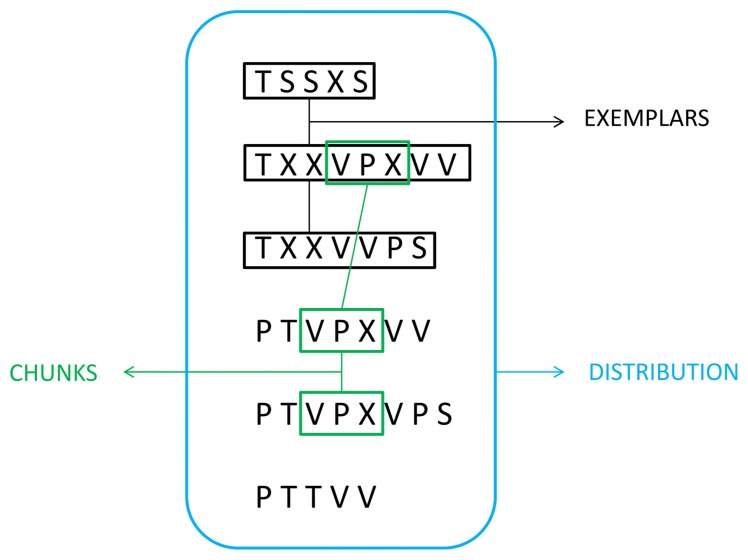
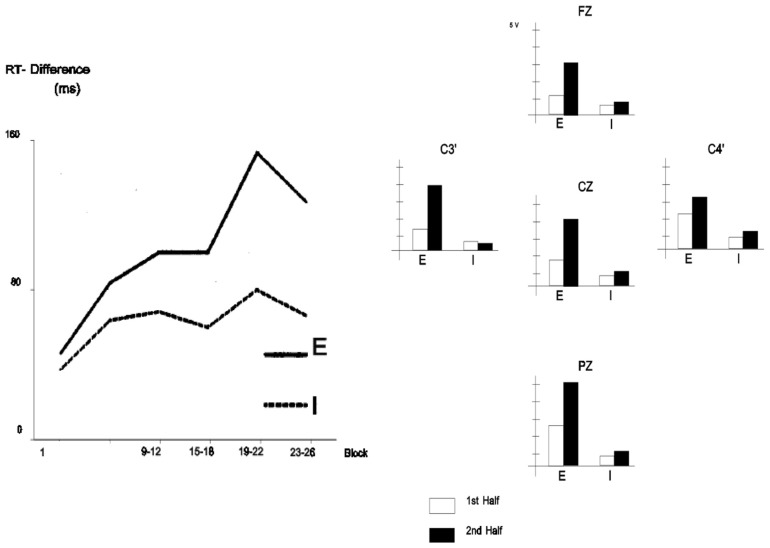
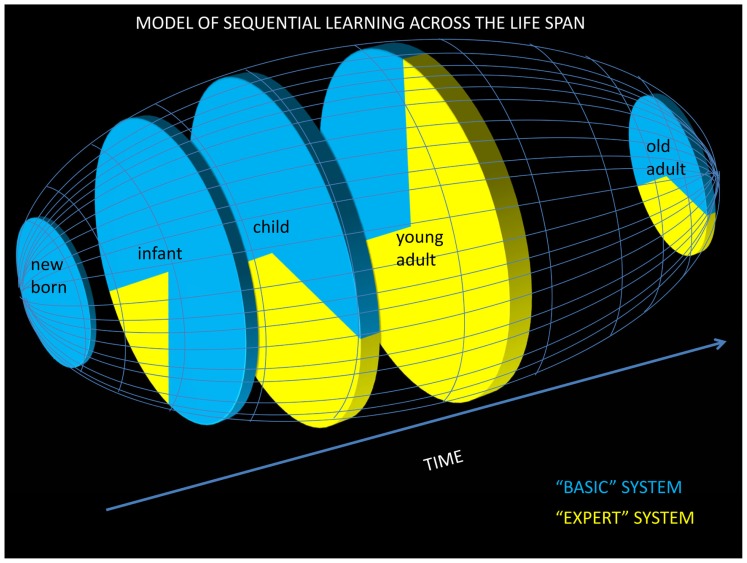
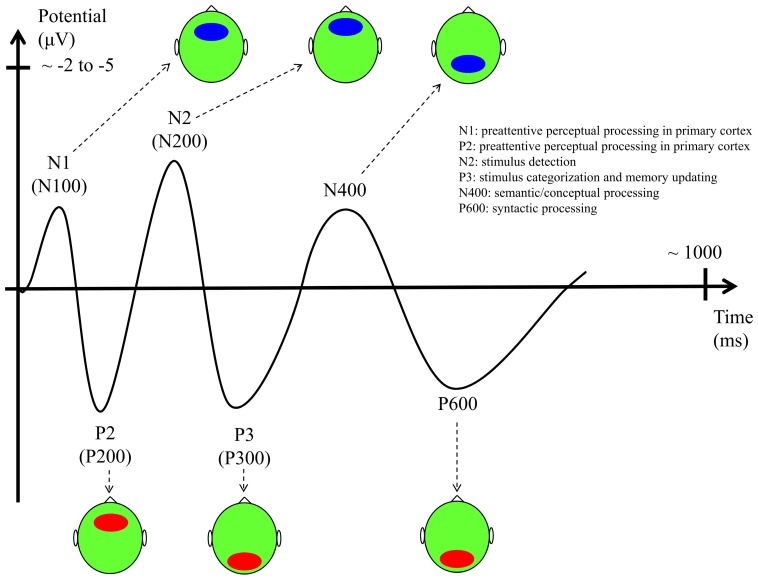
Statistical-sequential learning (SL) is the ability to process patterns of environmental stimuli, such as spoken language, music, or one's motor actions, that unfold in time. The underlying neurocognitive mechanisms of SL and the associated cognitive representations are still not well understood as reflected by the heterogeneity of the reviewed cognitive models. The purpose of this review is: (1) to provide a general overview of the primary models and theories of SL, (2) to describe the empirical research - with a focus on the event-related potential (ERP) literature - in support of these models while also highlighting the current limitations of this research, and (3) to present a set of new lines of ERP research to overcome these limitations. The review is articulated around three descriptive dimensions in relation to SL: the level of abstractness of the representations learned through SL, the effect of the level of attention and consciousness on SL, and the developmental trajectory of SL across the life-span. We conclude with a new tentative model that takes into account these three dimensions and also point to several promising new lines of SL research.
统计序列学习 (SL) 是指处理环境刺激模式的能力,例如口语、音乐或自身运动动作,这些模式随时间展开。SL 的潜在神经认知机制和相关认知表示形式仍未得到很好的理解,这反映在已审查的认知模型的异质性上。本综述的目的是:(1) 提供 SL 的主要模型和理论的概述,(2) 描述支持这些模型的实证研究——重点是事件相关电位 (ERP) 文献——同时也突出了该研究的当前局限性,以及 (3) 提出一系列新的 ERP 研究来克服这些局限性。本综述围绕与 SL 相关的三个描述性维度展开:通过 SL 学习的表示的抽象程度、注意力和意识水平对 SL 的影响,以及 SL 在整个生命周期中的发展轨迹。我们以一个新的试探性模型结束,该模型考虑了这三个维度,并指出了几个有前途的 SL 研究新方向。