Adedeji Adeyemi O, Sarafianos Stefan G
Veterinary Medical Teaching Hospital, School of Veterinary Medicine, University of California, Davis, CA 95616, United States.
Christopher Bond Life Sciences Center, University of Missouri, Columbia, MO 65211, United States; Department of Molecular Microbiology & Immunology, University of Missouri School of Medicine, Columbia, MO 65211, United States; Department of Biochemistry, University of Missouri, Columbia, MO 65211, United States.
Curr Opin Virol. 2014 Oct;8:45-53. doi: 10.1016/j.coviro.2014.06.002. Epub 2014 Jul 2.
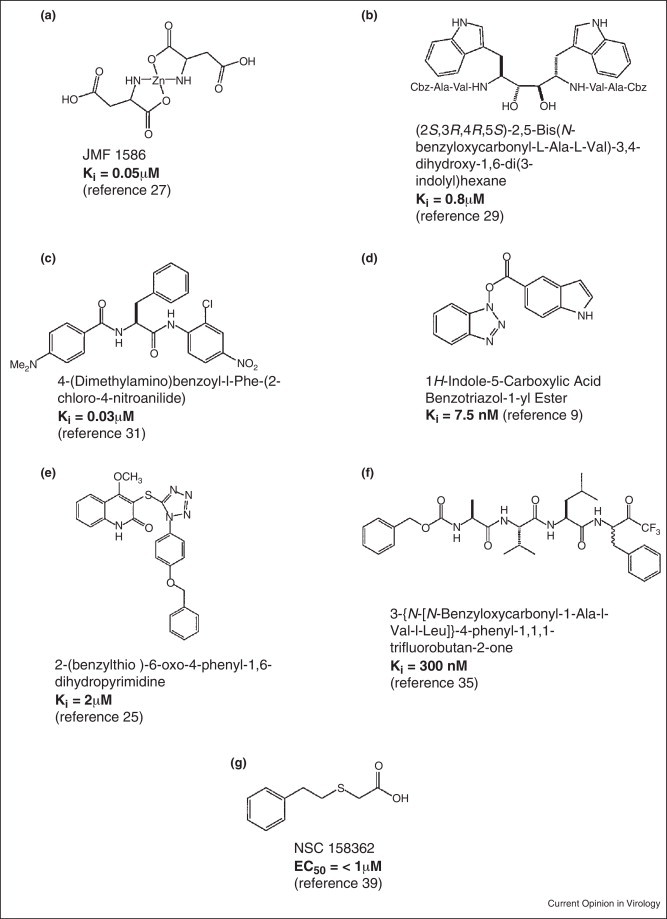
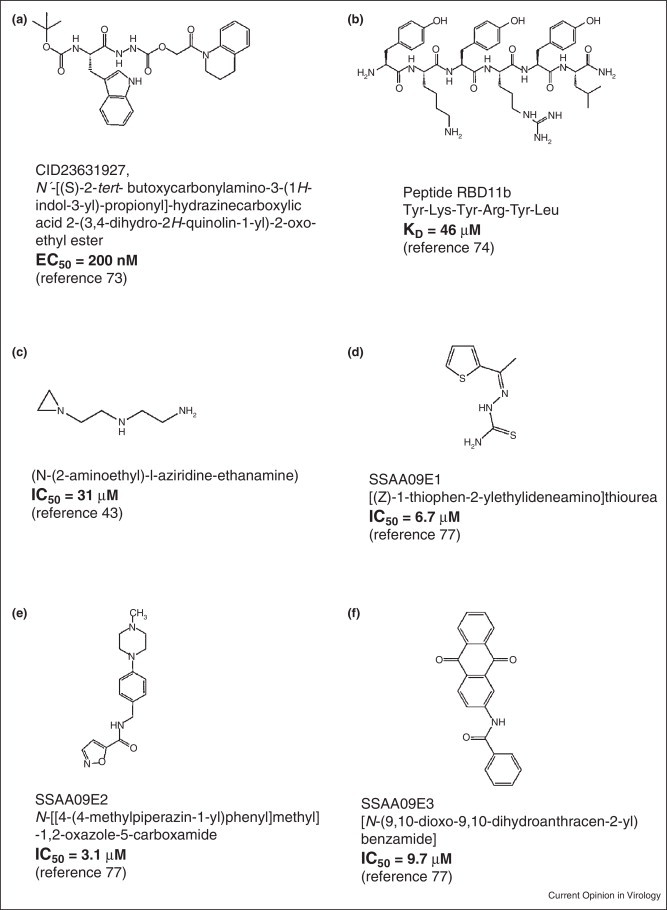
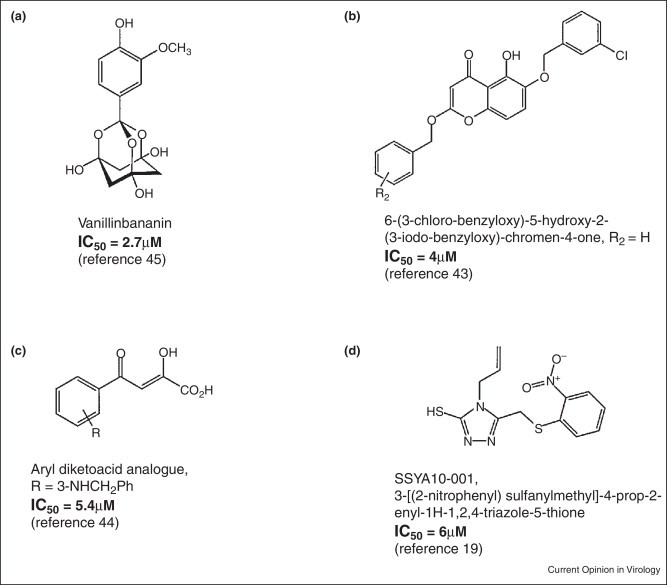
Coronaviruses are positive stranded RNA viruses that cause respiratory, enteric and central nervous system diseases in many species, including humans. Until recently, the relatively low burden of disease in humans caused by few of these viruses impeded the development of coronavirus specific therapeutics. However, the emergence of severe acute respiratory syndrome coronavirus (SARS-CoV), and more recently, Middle East respiratory syndrome coronavirus (MERS-CoV), has impelled the development of such drugs. This review focuses on some newly identified SARS-CoV inhibitors, with known mechanisms of action and their potential to inhibit the novel MERS-CoV. The clinical development of optimized versions of such compounds could be beneficial for the treatment and control of SARS-CoV, the current MERS-CoV and other future SARS-like epidemics.
冠状病毒是正链RNA病毒,可在包括人类在内的许多物种中引起呼吸道、肠道和中枢神经系统疾病。直到最近,这些病毒中少数几种在人类中引起的疾病负担相对较低,阻碍了冠状病毒特异性疗法的开发。然而,严重急性呼吸综合征冠状病毒(SARS-CoV)的出现,以及最近中东呼吸综合征冠状病毒(MERS-CoV)的出现,推动了此类药物的开发。本综述重点关注一些新发现的SARS-CoV抑制剂,其作用机制已知,以及它们抑制新型MERS-CoV的潜力。此类化合物优化版本的临床开发可能有利于治疗和控制SARS-CoV、当前的MERS-CoV以及未来其他类似SARS的疫情。