Efanov A, Zanesi N, Coppola V, Nuovo G, Bolon B, Wernicle-Jameson D, Lagana A, Hansjuerg A, Pichiorri F, Croce C M
Division of Hematology, College of Medicine, Comprehensive Cancer Center, The Ohio State University, Columbus, OH, USA.
Department of Molecular Virology, Immunology and Medical Genetics, Human Cancer Genetics Program, Comprehensive Cancer Center, OSU School of Medicine, The Ohio State University, Columbus, OH, USA.
Blood Cancer J. 2014 Jul 11;4(7):e227. doi: 10.1038/bcj.2014.46.
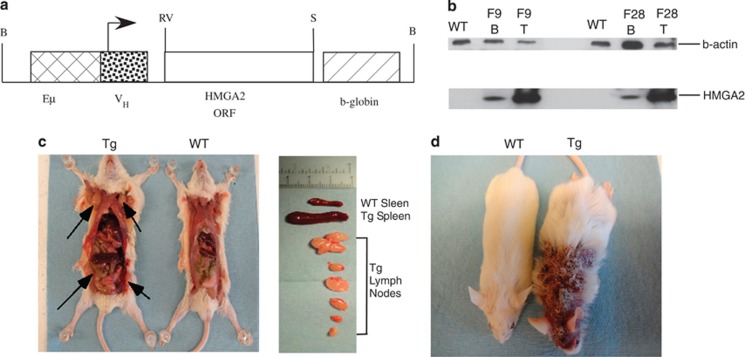
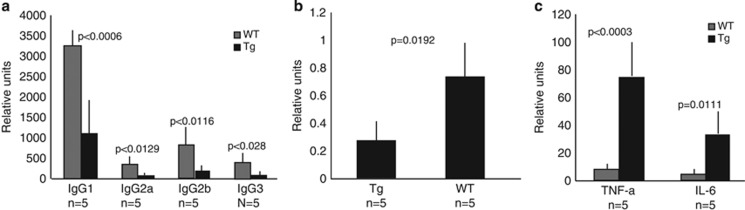
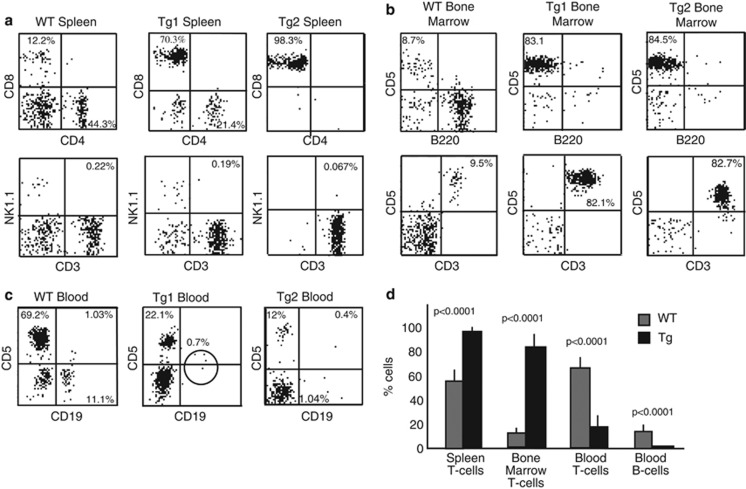
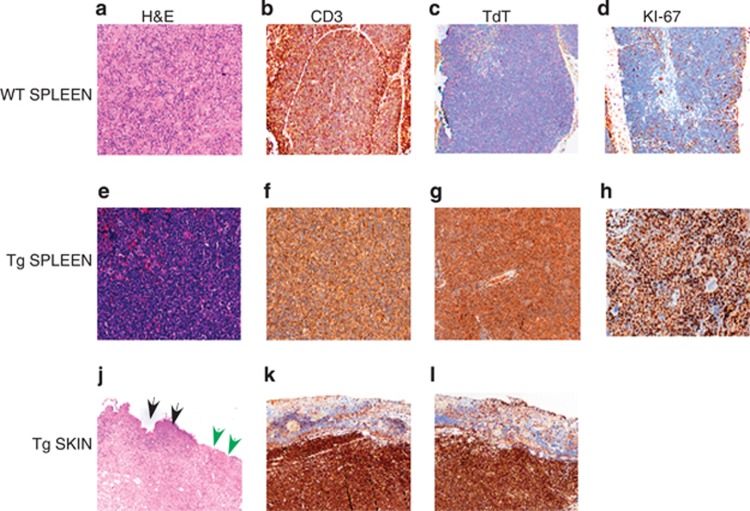
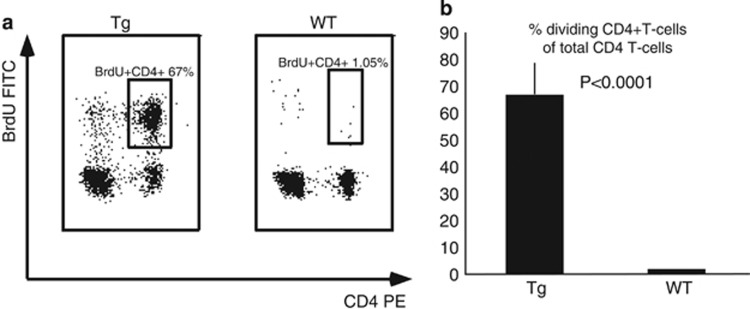
T-cell acute lymphoblastic leukemia (T-ALL) is a neoplasia of thymocytes characterized by the rapid accumulation of the precursors of T lymphocytes. HMGA2 (high-mobility group AT-hook 2) gene expression is extremely low in normal adult tissues, but it is overexpressed in many tumors. To identify the biological function of HMGA2, we generated transgenic mice carrying the human HMGA2 gene under control of the VH promoter/Eμ enhancer. Approximately 90% of Eμ-HMGA2 transgenic mice became visibly sick between 4 and 8 months due to the onset and progression of a T-ALL-like disease. Characteristic features included severe alopecia (30% of mice); enlarged lymph nodes and spleen; and profound immunological abnormalities (altered cytokine levels, hypoimmunoglobulinemia) leading to reduced immune responsiveness. Immunophenotyping showed accumulation of CD5+CD4+, CD5+CD8+ or CD5+CD8+CD4+ T-cell populations in the spleens and bone marrow of sick animals. These findings show that HMGA2-driven leukemia in mice closely resembles spontaneous human T-ALL, indicating that HMGA2 transgenic mice should serve as an important model for investigating basic mechanisms and potential new therapies of relevance to human T-ALL.
T细胞急性淋巴细胞白血病(T-ALL)是一种胸腺细胞的肿瘤形成,其特征是T淋巴细胞前体的快速积累。HMGA2(高迁移率族AT钩蛋白2)基因在正常成人组织中的表达极低,但在许多肿瘤中过度表达。为了确定HMGA2的生物学功能,我们构建了在VH启动子/Eμ增强子控制下携带人类HMGA2基因的转基因小鼠。约90%的Eμ-HMGA2转基因小鼠在4至8个月间因类似T-ALL疾病的发作和进展而明显患病。特征包括严重脱发(30%的小鼠);淋巴结和脾脏肿大;以及导致免疫反应性降低的严重免疫异常(细胞因子水平改变、低免疫球蛋白血症)。免疫表型分析显示患病动物的脾脏和骨髓中CD5+CD4+、CD5+CD8+或CD5+CD8+CD4+ T细胞群体积累。这些发现表明,小鼠中HMGA2驱动的白血病与人类自发性T-ALL非常相似,这表明HMGA2转基因小鼠应作为研究与人类T-ALL相关的基本机制和潜在新疗法的重要模型。